Menopause and Perimenopause: When to Seek Gynaecology Care in Seremban

Menopause and Perimenopause: When to Seek Gynaecology Care in Seremban

Perimenopause is the transition leading to menopause, when ovarian hormone production fluctuates and periods may become irregular. Menopause is reached after 12 consecutive months without a menstrual period when no other cause explains the change. Symptoms vary widely and can affect sleep, concentration, mood, sexual comfort and daily function.

If symptoms are troublesome or bleeding is unusual, a gynaecologist in Seremban can help assess other possible causes and discuss treatment based on your medical history and preferences.

Key takeaways

What to knowWhy it matters
Perimenopause can begin before periods stopCycle changes, hot flushes and sleep or mood symptoms may occur for months or years before menopause.
Postmenopausal bleeding is not normalAny bleeding after 12 months without a period should be medically assessed.
Treatment is personalisedLifestyle measures, non-hormonal treatments and menopausal hormone therapy have different benefits and risks.
Menopause consultation with a gynaecologist in Seremban
Menopause care should consider symptoms, medical history, personal preferences and long-term health.

Common menopause and perimenopause symptoms

  • Hot flushes and night sweats
  • Irregular, heavier or lighter periods during the transition
  • Difficulty sleeping and daytime fatigue
  • Mood changes, anxiety or reduced concentration
  • Vaginal dryness, discomfort during sex or urinary symptoms
  • Headaches, joint aches or palpitations
  • Changes in sexual desire

Not every midlife symptom is caused by menopause. Thyroid conditions, anaemia, sleep disorders, depression, medicine effects and other illnesses can overlap. Clinical history helps determine whether additional tests are needed.

When should you see a gynaecologist?

Arrange an appointment when symptoms disrupt sleep, work, relationships or emotional wellbeing; when vaginal or urinary symptoms are persistent; or when you want to discuss treatment choices. Earlier review is also appropriate for symptoms before age 45, especially if periods stop early.

Bleeding after sex, very heavy bleeding, prolonged bleeding or any bleeding after menopause needs assessment. Possible evaluation includes examination, cervical screening status review, blood tests, pelvic ultrasound or sampling of the uterine lining depending on age, symptoms and risk.

Gynaecology consultation in Seremban about irregular periods
A menstrual record can help a gynaecologist understand changes in cycle timing and bleeding.

What treatment options are available?

Practical measures include keeping the bedroom cool, regular physical activity, reducing personal hot-flush triggers, sleep routines and pelvic-floor or vaginal moisturiser strategies where appropriate. Cognitive behavioural approaches may help some symptoms.

Menopausal hormone therapy can be effective for hot flushes and certain genitourinary symptoms, but the type and route depend on whether you have a uterus and your medical history. It may not be suitable for everyone. Non-hormonal medicines and local vaginal treatments are alternatives in selected situations. Discuss benefits, risks and follow-up rather than using another person’s regimen.

Long-term health after menopause

Falling oestrogen levels are associated with bone loss, and cardiovascular risk rises with age. Review blood pressure, cholesterol, diabetes risk, smoking, physical activity, nutrition and bone-health risk factors. Screening recommendations should be tailored to age and history.

CMH’s obstetrics and gynaecology service lists menopause care among its clinical services. A consultation can coordinate symptom treatment with broader preventive health needs.

Pelvic ultrasound during a gynaecology assessment in Seremban
Pelvic ultrasound may help assess the uterus and ovaries when clinically appropriate.

When symptoms need urgent care

Seek urgent assessment for very heavy bleeding with fainting or breathlessness, sudden severe pelvic pain, chest pain, stroke-like symptoms or severe mental-health distress. These should not be assumed to be menopause.

How to prepare for your consultation

  • Record period dates, bleeding changes and symptom frequency
  • List previous operations, blood clots, cancers, migraines and liver conditions
  • Bring a complete medicine and supplement list
  • Note family history of breast, ovarian or uterine cancer and osteoporosis
  • Write down your priorities, such as sleep, hot flushes, sexual comfort or bone health

Frequently asked questions

Do I need a hormone test to diagnose menopause?

For many people over 45 with typical symptoms, diagnosis is based mainly on history. Hormone testing may be considered when age, symptoms or medical circumstances make the diagnosis uncertain.

Can pregnancy occur during perimenopause?

Yes. Ovulation can still occur while cycles are irregular. Discuss contraception and when it can be stopped with a healthcare professional.

Is bleeding after menopause ever normal?

It should always be assessed, even if it happens only once or is light spotting. Many causes are benign, but evaluation is important.

Medical references

This article is for general education. A clinician should assess unusual bleeding and advise on individual treatment risks and benefits.

Uterine Fibroids in Seremban: Symptoms, Diagnosis and Treatment Options

Uterine Fibroids in Seremban: Symptoms, Diagnosis and Treatment Options

Uterine fibroids are non-cancerous growths that develop from muscle and connective tissue in or around the uterus. Some are very small and cause no problems. Others can contribute to heavy periods, pelvic pressure, urinary frequency, constipation, pain or fertility concerns. Symptoms—not size alone—help guide management.

A consultation with a gynaecologist in Seremban can clarify whether fibroids are likely to explain your symptoms and which treatment options fit your age, health and pregnancy plans.

Key takeaways

What to knowWhy it matters
Fibroids are usually benignThey are not uterine cancer, and many people need only monitoring.
Location mattersFibroids within the uterine cavity may affect bleeding or fertility differently from those in the muscle wall or outer surface.
Treatment is individualOptions range from observation and medicine to procedures or surgery, depending on symptoms and goals.
Pelvic ultrasound during a gynaecology assessment in Seremban
Pelvic ultrasound may help assess the uterus and ovaries when clinically appropriate.

Possible symptoms of fibroids

  • Heavy or prolonged menstrual bleeding
  • Pelvic pressure, fullness or pain
  • Frequent urination or difficulty emptying the bladder
  • Constipation or pressure on the rectum
  • Abdominal enlargement
  • Pain during sex
  • Anaemia-related fatigue, dizziness or breathlessness
  • Fertility or pregnancy concerns in some cases

These symptoms overlap with adenomyosis, endometriosis, ovarian conditions and other causes of abnormal bleeding or pelvic pain. An examination and appropriate testing help avoid assuming that every symptom is caused by a known fibroid.

How are fibroids diagnosed?

Assessment begins with menstrual and symptom history and may include pelvic examination. Ultrasound is commonly used to assess the uterus, fibroid number, size and location. In selected cases, saline ultrasound, hysteroscopy or MRI may provide more detail. A full blood count can check for anaemia when bleeding is heavy.

If you have older ultrasound reports, bring them. Comparison over time can help distinguish stable fibroids from growth that needs further evaluation.

Gynaecology consultation in Seremban about irregular periods
A menstrual record can help a gynaecologist understand changes in cycle timing and bleeding.

When is treatment needed?

Fibroids without symptoms may only need observation. Treatment is more likely when bleeding causes anaemia, pain or pressure affects daily life, urinary or bowel symptoms are significant, or fibroids may be affecting fertility. The approach should consider how close you are to menopause and whether you wish to preserve the uterus or future pregnancy potential.

Treatment options to discuss

Medicines can reduce bleeding or pain, although they do not suit everyone and may not remove the fibroid. Hormonal treatments, tranexamic acid and anti-inflammatory medicines are among the options a clinician may discuss based on your medical history.

Procedural and surgical options include hysteroscopic removal for selected cavity fibroids, myomectomy, uterine artery embolisation and hysterectomy. Availability and suitability depend on fibroid features, symptoms, fertility goals and other health considerations. Each option has benefits, limitations and recovery implications.

Menopause consultation with a gynaecologist in Seremban
Menopause care should consider symptoms, medical history, personal preferences and long-term health.

When bleeding or pain is urgent

Seek urgent care for very heavy bleeding with fainting, marked dizziness, breathlessness or chest discomfort. Sudden severe pelvic pain, fever, vomiting or pain with possible pregnancy also requires prompt assessment.

Questions to ask at your appointment

  • How many fibroids are present and where are they located?
  • Could another condition be contributing to my symptoms?
  • Do I have anaemia, and should iron be checked?
  • Which options preserve fertility or the uterus?
  • What are the likely benefits, risks and recovery time?
  • What follow-up is needed if I choose observation?

Frequently asked questions

Can fibroids become cancer?

Typical fibroids are benign. A rare cancer called leiomyosarcoma can arise in the uterus, but it is not considered the usual transformation of a fibroid. New or concerning findings need specialist evaluation.

Do fibroids shrink after menopause?

Many shrink as hormone levels fall, but not all symptoms should be attributed to fibroids. New bleeding after menopause always requires assessment.

Can I become pregnant with fibroids?

Many people do. The effect depends on size and location. A fertility-focused assessment is helpful when conception is difficult or a fibroid distorts the uterine cavity.

Medical references

This article is general education. Treatment choice requires an individual examination and review of imaging, symptoms and reproductive goals.

Irregular Periods in Seremban: When to See a Gynaecologist

Irregular Periods in Seremban: When to See a Gynaecologist

A menstrual cycle can vary occasionally, especially during puberty, after pregnancy or while approaching menopause. However, a clear change from your usual pattern, very heavy bleeding, bleeding between periods or long gaps without menstruation can indicate a condition that deserves assessment.

A gynaecologist in Seremban can review cycle history, pregnancy possibility, medicines, hormonal symptoms and other health factors before deciding which tests are appropriate.

Key takeaways

What to knowWhy it matters
Irregular means different from your normal patternUseful details include cycle interval, duration, flow, pain and bleeding between periods or after sex.
Pregnancy should be consideredA missed or unusual period may need a pregnancy test, including when contraception is used.
Heavy bleeding can cause anaemiaFatigue, breathlessness, dizziness or paleness alongside heavy periods should prompt medical review.
Gynaecology consultation in Seremban about irregular periods
A menstrual record can help a gynaecologist understand changes in cycle timing and bleeding.

What counts as an irregular period?

Irregularity may involve periods arriving much earlier or later than expected, cycles that vary widely, bleeding that lasts longer than usual, skipped periods or unexpected spotting. A single variation may follow stress or illness; repeated change is more informative.

Track the first day of each period, bleeding duration, flow, clots, pain and any bleeding between periods. Also record new medicines, weight change, acne, excess facial hair, hot flushes or pregnancy symptoms.

Common reasons cycles change

  • Pregnancy and pregnancy-related conditions
  • Stress, significant weight change or intensive exercise
  • Polycystic ovary syndrome (PCOS)
  • Thyroid or prolactin disorders
  • Hormonal contraception or other medicines
  • Perimenopause
  • Fibroids, polyps, infection or other uterine and cervical conditions

Age and life stage matter. Irregularity soon after periods begin can differ from new bleeding changes in the forties. Bleeding after menopause always requires medical assessment.

Pelvic ultrasound during a gynaecology assessment in Seremban
Pelvic ultrasound may help assess the uterus and ovaries when clinically appropriate.

When should you arrange an appointment?

Book a medical review if irregularity persists, periods stop for several months without an expected reason, bleeding occurs between periods or after sex, or flow becomes significantly heavier or more painful. You should also seek advice if cycle changes occur with difficulty becoming pregnant, symptoms of anaemia or signs of hormonal imbalance.

During assessment, a doctor may ask about pregnancy possibility, contraception, medicines, weight change, stress and family history. Tests can include a pregnancy test, full blood count, thyroid or other hormone tests and cervical assessment. Pelvic ultrasound may be considered when structural causes such as fibroids or ovarian cysts are possible.

When bleeding is urgent

Seek urgent care for very heavy bleeding that soaks through pads or tampons rapidly, especially with dizziness, fainting, breathlessness, chest discomfort, severe abdominal pain or possible pregnancy. Sudden severe pain with bleeding in early pregnancy can be an emergency.

Go to an emergency department or contact local emergency services if symptoms are severe. Do not delay because the bleeding temporarily slows if you feel faint or unwell.

Menopause consultation with a gynaecologist in Seremban
Menopause care should consider symptoms, medical history, personal preferences and long-term health.

Treatment depends on the cause

Management may involve observation, iron treatment, hormonal options, treatment of thyroid or other medical conditions, or procedures for selected structural problems. Fertility plans, age, symptom severity and personal preferences influence the approach. A diagnosis should guide treatment rather than choosing a method from symptoms alone.

The CMH obstetrics and gynaecology service lists care for irregular menstruation, ovarian cysts, fibroids, pelvic pain, menopause and fertility concerns.

Frequently asked questions

Can stress delay a period?

Yes. Stress can affect hormonal signals involved in ovulation. Persistent or marked changes still deserve assessment, especially when pregnancy or another condition is possible.

Does an irregular cycle always mean PCOS?

No. PCOS is one possible cause among many. Diagnosis considers menstrual pattern, androgen-related features and sometimes ultrasound or laboratory findings.

Should I use a period-tracking app?

An app or paper calendar can help identify patterns, but it is not diagnostic. Bring the record to your appointment.

Medical references

This article provides general information and does not replace a pregnancy test or medical assessment.

Early Signs of Kidney Disease: When Should You See a Nephrologist?

Early Signs of Kidney Disease: When Should You See a Nephrologist?

Early chronic kidney disease often has no noticeable symptoms. The kidneys have considerable reserve, so a person may feel well even while filtration is declining or protein is leaking into the urine. Screening people at higher risk is therefore more reliable than waiting for pain or swelling.

A referral to a nephrologist in Seremban may be appropriate when kidney results are persistently abnormal, decline rapidly, the cause is uncertain or complications require specialist management.

Key takeaways

What to knowWhy it matters
No symptoms does not mean no kidney diseaseBlood and urine tests can detect problems before advanced symptoms appear.
Diabetes and hypertension are major risksControlling blood glucose and blood pressure helps protect kidney and cardiovascular health.
Referral urgency depends on the patternRapidly worsening function, severe electrolyte disturbance or major protein or blood in urine may need faster assessment.
Nephrology consultation in Seremban reviewing kidney function results
Kidney results are interpreted together with medical history, medicines and previous readings.

Who is at higher risk?

  • People with diabetes or long-standing high blood pressure
  • Those with heart disease, vascular disease or previous stroke
  • People with a family history of kidney failure
  • Anyone with autoimmune disease, recurrent stones or urinary obstruction
  • People with past acute kidney injury
  • Those taking medicines that may affect kidney function, especially during dehydration or illness

Risk does not mean disease is inevitable. It means periodic blood pressure, eGFR and urine albumin checks may be valuable. Ask your doctor how often testing is appropriate for your health history.

Possible signs as kidney disease progresses

Later kidney disease can cause ankle or facial swelling, foamy urine, blood in urine, reduced or increased urination, persistent itching, poor appetite, nausea, muscle cramps, fatigue, sleep difficulty or shortness of breath. These symptoms are not specific and can occur with many other conditions.

Kidney pain is not a usual feature of chronic kidney disease. Pain in the side or back may instead relate to stones, infection or another cause and should be assessed according to severity and accompanying symptoms.

Blood and urine samples for kidney function testing in Seremban
Blood creatinine, eGFR and urine albumin tests provide different information about kidney health.

Which results can prompt nephrology review?

Doctors consider the eGFR level, rate of change, urine albumin or protein, blood or abnormal cells in urine, blood pressure and electrolyte results. Referral may also be helpful when kidney disease appears hereditary, a systemic or inflammatory condition is suspected, or treatment-resistant hypertension may have a kidney-related cause.

A nephrologist reviews the entire pattern rather than one threshold in isolation. Previous laboratory reports are especially useful because they show whether a change is new, stable or progressive.

What happens at a nephrology appointment?

The consultation may cover diabetes and blood-pressure control, medicines, supplements, fluid balance, family history and urinary symptoms. Examination often includes blood pressure and signs of fluid retention. Repeat blood or urine tests, ultrasound or selected immune and genetic tests may be considered.

Treatment focuses on the underlying cause, slowing progression and managing complications. This can include blood-pressure and diabetes care, medicine review, dietary advice and monitoring. CMH’s nephrology service also covers glomerular disease evaluation, kidney biopsy and dialysis care where clinically required.

Doctor explaining a kidney ultrasound during a nephrology assessment in Seremban
Imaging may be considered when a doctor needs to assess kidney structure or urinary obstruction.

When kidney symptoms are urgent

Seek urgent medical care for very little or no urine, rapidly worsening swelling, severe breathlessness, confusion, chest pain, persistent vomiting, fainting or profound weakness. Fever with severe flank pain or urinary symptoms can indicate kidney infection and also requires prompt assessment.

How to protect kidney health

  • Keep diabetes and blood pressure under regular medical review
  • Take prescribed medicines consistently and discuss side effects
  • Avoid frequent unsupervised use of painkillers that can affect kidneys
  • Stay appropriately hydrated, particularly during illness, unless on fluid restriction
  • Avoid unregulated supplements or remedies with uncertain ingredients
  • Stop smoking and manage cardiovascular risk factors

Frequently asked questions

Can kidney disease be reversed?

Some acute causes improve when treated promptly. Chronic scarring may not reverse, but progression can often be slowed by treating the cause and controlling risk factors.

Will I need dialysis if I see a nephrologist?

No. Much of nephrology care involves diagnosis, monitoring and protecting remaining kidney function. Dialysis is considered only when kidney failure and its complications reach a stage where replacement therapy is needed.

What should I bring?

Bring recent and older laboratory reports, imaging, a full medicine and supplement list, home blood-pressure readings and relevant hospital records.

Medical references

This article is educational and does not replace an individual kidney assessment.

Kidney Function Tests in Seremban: Creatinine, eGFR and Urine Protein Explained

Kidney Function Tests in Seremban: Creatinine, eGFR and Urine Protein Explained

Kidney function is not assessed by one number alone. A blood creatinine result is used to estimate the glomerular filtration rate (eGFR), while a urine albumin test looks for protein leakage. Together with blood pressure, medical history and previous results, these tests help identify kidney damage and track change over time.

People with diabetes, high blood pressure, heart disease or a family history of kidney failure may need regular checks. When results are persistently abnormal or decline, a nephrologist in Seremban can interpret the pattern and advise on further assessment.

Key takeaways

What to knowWhy it matters
Creatinine and eGFR are linkedCreatinine is measured in blood; eGFR estimates filtration after accounting for factors such as age and sex.
Urine albumin adds different informationProtein leakage can signal kidney damage even when eGFR is still relatively preserved.
Trends are often more useful than one resultTemporary illness, dehydration, medicines and laboratory variation can affect readings, so confirmation may be needed.
Blood and urine samples for kidney function testing in Seremban
Blood creatinine, eGFR and urine albumin tests provide different information about kidney health.

What is creatinine?

Creatinine is a waste product generated by normal muscle activity. Healthy kidneys remove it from the blood. When kidney filtration falls, blood creatinine commonly rises. However, creatinine is also influenced by muscle mass, diet, age and some medicines, so the same value can mean different things for different people.

A clinician interprets creatinine with eGFR, previous results and your overall condition. A small change may be important when it occurs quickly, while a stable value may need monitoring rather than immediate intervention.

What does eGFR mean?

Estimated glomerular filtration rate expresses kidney filtration as an estimate, usually reported in mL/min/1.73 m². Lower values generally indicate reduced filtration. Chronic kidney disease is defined by kidney damage or reduced function that persists over time; one isolated result does not always establish chronic disease.

If eGFR drops suddenly, doctors consider acute kidney injury, dehydration, infection, urinary obstruction, medicine effects and other causes. Rapid change may require prompt assessment.

Nephrology consultation in Seremban reviewing kidney function results
Kidney results are interpreted together with medical history, medicines and previous readings.

Why test urine albumin or protein?

Kidney filters normally keep most protein in the bloodstream. Albumin in urine can therefore be an early sign of filter damage. A urine albumin-to-creatinine ratio (UACR or ACR) adjusts for urine concentration and is commonly used for screening and monitoring.

Exercise, fever, urinary infection, menstruation and very high blood pressure can temporarily increase urine protein. An abnormal result may be repeated under suitable conditions. Visible blood in urine, persistent protein or other abnormalities need medical evaluation.

Who may need kidney testing?

  • People with diabetes or high blood pressure
  • Those with heart or blood-vessel disease
  • People taking medicines that can affect kidney function
  • Anyone with a family history of kidney failure or inherited kidney disease
  • People with recurrent kidney stones, urinary obstruction or autoimmune disease
  • Anyone with swelling, foamy urine, blood in urine or an unexplained fall in urine output

What other tests may be considered?

Depending on the situation, assessment can include electrolytes, full blood count, blood glucose, autoimmune tests, urine microscopy or imaging. Kidney ultrasound can assess size, structure and possible obstruction. A kidney biopsy is reserved for selected cases where tissue diagnosis may change treatment.

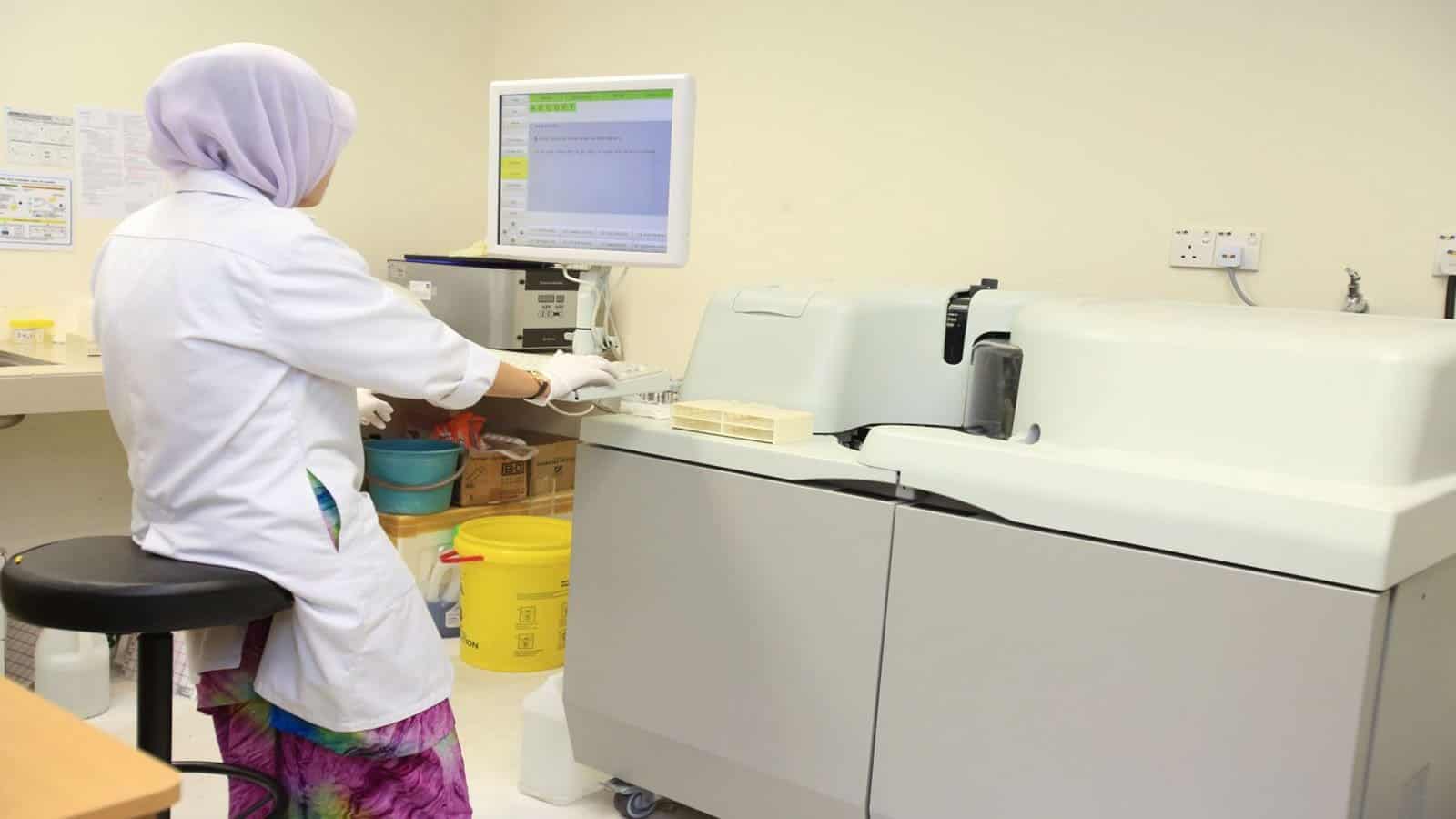
CMH’s medical laboratory supports diagnostic testing, while the nephrology service describes evaluation and management of kidney conditions.

Doctor explaining a kidney ultrasound during a nephrology assessment in Seremban
Imaging may be considered when a doctor needs to assess kidney structure or urinary obstruction.

When to seek urgent care

Seek urgent assessment for a major reduction in urine output, severe breathlessness, confusion, persistent vomiting, rapidly increasing swelling, severe weakness, chest pain or sudden worsening in a person with known kidney disease. These symptoms can reflect fluid, electrolyte or kidney-function problems that should not wait for a routine appointment.

Frequently asked questions

Can dehydration change creatinine?

Yes. Reduced fluid intake, vomiting or diarrhoea can affect kidney perfusion and raise creatinine. The context and degree of change determine the response.

Does a low eGFR always mean dialysis?

No. eGFR covers a wide range of kidney function. Many people with chronic kidney disease are managed with risk-factor control and monitoring. Dialysis decisions depend on overall function, symptoms and complications—not one result alone.

Should I repeat an abnormal test?

Often, but timing depends on severity and whether acute illness is present. Follow the clinician’s advice rather than delaying a clearly urgent result.

Medical references

This article is general information. Laboratory reference ranges and clinical decisions vary with the individual and testing context.

High Blood Pressure and Heart Risk: When to Book a Cardiology Assessment

High Blood Pressure and Heart Risk: When to Book a Cardiology Assessment

High blood pressure, or hypertension, often has no obvious symptoms. Over time, uncontrolled pressure can damage blood vessels and increase the risk of heart attack, stroke, heart failure and kidney disease. That is why repeated, accurate measurement matters even when you feel well.

Most people can begin assessment with a primary-care doctor. A cardiologist in Seremban may be involved when blood pressure remains difficult to control, heart symptoms are present, target-organ damage is suspected or cardiovascular risk is high.

Key takeaways

What to knowWhy it matters
One high reading is not always a diagnosisStress, pain, caffeine, recent exercise and poor measurement technique can temporarily affect a result.
Home readings can add useful contextA validated monitor and correct technique help distinguish persistent hypertension from clinic-only elevation.
Treatment considers total riskBlood pressure is assessed alongside age, smoking, diabetes, cholesterol, kidney health and existing cardiovascular disease.
Blood pressure assessment for heart health in Seremban
Accurate, repeated blood-pressure readings help doctors assess cardiovascular risk.

Why blood pressure affects the heart

Blood pressure is the force of blood against artery walls. When it stays high, the heart must pump against greater resistance. The arteries may become damaged or stiff, and the heart muscle can thicken. These changes can contribute to coronary artery disease, abnormal rhythms and heart failure.

Hypertension also affects the brain, kidneys and eyes. Managing it is therefore part of broader cardiovascular prevention, not simply achieving a single number at one visit.

How to take a more reliable home reading

  • Use a validated upper-arm monitor with the correct cuff size
  • Avoid exercise, smoking and caffeinated drinks for at least 30 minutes beforehand
  • Empty your bladder and sit quietly for about five minutes
  • Support your back and arm, keep feet flat and do not talk
  • Take readings at consistent times and record them as advised

Bring your monitor and record to an appointment. A clinician can check your technique and compare your device with the clinic equipment. Do not change prescribed medicine based on a single home reading unless your treating doctor has given you a specific plan.

Cardiology consultation in Seremban with a doctor reviewing an ECG result
A cardiology assessment may include a symptom review, physical examination and tests such as an ECG.

When a cardiology assessment may be useful

Referral or direct cardiology review may be considered when blood pressure remains above target despite appropriate treatment, rises suddenly, begins at an unusually young age, or is accompanied by chest discomfort, breathlessness, palpitations or reduced exercise tolerance. Previous heart attack, stroke, heart failure or abnormal ECG findings can also change the assessment.

A cardiology visit may include a risk review, examination and ECG. An echocardiogram may be used when there is concern about heart-muscle thickening, valve disease or pumping function. Blood and urine tests may help assess cholesterol, glucose, kidney function and possible secondary causes. Tests are selected individually.

When high blood pressure is urgent

Seek urgent medical care for a very high reading accompanied by chest pain, severe breathlessness, weakness or numbness, difficulty speaking, confusion, fainting, severe headache or sudden vision change. Symptoms determine urgency; do not delay emergency assessment to keep repeating the measurement.

For urgent hospital assessment in Seremban, see CMH’s 24-hour Accident & Emergency service. If a reading is unexpectedly high but you feel well, sit quietly, repeat it correctly and contact a healthcare professional for advice.

Cardiologist performing an echocardiogram for a patient in Seremban
An echocardiogram uses ultrasound to assess the heart’s structure and pumping function.

Daily measures that support treatment

Useful measures include reducing excess salt, following a balanced diet, being physically active as medically appropriate, maintaining a healthy weight, avoiding tobacco, limiting alcohol and taking prescribed medicines consistently. Sleep quality and conditions such as sleep apnoea may also matter.

Lifestyle changes and medication work together. If side effects or cost make adherence difficult, discuss this openly rather than stopping treatment suddenly.

Frequently asked questions

Can hypertension cause headaches?

Most hypertension causes no symptoms. Headache can occur for many reasons and should not be used as a substitute for measurement. A severe headache with neurological or visual symptoms needs urgent assessment.

Do I need an echocardiogram?

Not everyone does. A doctor may recommend one when symptoms, examination or ECG findings suggest structural heart effects or another cardiac condition.

Can I stop medicine when readings improve?

Improvement may mean treatment is working. Do not stop or reduce medication without discussing it with the prescriber.

Medical references

This article offers general information. Individual targets and treatment decisions should be discussed with your healthcare professional.

Chest Pain or Indigestion? When Heart Symptoms Need Urgent Care

Chest Pain or Indigestion? When Heart Symptoms Need Urgent Care

Chest pain is not always caused by the heart. Reflux, chest-wall strain, lung conditions and anxiety can produce similar discomfort. The difficulty is that heart-related pain is not reliably distinguished by intensity alone. New pressure, tightness, heaviness or unexplained discomfort—especially with other warning signs—should be taken seriously.

For non-emergency follow-up, CMH’s cardiology service in Seremban assesses symptoms and cardiovascular risk. Severe or ongoing symptoms need emergency care first, not a routine clinic booking.

Key takeaways

What to knowWhy it matters
Heart symptoms are not always dramaticSome people have pressure, indigestion-like discomfort, unusual fatigue, nausea or breathlessness rather than severe pain.
Timing and associated symptoms matterPain during exertion or with sweating, breathlessness, faintness or spreading discomfort is more concerning.
Do not wait for certaintyIf a heart attack is possible, prompt emergency assessment is safer than trying to diagnose the cause at home.
Cardiologist performing an echocardiogram for a patient in Seremban
An echocardiogram uses ultrasound to assess the heart’s structure and pumping function.

How heart-related chest discomfort may present

Possible heart-related symptoms include central chest pressure, squeezing, fullness, burning or heaviness. Discomfort may spread to one or both arms, the back, neck, jaw or upper abdomen. Other symptoms can include shortness of breath, cold sweat, nausea, light-headedness or unusual weakness.

Symptoms vary by person. Women, older adults and people with diabetes may experience less typical features, such as breathlessness, nausea, back or jaw discomfort or sudden fatigue. No single symptom pattern can safely rule out a heart problem.

When to seek emergency care

Go to the nearest emergency department or contact local emergency services for new, severe, persistent or worsening chest pressure or pain—especially if it lasts more than a few minutes, returns, or occurs with breathlessness, sweating, fainting, nausea or pain spreading to the arm, jaw, back or upper abdomen. CMH’s 24-hour Accident & Emergency service provides urgent hospital assessment.

Do not drive yourself if you feel very unwell, faint or breathless. A suspected heart attack is time-sensitive because earlier assessment and treatment can reduce heart-muscle damage.

Cardiology consultation in Seremban with a doctor reviewing an ECG result
A cardiology assessment may include a symptom review, physical examination and tests such as an ECG.

Could it be indigestion or a muscle strain?

Reflux often causes burning behind the breastbone, sometimes after meals or when lying down. A chest-wall strain may be linked to movement or tenderness. These clues can be helpful, but they are not a guarantee. Heart discomfort can also feel like indigestion, and having reflux does not prevent a heart problem from occurring.

If discomfort is new, unexplained, exertional or associated with cardiovascular risk factors, seek medical advice. Risk factors include high blood pressure, diabetes, smoking, high cholesterol, kidney disease, obesity and a family history of early heart disease.

How chest pain may be assessed

Emergency assessment may include an ECG, repeated vital signs and blood tests such as cardiac troponin. Results are interpreted with the symptom history and examination. A single early result may not always be enough, so repeat testing or observation can be necessary.

After an immediate emergency has been excluded, a cardiologist may consider an echocardiogram, exercise stress testing or cardiac imaging based on your risk and symptom pattern. The CMH cardiology department lists ECG, echocardiography, stress tests and CT cardiac scanning among its services.

Blood pressure assessment for heart health in Seremban
Accurate, repeated blood-pressure readings help doctors assess cardiovascular risk.

Information to give the medical team

  • Exact time the discomfort began and whether it is continuous or intermittent
  • Location, quality and whether it spreads
  • What you were doing when it started
  • Associated breathlessness, sweating, nausea, dizziness or palpitations
  • Heart-risk factors, previous heart problems and current medicines

Frequently asked questions

Can a heart attack feel mild?

Yes. Some heart attacks begin with mild discomfort or symptoms that come and go. Severity alone is not a reliable guide.

Does pain that improves with antacid rule out the heart?

No. Symptom improvement does not confirm the cause. New or concerning symptoms still need appropriate clinical assessment.

When is a cardiology appointment appropriate?

A routine or expedited cardiology review may be appropriate for recurring exertional discomfort, unexplained breathlessness or follow-up after emergency causes have been excluded. Active warning signs require emergency care.

Medical references

This article is for general education and cannot determine the cause of chest pain. Seek emergency care for current or severe symptoms.

Heart Palpitations in Seremban: When Should You See a Cardiologist?

Heart Palpitations in Seremban: When Should You See a Cardiologist?

Heart palpitations are a noticeable awareness of your heartbeat. You may feel that your heart is racing, pounding, fluttering or skipping a beat. Many episodes are brief and not dangerous, but palpitations can also occur with an abnormal heart rhythm or another medical condition. The safest next step depends on the symptoms that accompany them, how often they occur and your heart-risk profile.

If you are looking for a cardiologist in Seremban, start by recording when the sensation occurs, how long it lasts and whether it comes with chest discomfort, breathlessness, dizziness or fainting. This information can help guide an appropriate assessment.

Key takeaways

What to knowWhy it matters
Palpitations have many possible triggersStress, caffeine, lack of sleep, fever, thyroid problems, anaemia, medicines and heart-rhythm disorders may contribute.
Associated symptoms change the urgencyChest pain, severe breathlessness, fainting or near-fainting should not be treated as a routine appointment.
A normal clinic ECG may not capture every episodeIntermittent symptoms may require longer rhythm monitoring if your doctor considers it appropriate.
Cardiology consultation in Seremban with a doctor reviewing an ECG result
A cardiology assessment may include a symptom review, physical examination and tests such as an ECG.

What do heart palpitations feel like?

People describe palpitations differently. Some notice a rapid regular beat, while others feel irregular thumps, pauses or a strong beat in the chest, throat or neck. An episode may last seconds or continue longer. The sensation alone does not identify the cause, so the surrounding circumstances matter.

  • When the episode started and stopped
  • Whether the beat felt regular or irregular
  • What you were doing at the time
  • Recent caffeine, alcohol, nicotine, supplements or decongestants
  • Any chest pain, shortness of breath, dizziness or loss of consciousness
  • Personal or family history of heart disease or sudden cardiac death

Common causes and triggers

Palpitations can occur after strenuous activity, emotional stress, poor sleep, dehydration or excess caffeine. Fever, low blood sugar, anaemia, an overactive thyroid and hormonal changes may also affect the heartbeat. Some prescription medicines and over-the-counter cold products can increase heart rate. In other cases, the cause is an arrhythmia such as atrial fibrillation or another rhythm disturbance.

Because the possible causes range from harmless triggers to conditions that need treatment, repeated or unexplained episodes deserve a clinical review rather than self-diagnosis.

Blood pressure assessment for heart health in Seremban
Accurate, repeated blood-pressure readings help doctors assess cardiovascular risk.

When are palpitations an emergency?

Seek emergency assessment now if palpitations occur with chest pain or pressure, severe difficulty breathing, fainting, new confusion, marked weakness or symptoms suggesting a heart attack or stroke. Go to the nearest emergency department or contact local emergency services. CMH’s 24-hour Accident & Emergency service is available for urgent hospital assessment.

An urgent assessment is also sensible when a fast or irregular heartbeat does not settle, particularly if you have known heart disease. Do not drive yourself if you feel faint or seriously unwell.

What may happen during a cardiology assessment?

A doctor will usually review your symptoms, medical history, medicines and risk factors before checking your pulse, blood pressure and heart. An electrocardiogram (ECG) records the heart’s electrical activity. If the episode is intermittent, a Holter monitor or other ambulatory monitor may be considered. Blood tests can look for contributors such as anaemia, thyroid disturbance or electrolyte problems.

Depending on the findings, an echocardiogram may be used to examine the heart’s structure and pumping function. Exercise testing or other investigations are selected according to symptoms and clinical risk; not every person needs every test.

Cardiologist performing an echocardiogram for a patient in Seremban
An echocardiogram uses ultrasound to assess the heart’s structure and pumping function.

How to prepare for your appointment

  • Keep a symptom diary with dates, duration and possible triggers
  • Bring a complete medicine and supplement list
  • Note recent illnesses, sleep changes and caffeine or energy-drink use
  • Bring previous ECGs, blood tests or hospital records if available
  • Write down your family history of rhythm problems, heart disease or unexplained sudden death

Frequently asked questions

Can stress cause palpitations?

Yes. Stress and anxiety can increase adrenaline and make the heartbeat feel faster or stronger. However, a new or persistent symptom should not automatically be attributed to anxiety without considering other causes.

Should I stop coffee completely?

Caffeine sensitivity varies. A symptom diary may reveal whether coffee or energy drinks are a trigger. Discuss persistent symptoms with a doctor before making major changes based only on assumptions.

What if my ECG is normal?

A resting ECG records only a short period. If symptoms come and go, your doctor may consider longer monitoring or other tests based on the pattern and your risk factors.

Next step

Occasional brief palpitations without warning signs may be reviewed at a routine appointment, while recurring, worsening or unexplained episodes should be assessed sooner. A cardiology consultation can help distinguish lifestyle triggers from rhythm or structural heart problems and determine which tests are appropriate.

Medical references

This article provides general health information and is not a diagnosis. Seek urgent medical care for severe or rapidly worsening symptoms.

Turning Veggie Haters into Little Food Explorers—Fun Meal Ideas

Turning Veggie Haters into Little Food Explorers—Fun Meal Ideas


Introduction
Picture this: you lovingly plate colourful broccoli “trees” and carrot “coins,” only to watch your child push them aside with Olympic-level skill. If veggie battles leave you exhausted—and your kitchen floor littered with greens—take heart. Children aren’t born rejecting vegetables; their taste buds simply need coaching and a dash of creativity. This guide reveals why kids say “yuck,” shares playful strategies that turn produce into adventures, and offers an entire week of kid-tested meal ideas. You’ll also learn how CMH Specialist Hospital’s family-nutrition team can personalise solutions when pickiness feels overwhelming. No jargon, no guilt—just practical steps to help little ones explore the garden on their plates.


Why Kids Push Vegetables Away

  • Natural caution: Humans evolved to distrust bitter flavours (a sign of toxins in prehistoric plants). Many veggies carry mild bitterness, so rejection is self-preservation at work.

  • Super-sensitive taste buds: Children have roughly double the taste buds adults do, magnifying strong flavours.

  • Texture turn-offs: Fibrous, crunchy, or mushy textures can feel odd compared with bread or noodles.

  • Fear of the unfamiliar: Brand-new colours and shapes spark food neophobia—a normal developmental stage between ages two and six.

Understanding these hurdles helps you address the real issue rather than assuming “my kid is just stubborn.”


The Taste-Training Timeline

Exposure is the single biggest predictor of acceptance. Research shows most children need 8–15 neutral tastings before a new veggie moves from “no way” to “okay.” Neutral means no pressure—just seeing, smelling, touching. Celebrate tiny wins: a lick today can lead to a nibble next week.


Fun Strategies to Turn Veggie Haters into Explorers

Make Veggies the Art Supplies

  • Rainbow rice rolls: Set out rice paper, coloured veggie sticks (purple cabbage, orange carrot, yellow capsicum), and let kids roll their own edible “stained-glass windows.”

  • Broccoli forest bowls: Serve steamed broccoli upright in mashed-potato “soil.” Provide cherry-tomato “ladybugs” for decoration. Kids are more willing to taste what they design.

Rename for Imagination

Marketing teams do this—why not parents?

  • “X-Ray Vision Sticks” (carrot batons)

  • “Power-up Peas”

  • “Ninja Spinach Wraps”

Labels influence perception; studies show children eat twice as many vegetables with fun names.

Dip Days

Pair unfamiliar veg with familiar flavours:

  • Greek yogurt + mild curry powder as “sunshine dip”

  • Peanut butter + dash of honey for apple and celery dunking

  • Hummus coloured pink with beet purée to spark curiosity

Dipping turns eating into a game of dunk-and-crunch.

Build-a-Bento

Kids love compartments. Fill a divided lunchbox with colourful raw veggies, fruit, cheese cubes, and a small treat. The visual variety reduces veggie intimidation. Include one “safe” food so the meal doesn’t feel like an ultimatum.

Hide and Seek—But Don’t Keep It Secret

Sneaking spinach into smoothies is fine, but tell kids afterward: “That green Hulk smoothie had spinach that helps muscles grow.” Linking taste to identity builds long-term acceptance instead of deceit.

Mix Multiple Textures

Roast cauliflower until crisp on the edges and tender inside. Combine edamame with sweet corn for crunch plus pop. Texture variety keeps bites interesting and offsets any bitter edge.

Theme Nights

  • Traffic-Light Dinner: Red capsicum strips, yellow corn, green beans.

  • Under-the-Sea Pasta: Blue-spirulina noodles with zucchini “seaweed” ribbons and fish-shaped carrot slices.

Themes transform supper into storytime.

Kid-Friendly Kitchen Jobs

Giving children ownership skyrockets tasting odds:

  • Washing cherry tomatoes in a colander (water play bonus)

  • Tearing lettuce leaves for salad

  • Using kid-safe knives to cut soft mushrooms

These tasks engage senses before eating begins.

Rewards That Work—And Ones to Skip

Praise bravery, not volume: “Thanks for tasting the bell pepper!” Avoid dessert bribes; they teach that veggies are chores you suffer before the “good stuff.”


Creative Breakfast, Lunch, and Snack Ideas

Happy Child Girl Eating Vegetables. Healthy Nutrition for Kids Stock Image - Image of healthy ...

Morning Marvels

  • Incredible Hulk Pancakes: Blend baby spinach into whole-meal batter; serve with banana slices.

  • Sunshine Egg Muffins: Whisk eggs with grated carrot and diced capsicum, bake in muffin tins—freezer-friendly for school mornings.

Lunchbox Wins

  • Mighty Mac ’n’ Peas: Swap half the macaroni for cauliflower florets; blend cooked pumpkin into cheese sauce for sweetness and colour.

  • Sushi Burritos: Wrap brown-rice sushi sheets around avocado, cucumber, and shredded beetroot with a soy-yogurt drizzle.

Snack Attacks

  • Frozen yogurt bark topped with kiwi coins and carrot-juice swirls.

  • Ants-on-a-Raft: Celery sticks filled with tuna salad topped with raisin “ants.”

Dinner Champions

  • Pizza Night Remix: Let kids top whole-grain pita rounds with veggie faces—olive eyes, pepper noses, tomato smiles.

  • Rainbow Fried Rice: Stir-fry leftover rice with edamame, carrots, corn, and red cabbage. Use low-sodium soy and sesame oil for flavour punch.


A One-Week “Explorer Plate” Plan

DayMeal Idea
MondayRainbow rice rolls + peanut dipping sauce
TuesdaySunshine egg muffins + melon cubes
WednesdayPizza pita faces + carrot “fries” air-fried with paprika
ThursdayUnder-the-Sea pasta + side salad kids prepped
FridayHulk smoothies (spinach, banana, cocoa) + cheese toast soldiers
SaturdayBBQ veggie skewers + corn-on-the-cob paint-brush station (kids brush with herb butter)
SundayDIY taco bar: black-bean mince, lettuce, tomato salsa, grated carrot

Adjust portion sizes by age and appetite; repetition helps reinforce acceptance.


Age-Specific Tips

Toddlers (1–3)

  • Serve veggies first when hunger is highest.

  • Offer soft textures: steamed carrot coins, mashed peas.

  • Keep portions tiny—a tablespoon per year of age.

Preschoolers (4–6)

  • Use taste-explorer charts: sticker each time they try a new veg.

  • Introduce gentle herbs (dill, parsley) to expand flavour profiles.

School-Age (7–12)

  • Incorporate social proof: invite friends for “build-a-wrap” parties.

  • Teach simple stove skills—stir-frying snow peas builds pride.

Tweens & Teens

  • Discuss sports performance: show how iron from spinach boosts oxygen for futsal stamina.

  • Let them plan one veggie-based meal a week and handle the grocery list.


What to Avoid

  • Pressure and Punishment – links veggies with negative emotion; long-term studies show it reduces vegetable intake in adulthood.

  • Over-seasoning with Salt or Sugar – masking taste prevents palate training. Use natural flavour enhancers—lemon zest, garlic, herbs—instead.

  • One-Size-Fits-All Expectations – genetics influence bitterness sensitivity. Respect individual thresholds; aim for gradual improvement, not perfect plates.


When Picky Eating Signals a Bigger Issue

Red flags include:

  • Consistently rejecting entire food groups beyond age six.

  • Choking or gagging frequently on textured foods.

  • Growth faltering on pediatric charts.

  • Extreme anxiety around mealtimes.

If these appear, book an assessment at CMH Specialist Hospital. Speech therapists, dietitians, and pediatricians collaborate to identify sensory, medical, or behavioural causes and craft targeted therapies.


How CMH Specialist Hospital Helps Families Eat the Rainbow

  • Personalised Dietitian Consults – phased veggie-introduction plans with kid-friendly recipes.

  • Taste-Explorer Workshops – hands-on classes where children prep and sample produce in a fun group setting.

  • Picky-Eater Clinics – multidisciplinary sessions addressing oral-motor delays to ARFID.

  • School Collaboration – upgrading canteen menus so exposure extends beyond home.


Success Stories

  • Sara, age 5 – moved from all-white foods to cucumber “mermaid scales” after six weeks.

  • Hamzah, age 10 – blends spinach into smoothies after linking greens to football endurance.


Frequently Asked Questions

Should I hide veggies or be transparent?
Blend for smoother textures but reveal ingredients—transparency builds trust.

How much is enough?
Malaysian guidelines suggest 2 servings of fruit + 3 servings of vegetables daily for kids (½ cup cooked = 1 serving).

Are frozen vegetables okay?
Yes—flash-frozen at peak nutrition and often cheaper.

What about seasoning cubes?
Many are high in sodium; use onion, garlic, or low-sodium broth instead.


Conclusion

Turning veggie haters into curious food explorers is less about force and more about fun, patience, and repeated exposure. Transform produce into art projects, storybook heroes, and build-your-own meals. Celebrate tiny tastes, respect sensory boundaries, and remember it can take dozens of tries for acceptance to bloom. When challenges persist, CMH Specialist Hospital’s child-nutrition experts stand ready with evidence-based guidance and engaging programs that make vegetables feel like exciting discoveries rather than dreaded chores. Start small tonight—maybe a rainbow rice roll or Hulk pancake—and watch curiosity sprout alongside your child’s growing palate. Soon, those once-ignored greens may become the star players of every family meal.

Malaysian Breakfast Swaps for a Happier Heart

Malaysian Breakfast Swaps for a Happier Heart

Ask any Malaysian what fuels their morning and you’ll hear mouth-watering answers: creamy nasi lemak with rich sambal, flaky roti canai dunked in dhal, sweet kaya toast dripping with butter. These iconic staples give comfort and culture in a single bite—but they also sneak in hefty amounts of saturated fat, sodium, and refined carbs that quietly stress the heart. The good news? You don’t need to abandon beloved flavours to protect your ticker. With mindful tweaks—swapping, not scrapping—you can enjoy familiar tastes while lowering cholesterol, stabilising blood pressure, and powering up with sustained energy. This practical guide unpacks why breakfast shapes heart health, reveals smart ingredient substitutions inspired by Malaysian kitchens, and delivers ready-to-use meal plans that keep taste buds singing. Along the way, you’ll discover how CMH Specialist Hospital’s cardiology and dietetics team can personalise your breakfast reboot, turning small plate changes into long-term cardiac wins.

Why Breakfast Sets the Tone for Heart Health

Breakfast literally “breaks the fast” after 8–10 hours without fuel. Get it right and you:
• Stabilise morning blood glucose, preventing insulin spikes that lead to artery-damaging inflammation.
• Refill liver glycogen so your body doesn’t crave sugary pick-me-ups mid-morning.
• Kick-start metabolism; studies show breakfast eaters maintain healthier weight, easing strain on the heart.
• Set flavour expectations—starting savoury over sugary shrinks sweet cravings all day.

A landmark Malaysian cohort study found adults who skipped breakfast had a 21 % higher risk of developing hypertension within five years. That’s reason enough to make the first meal count—but count smartly.

Quick-Win Swap Principles

1. Go whole-grain over refined: Brown rice, whole-meal roti, and multigrain bread carry triple the fibre, sweeping LDL (“bad”) cholesterol out of circulation.
2. Up the plant protein: Tempeh, tofu, and beans keep you fuller with minimal saturated fat.
3. Mind the fat quality: Swap ghee and coconut milk for heart-friendly oils like canola or light coconut cream.
4. Reduce sodium stealthily: Flavour sambal and soups with herbs, spices, and a squeeze of calamansi instead of extra salt.
5. Add colourful produce: Fruits and veggies deliver antioxidants that patch daily oxidative wear on vessel walls.

Traditional Favourites: The Heart-Impact Scorecard
• Nasi lemak with fried chicken: \~750 kcal, 15 g saturated fat, 1 400 mg sodium
• Roti canai with dhal: \~420 kcal, 8 g saturated fat, 600 mg sodium
• Kaya toast with soft-boiled eggs: \~380 kcal, 6 g saturated fat, 450 mg sodium
• Mee goreng mamak: \~650 kcal, 13 g saturated fat, 1 000 mg sodium

Enjoyed occasionally, these dishes don’t doom arteries. Trouble brews when they become daily defaults. Use the following swaps to keep flavour but shed the cardiac baggage.

Ten Heart-Happy Malaysian Breakfast Swaps

Swap 1: Brown-Rice Nasi Lemak Lite
Keep the fragrant pandan-infused rice but cook with brown rice and light coconut milk (santan rendah lemak). Pair with air-fried ikan kembung (rich in omega-3) instead of fried chicken. Sambal lovers can sauté onions in one teaspoon of canola oil, adding extra tomatoes for volume and natural sweetness, reducing sugar by half. Result: fibre jumps from 2 g to 6 g, saturated fat drops 40 %, and you still inhale that coconut aroma Malaysians crave.

Swap 2: Roti Canai à la Chapati
The twirl-and-flatten theatrics of roti canai are fun but each layer hides ghee. Choose fresh chapati made with whole-wheat atta flour and brushed lightly with olive oil. Dip into protein-rich dhal—request “kurang garam” and ask the stall to skip the oil drizzle. Sprinkle chopped coriander and a squeeze of lime to lift flavours naturally.

Swap 3: Soft-Boiled Omega-3 Eggs on Multigrain Toast
Instead of kaya (loaded with sugar and butter), mash half an avocado with a pinch of salt and squeeze of calamansi. Eggs supply choline for heart rhythm; avocado adds monounsaturated fat that raises HDL (“good”) cholesterol. Optionally drizzle with chilli flakes for a metabolic kick.

Swap 4: Whole-Wheat Mee Hoon Soup
Swap oily mee goreng mamak for clear mee hoon soup. Use whole-wheat or brown-rice vermicelli cooked in anchovy or chicken bone broth skimmed of fat. Load with bok choy, carrots, and enoki mushrooms. Add tofu cubes or shredded chicken breast for protein. Season with white pepper and sesame oil instead of soy sauce overload.

Swap 5: High-Fibre Overnight Oats with Tropical Twist
Combine rolled oats, unsweetened soy milk, chia seeds, and a teaspoon of honey. Top with diced pineapple, papaya, and toasted grated coconut for local flair. This no-cook jar packs soluble fibre that binds LDL cholesterol and lignans that lower blood pressure.

Swap 6: Protein-Powered Soy Bean Curd (Tau Fu Fa)
Traditional tau fu fa often swims in sugary syrup. Opt for warm unsweetened soy bean curd topped with ginger-infused low-GI gula Melaka syrup (use half the usual portion) and chia seeds. Ginger aids circulation; soy isoflavones modestly reduce LDL.

Swap 7: Millet Bubur with Pumpkin and Goji Berry
Replace white-rice porridge with millet, naturally gluten-free and higher in magnesium—key for healthy heartbeat regulation. Simmer with diced pumpkin (beta-carotene booster) and sprinkle goji berries for subtle sweetness.

Swap 8: Tempeh Rendang Wrap
Transform leftover rendang sauce by simmering tempeh cubes (fermented soybean) instead of beef. Roll into whole-meal tortilla with lettuce, shredded cucumber, and mint. Tempeh offers probiotics for gut-heart synergy.

Swap 9: Banana-Oat Pisang Goreng Air Fryer-Style
Craving crispy pisang? Slice ripe plantains lengthwise, coat lightly in oat flour and cinnamon, and air fry. You keep fibre and potassium while ditching deep-fryer trans fats. Pair with unsweetened Greek yogurt dip dusted with nutmeg.

Swap 10: Matcha-Berry Smoothie Bowl
Blend unsweetened soy yogurt, frozen banana, spinach, and matcha powder. Top with mixed berries, pumpkin seeds, and a drizzle of local kelulut honey. Matcha catechins improve blood-vessel elasticity; berries supply polyphenols that tame blood pressure spikes.

Crafting a Balanced Plate: The Malaysian MyHeart Formula
Think of your breakfast plate in quadrants:
• ¼ Protein (eggs, tofu, tempeh, fish, beans)
• ¼ Whole grains (brown rice, whole-meal bread, millet, oats)
• ¼ Colourful produce (fruits or veggies)
• ¼ Healthy fat (avocado, nuts, seeds, olive or canola oil)

This ratio keeps macronutrients balanced, curbs mid-morning hunger, and delivers a spectrum of heart-protective micronutrients—B-vitamins, magnesium, potassium, and antioxidants.

A One-Week Heart-Smart Breakfast Plan

Monday: Brown-rice nasi lemak lite + cucumber sticks + unsweetened black coffee
Tuesday: Omega-3 eggs on multigrain toast with avocado + fresh guava slices
Wednesday: Millet pumpkin porridge + side of steamed edamame + green tea
Thursday: High-fibre overnight oats with tropical fruit + soy latte
Friday: Whole-wheat mee hoon soup with tofu, veggies + chilled calamansi water
Saturday: Tempeh rendang wrap + papaya-lime salad
Sunday: Matcha-berry smoothie bowl + handful of roasted almonds

Time-Saving Tips for Busy Mornings
• Prep sambal minus oil in a weekend batch; freeze in ice-cube trays for single servings.
• Keep chopped fruits and vegetables in transparent containers so they’re visibly tempting.
• Invest in an air fryer—cuts fried snack fat by up to 75 %.
• Use smart rice cookers with “brown rice quick” settings; set timers the night before.

Handling Common Roadblocks

“I miss the creamy mouthfeel.”
Blend silken tofu into smoothies or oats; its neutral taste mimics creaminess without saturated fat.

“Whole grains taste too earthy.”
Start with a 50-50 mix of white and brown rice or white and whole-meal flour, increasing the whole-grain ratio over weeks.

“Healthy ingredients cost more.”
Buying in bulk (oats, brown rice), choosing seasonal produce, and cooking at home still beat daily café spending. CMH dietitians provide cost-efficient shopping lists tailored to local markets.

Role of Exercise and Sleep in Breakfast Success
A heart-smart breakfast works best when paired with 150 minutes of moderate activity weekly and 7–8 hours of sleep. Poor sleep skews hunger hormones, nudging you toward high-fat nasi lemak cravings; morning walks stabilise them. CMH fitness physiologists coordinate with cardiologists to design safe workout plans even for beginners with hypertension.

How CMH Specialist Hospital Supports Your Heart-Friendly Breakfast Journey

Personalised Nutrition Consultations
Registered dietitians analyse your current makan routine and tweak favourite dishes into heart-helping versions, factoring in allergies, religious dietary preferences, and budget.

Heart-Health Screening Packages
Baseline lipid panels, blood-pressure checks, and body-composition analyses identify your starting point. Follow-up screenings show the tangible impact of breakfast swaps—turning motivation into data­-driven results.

Cooking Workshops and Demo Kitchens
Monthly “Flavour & Heart” sessions let you watch chefs transform everyday Malaysian ingredients—think sambal tumis with eggplant and less oil—while dietitians explain the science behind each swap.

Multidisciplinary Cardiac Care
Should screenings flag high cholesterol or hypertension, CMH cardiologists and pharmacists fine-tune medication seamlessly with lifestyle advice, ensuring your new breakfast routine dovetails with any necessary treatment.

Digital Support
A secure app logs meals, reminds you of fibre targets, and allows instant chat with dietitians when a new café menu tempts you off course. Push notifications share weekly market deals for healthy staples.

Frequently Asked Questions

Is coconut milk always bad?
Not in small amounts. Replace full-fat santan with light versions or blend half santan, half soy milk. Moderate use within daily saturated-fat limits (below 20 g) fits a heart-healthy diet.

Can I still drink teh tarik?
Yes—request kurang manis (half sugar) and switch from condensed to evaporated milk, or try plant-based unsweetened soy. Enjoying it alongside fibre-rich foods slows sugar absorption.

Does skipping breakfast aid weight loss?
Intermittent fasting works for some, but many Malaysians compensate with larger lunches high in fried foods. Balanced breakfasts with protein and whole grains better regulate appetite and protect heart health.

Are eggs safe if I have high cholesterol?
Current evidence says up to seven eggs a week are fine for most people. Pair with veggies and whole grains rather than processed meat to keep cholesterol impact minimal.

Conclusion
Malaysia’s breakfast culture brims with flavour, tradition, and community. By applying smart swaps—brown rice for white, chapati for ghee-laden roti, avocado spread for kaya—you retain the soulful essence of local cuisine while gifting your heart a longer, stronger beat. Remember the MyHeart plate proportion, plan ahead with a weekly menu, and lean on flavour boosters like herbs, spices, and citrus instead of salt and saturated fat. Keep an eye on progress through regular screenings, and enlist the multidisciplinary expertise at CMH Specialist Hospital whenever you need personalised guidance or a motivational nudge. Start tomorrow morning: one small swap on the plate can trigger big changes in blood pressure, cholesterol, and lifelong energy. Your heart, your heritage, and your taste buds can all thrive—one delicious Malaysian breakfast at a time.