Gastroscopy vs Colonoscopy in Seremban: What Is the Difference?
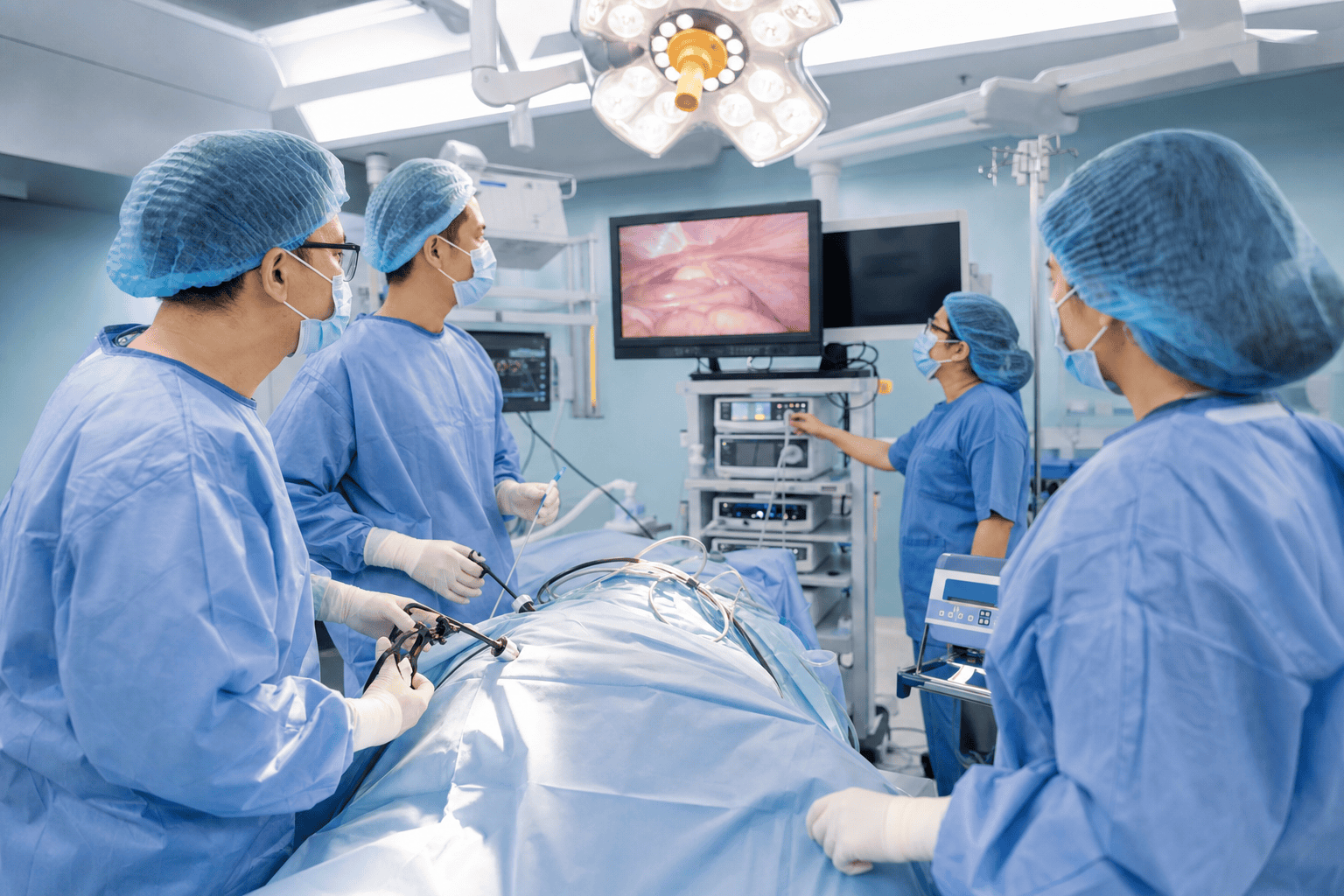
Gastroscopy and colonoscopy both use a flexible camera called an endoscope, but they examine different parts of the digestive tract. Gastroscopy passes through the mouth to inspect the oesophagus, stomach and first part of the small intestine. Colonoscopy passes through the rectum to inspect the large intestine.
Patients looking for gastroscopy or colonoscopy in Seremban should understand why the test is proposed, how to prepare and what the results can and cannot show.

Key Takeaways
| Key Point | Summary |
|---|---|
| What does gastroscopy examine? | The oesophagus, stomach and duodenum. |
| What does colonoscopy examine? | The rectum and entire colon, and sometimes the end of the small intestine. |
| Can tissue be sampled? | Yes. Biopsies may be taken, and selected polyps or bleeding sources may be treated. |
| Is preparation the same? | No. Gastroscopy usually requires fasting; colonoscopy requires bowel cleansing plus diet and medication instructions. |
| Which pillar should this support? | Link to CMH’s general and specialised surgery service. |
What Is Gastroscopy?
Upper gastrointestinal endoscopy, commonly called gastroscopy, uses a thin flexible camera passed through the mouth. It examines the oesophagus, stomach and duodenum. It may be recommended for persistent upper-abdominal pain, swallowing difficulty, reflux symptoms, vomiting, unexplained anaemia or suspected upper-GI bleeding.
What Is Colonoscopy?
Colonoscopy passes a flexible camera through the rectum to inspect the colon. It may be recommended for rectal bleeding, persistent change in bowel habit, unexplained iron-deficiency anaemia, suspected inflammation, abnormal imaging, polyp follow-up or colorectal-cancer screening based on age and risk.
Why Biopsies May Be Taken
Small tissue samples can help diagnose inflammation, infection, precancerous change, cancer and other conditions. Taking a biopsy does not automatically mean cancer is suspected. Many biopsies are routine and patients usually do not feel the sample being taken.
Polyps found during colonoscopy may be removed when appropriate and sent for laboratory examination.
Preparing for Gastroscopy
The stomach must be empty. The hospital provides exact fasting instructions. Tell the team about diabetes, pregnancy, anticoagulants, antiplatelet medicine, allergies, implanted devices and previous sedation problems.
Do not change prescribed medication unless instructed. Patients receiving sedation must arrange safe transport and should not drive or make important decisions for the advised period.
Preparing for Colonoscopy
The bowel must be thoroughly cleaned so the lining can be seen. Preparation commonly includes a temporary low-residue diet, clear-fluid period and prescribed bowel-cleansing medicine. Follow the provided timing exactly.
Poor preparation can hide polyps and may require the test to be repeated. Contact the clinical team if vomiting prevents you from completing preparation or if you have kidney, heart or fluid-balance problems.

Sedation and Comfort
Options vary by procedure and patient. Local throat spray may be used for gastroscopy. Sedation can reduce awareness and anxiety but is not the same as general anaesthesia. Monitoring is provided.
Some cramping, pressure, gagging sensation or bloating can occur. Tell the team if you have severe discomfort. Patient safety is more important than completing a difficult procedure at all costs.
What Can the Tests Find?
Gastroscopy may identify inflammation, ulcers, narrowing, varices, bleeding, tumours and other upper-GI abnormalities. Colonoscopy may identify polyps, inflammation, diverticular disease, bleeding sites, narrowing and tumours.
A normal result does not explain every possible digestive symptom. Follow-up may involve laboratory tests, imaging or another specialist assessment.
Risks and Safety
Endoscopy is commonly performed, but complications are possible. These include reaction to sedation, bleeding, infection and perforation. Risk is affected by age, medical conditions, medication, whether treatment is performed and the difficulty of the procedure.
The doctor should explain the expected benefit, alternatives and individual risk before consent.
After the Procedure
Temporary throat discomfort may follow gastroscopy. Bloating and gas may follow colonoscopy. If sedation was used, rest with a responsible adult and follow driving restrictions.
Seek urgent help for severe or worsening abdominal pain, persistent vomiting, fever, breathing difficulty, black stool, heavy rectal bleeding, fainting or other symptoms listed by the clinical team. A small amount of blood after a biopsy or polyp removal may be expected, but the team should define what is acceptable.
Who Performs Endoscopy at CMH?
CMH’s general and specialised surgery page lists gastroscopy and colonoscopy within its endoscopic treatment interests. The treating doctor decides whether the procedure is appropriate and which preparation plan applies.
Frequently Asked Questions
Is gastroscopy the same as colonoscopy?
No. Gastroscopy examines the upper digestive tract; colonoscopy examines the large bowel.
Can both be performed on the same day?
Sometimes, when clinically appropriate. Preparation and sedation planning must be coordinated.
Is colonoscopy only for cancer screening?
No. It is also used for bleeding, anaemia, bowel-habit change, inflammation and polyp follow-up.
Will I be unconscious?
Not necessarily. Sedation options vary. Discuss comfort, monitoring and recovery with the team.
What if the bowel preparation does not work?
Contact the clinic. The procedure may need adjustment or rescheduling if visibility is inadequate.
When will biopsy results be ready?
Timing varies by laboratory and specimen. Ask when and how results will be reviewed.
Conclusion
Gastroscopy and colonoscopy examine different parts of the digestive tract and require different preparation. Both can diagnose disease, obtain biopsies and sometimes treat bleeding or remove polyps. CMH Specialist Hospital’s general-surgery service offers endoscopic assessment within a hospital setting in Seremban.
This article provides general information and does not replace personal medical advice.