Acute Kidney Injury: Causes, Warning Signs and Recovery Monitoring

Acute Kidney Injury: Causes, Warning Signs and Recovery Monitoring

Acute kidney injury means kidney function worsens over hours or days. It can occur during infection, dehydration, urinary blockage or exposure to certain medicines. The sections below outline practical next steps for patients considering specialist care in Seremban. This guide explains the practical differences patients and families should recognise before seeking care in Seremban.

Some patients notice less urine, swelling, nausea, breathlessness or confusion, while others have no obvious symptoms and are diagnosed through blood tests. Older adults and people with chronic disease are at higher risk. Symptoms should be interpreted with the person’s age, medical history, medicines and the way the problem has changed over time. A focused assessment is therefore more useful than judging the condition from a single symptom or online picture.

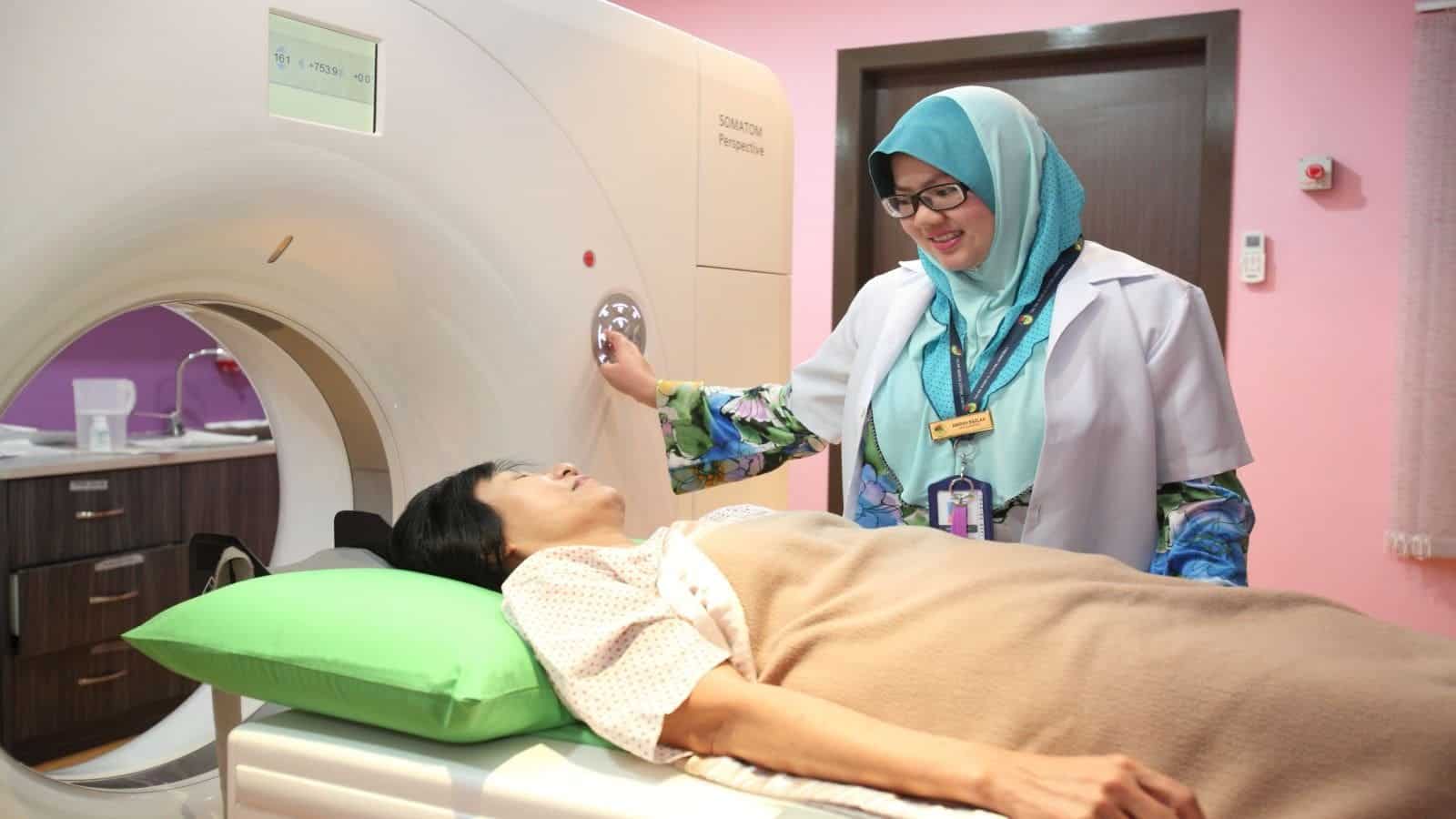
acute kidney injury Seremban — kidney blood and urine testing at CMH
kidney blood and urine testing at CMH: the first step is matching the symptom pattern with an appropriate clinical assessment.

Key Takeaways

Key pointWhat it means
PatternAcute kidney injury means kidney function worsens over hours or days.
Possible causesSome patients notice less urine, swelling, nausea, breathlessness or confusion, while others have no obvious symptoms and are diagnosed through blood tests.
AssessmentAssessment looks for the cause through examination, medicine review, creatinine and electrolyte tests, urine testing and selective imaging.
TreatmentRecovery varies.
Urgent helpEmergency assessment is needed for little or no urine, severe breathlessness, chest pain, confusion, seizures, persistent vomiting, severe dehydration or rapidly increasing swelling.

How AKI develops over hours or days

Some patients notice less urine, swelling, nausea, breathlessness or confusion, while others have no obvious symptoms and are diagnosed through blood tests. Older adults and people with chronic disease are at higher risk. Record when symptoms begin, their duration, triggers and any effect on sleep or daily activity. The timing, side of the body, triggers, associated symptoms and effect on daily function help separate common explanations from conditions that need earlier review. Guidance from NKF: Acute kidney injury supports looking at the whole clinical pattern rather than one isolated sign.

acute kidney injury Seremban — CMH nephrology service
CMH nephrology service: investigations are chosen to answer a specific clinical question.

Blood, urine and imaging tests for the cause

Assessment looks for the cause through examination, medicine review, creatinine and electrolyte tests, urine testing and selective imaging. Treatment may involve fluids, infection care, relieving obstruction or temporarily changing contributing medicines. Previous test results and the names and doses of current medicines provide important context. A clinician may begin with simple observations and only add tests that can change the diagnosis or next step. NKF: Acute kidney injury patient guide provides additional patient guidance about the relevant assessment pathway.

Recovery does not end when creatinine improves

Recovery varies. Follow-up kidney and urine tests are important because an episode raises the risk of future acute injury and chronic kidney disease even when the person feels better. Confirm which changes are expected, which are not, and who to contact if symptoms worsen. The safest plan also considers other medical conditions, pregnancy where relevant, allergies, kidney or liver function, current medicines and patient preferences. Follow-up should state what improvement is expected and when the plan needs review.
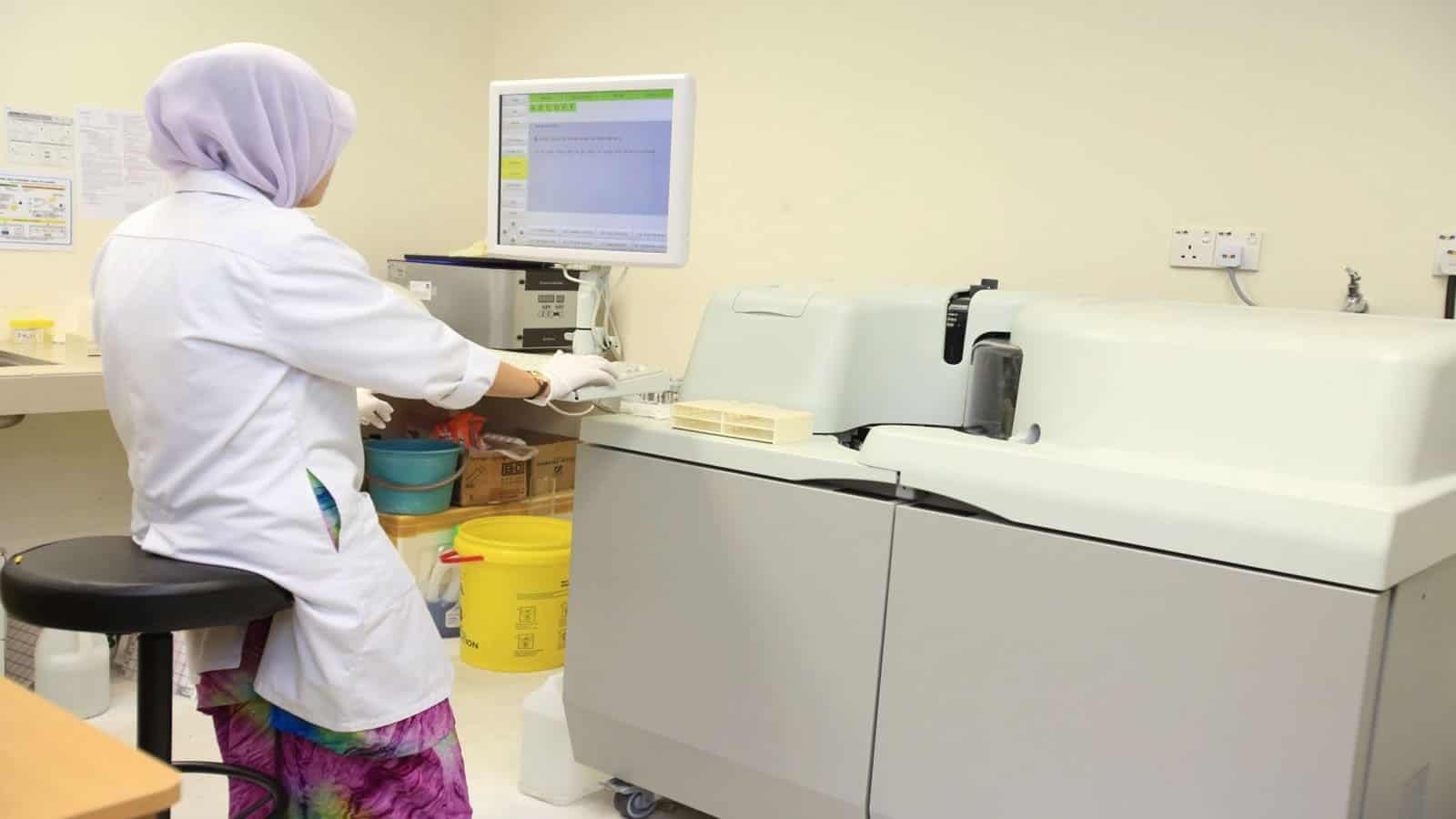
acute kidney injury Seremban — CMH Laboratory
CMH Laboratory: follow-up connects test findings with symptoms and response to treatment.

Preparing for an appointment about Acute kidney injury

For acute kidney injury, prepare a brief timeline: the first episode, the most recent episode, frequency, duration and any clear trigger. Note which home measures or prescribed treatments were tried, the dose and the response. Bring relevant reports and images rather than relying on memory. If symptoms come and go, a dated photograph, measurement or symptom diary may help the nephrology team understand what happens between visits.

When Acute kidney injury needs urgent assessment

Emergency assessment is needed for little or no urine, severe breathlessness, chest pain, confusion, seizures, persistent vomiting, severe dehydration or rapidly increasing swelling. Emergency symptoms require immediate attention even if a routine specialist visit is already arranged. These warning signs do not identify one diagnosis, but they can signal that waiting is unsafe. NKF: Understanding kidney function tests offers further authoritative background; local emergency instructions should take priority when symptoms are acute.

Frequently Asked Questions

Can acute kidney injury improve without specialist treatment?

Some short-lived or mild symptoms improve, but persistence, recurrence or loss of normal function changes the decision. Because acute kidney injury can have more than one cause, an examination is safer than repeatedly trying treatments without a diagnosis.

Does acute kidney injury always require a scan or procedure?

No. Tests are selected after the history and examination. Assessment looks for the cause through examination, medicine review, creatinine and electrolyte tests, urine testing and selective imaging. A scan, laboratory test or procedure is useful only when it is likely to clarify the cause or change management.

What should I record before a nephrology appointment?

For acute kidney injury, write down when the problem started, how often it occurs, what makes it better or worse, and how it affects sleep, work, school or exercise. Bring previous reports, a current medicine list, allergies and relevant family history so that changes can be assessed in context.

Which warning signs make acute kidney injury urgent?

Emergency assessment is needed for little or no urine, severe breathlessness, chest pain, confusion, seizures, persistent vomiting, severe dehydration or rapidly increasing swelling. When symptoms are severe, rapidly worsening or accompanied by collapse, breathing difficulty or a new neurological problem, use an emergency service rather than waiting for a routine appointment.

Who should assess acute kidney injury in Seremban?

The appropriate starting point for acute kidney injury depends on its pattern and urgency. CMH’s nephrology service can assess problems within this specialty, while emergency symptoms require immediate hospital care. If you are unsure where to start, contact the hospital and describe the main symptom and how quickly it developed.

Getting nephrology care in Seremban

For an individual assessment of acute kidney injury, visit the nephrology service at CMH Specialist Hospital. You can also contact CMH for appointment information. The clinician will decide whether observation, testing, treatment or referral is appropriate after reviewing the full history and examination.

Related CMH Articles

Conclusion

Acute kidney injury means kidney function worsens over hours or days. The important next step is to match the pace of care to the warning signs and to base treatment on a clinical diagnosis, not on one symptom alone. This article provides general health information and does not replace an examination, diagnosis or personalised advice from a qualified healthcare professional.


References

  1. NKF: Acute kidney injury
  2. NKF: Acute kidney injury patient guide
  3. NKF: Understanding kidney function tests

Medication Safety in Chronic Kidney Disease: Painkillers, Supplements and Contrast Dye

Medication Safety in Chronic Kidney Disease: Painkillers, Supplements and Contrast Dye

Kidney disease can change how medicines leave the body, while some painkillers, supplements and contrast agents may add kidney stress in particular circumstances. The aim is to help patients describe the problem clearly and recognise when faster care is needed. This guide explains the practical differences patients and families should recognise before seeking care in Seremban.

Non-steroidal anti-inflammatory drugs can reduce kidney blood flow, especially with dehydration or certain medicines. Herbal products are not automatically kidney-safe, and duplicate ingredients may be hidden in combination remedies. Symptoms should be interpreted with the person’s age, medical history, medicines and the way the problem has changed over time. A focused assessment is therefore more useful than judging the condition from a single symptom or online picture.

medication safety chronic kidney disease — kidney results consultation at CMH
kidney results consultation at CMH: the first step is matching the symptom pattern with an appropriate clinical assessment.

Key Takeaways

Key pointWhat it means
PatternKidney disease can change how medicines leave the body, while some painkillers, supplements and contrast agents may add kidney stress in particular circumstances.
Possible causesNon-steroidal anti-inflammatory drugs can reduce kidney blood flow, especially with dehydration or certain medicines.
AssessmentA nephrology or pharmacy review considers eGFR, potassium, other conditions and every prescribed, over-the-counter and traditional product.
TreatmentDo not stop essential medicines without advice.
Urgent helpSeek urgent care for very low urine output, severe vomiting or diarrhoea, confusion, breathing difficulty, rapidly increasing swelling or a suspected severe medicine reaction.

Why kidney function changes medicine handling

Non-steroidal anti-inflammatory drugs can reduce kidney blood flow, especially with dehydration or certain medicines. Herbal products are not automatically kidney-safe, and duplicate ingredients may be hidden in combination remedies. Write down the first episode, the most recent episode and anything that has clearly changed. The timing, side of the body, triggers, associated symptoms and effect on daily function help separate common explanations from conditions that need earlier review. Guidance from NKF: Safe medicine use with CKD supports looking at the whole clinical pattern rather than one isolated sign.

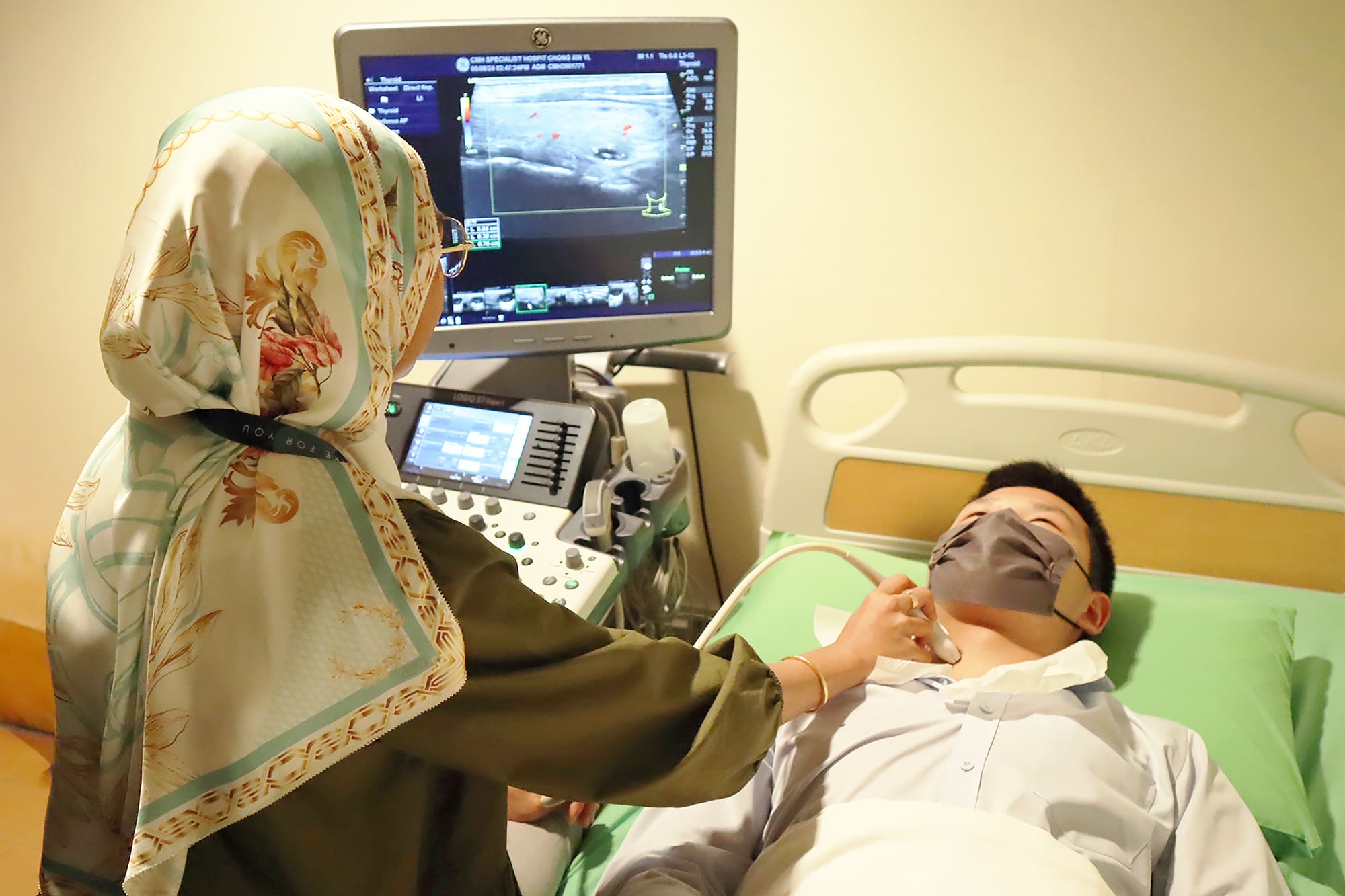
medication safety chronic kidney disease — kidney ultrasound at CMH
kidney ultrasound at CMH: investigations are chosen to answer a specific clinical question.

NSAIDs, supplements and hidden duplicate ingredients

A nephrology or pharmacy review considers eGFR, potassium, other conditions and every prescribed, over-the-counter and traditional product. Doses may need adjustment rather than automatic discontinuation. Bring relevant reports, scans and a complete list of prescribed and non-prescription products. A clinician may begin with simple observations and only add tests that can change the diagnosis or next step. NKF: Contrast dye and your kidneys provides additional patient guidance about the relevant assessment pathway.

Planning contrast imaging safely

Do not stop essential medicines without advice. Before scans or procedures, tell the team about kidney disease and ask whether current medicines, hydration or follow-up blood tests need special planning. Ask how progress will be measured and when the diagnosis or treatment plan should be reconsidered. The safest plan also considers other medical conditions, pregnancy where relevant, allergies, kidney or liver function, current medicines and patient preferences. Follow-up should state what improvement is expected and when the plan needs review.

medication safety chronic kidney disease — CMH ultrasound facility
CMH ultrasound facility: follow-up connects test findings with symptoms and response to treatment.

Preparing for an appointment about Medication safety chronic kidney disease

For medication safety chronic kidney disease, prepare a brief timeline: the first episode, the most recent episode, frequency, duration and any clear trigger. Note which home measures or prescribed treatments were tried, the dose and the response. Bring relevant reports and images rather than relying on memory. If symptoms come and go, a dated photograph, measurement or symptom diary may help the nephrology team understand what happens between visits.

When Medication safety chronic kidney disease needs urgent assessment

Seek urgent care for very low urine output, severe vomiting or diarrhoea, confusion, breathing difficulty, rapidly increasing swelling or a suspected severe medicine reaction. When in doubt about a serious warning sign, urgent clinical triage is safer than self-diagnosis. These warning signs do not identify one diagnosis, but they can signal that waiting is unsafe. NKF: Chronic kidney disease offers further authoritative background; local emergency instructions should take priority when symptoms are acute.

Frequently Asked Questions

Can medication safety chronic kidney disease improve without specialist treatment?

Some short-lived or mild symptoms improve, but persistence, recurrence or loss of normal function changes the decision. Because medication safety chronic kidney disease can have more than one cause, an examination is safer than repeatedly trying treatments without a diagnosis.

Does medication safety chronic kidney disease always require a scan or procedure?

No. Tests are selected after the history and examination. A nephrology or pharmacy review considers eGFR, potassium, other conditions and every prescribed, over-the-counter and traditional product. A scan, laboratory test or procedure is useful only when it is likely to clarify the cause or change management.

What should I record before a nephrology appointment?

For medication safety chronic kidney disease, write down when the problem started, how often it occurs, what makes it better or worse, and how it affects sleep, work, school or exercise. Bring previous reports, a current medicine list, allergies and relevant family history so that changes can be assessed in context.

Which warning signs make medication safety chronic kidney disease urgent?

Seek urgent care for very low urine output, severe vomiting or diarrhoea, confusion, breathing difficulty, rapidly increasing swelling or a suspected severe medicine reaction. When symptoms are severe, rapidly worsening or accompanied by collapse, breathing difficulty or a new neurological problem, use an emergency service rather than waiting for a routine appointment.

Who should assess medication safety chronic kidney disease in Seremban?

The appropriate starting point for medication safety chronic kidney disease depends on its pattern and urgency. CMH’s nephrology service can assess problems within this specialty, while emergency symptoms require immediate hospital care. If you are unsure where to start, contact the hospital and describe the main symptom and how quickly it developed.

Getting nephrology care in Seremban

For an individual assessment of medication safety chronic kidney disease, visit the nephrology service at CMH Specialist Hospital. You can also contact CMH for appointment information. The clinician will decide whether observation, testing, treatment or referral is appropriate after reviewing the full history and examination.

Related CMH Articles

Conclusion

Kidney disease can change how medicines leave the body, while some painkillers, supplements and contrast agents may add kidney stress in particular circumstances. The important next step is to match the pace of care to the warning signs and to base treatment on a clinical diagnosis, not on one symptom alone. This article provides general health information and does not replace an examination, diagnosis or personalised advice from a qualified healthcare professional.
References

  1. NKF: Safe medicine use with CKD
  2. NKF: Contrast dye and your kidneys
  3. NKF: Chronic kidney disease

High Cholesterol: When Lifestyle Changes May Not Be Enough

High Cholesterol: When Lifestyle Changes May Not Be Enough

Healthy eating, activity and smoking cessation are foundations of cardiovascular prevention, but medicine may still be recommended when overall risk remains high. A focused consultation can separate common causes from problems that should not be delayed. This guide explains the practical differences patients and families should recognise before seeking care in Seremban.

LDL cholesterol contributes to plaque formation over time. Treatment decisions also consider age, blood pressure, diabetes, kidney disease, smoking, family history and previous heart or stroke events. Symptoms should be interpreted with the person’s age, medical history, medicines and the way the problem has changed over time. A focused assessment is therefore more useful than judging the condition from a single symptom or online picture.

high cholesterol treatment Seremban — CMH cardiology service
CMH cardiology service: the first step is matching the symptom pattern with an appropriate clinical assessment.

Key Takeaways

Key pointWhat it means
PatternHealthy eating, activity and smoking cessation are foundations of cardiovascular prevention, but medicine may still be recommended when overall risk remains high.
Possible causesLDL cholesterol contributes to plaque formation over time.
AssessmentA clinician reviews a fasting or non-fasting lipid profile as appropriate, secondary causes, current medicines and long-term risk.
TreatmentMedication choice and intensity are individual.
Urgent helpCholesterol itself rarely causes emergency symptoms.

LDL cholesterol and long-term artery risk

LDL cholesterol contributes to plaque formation over time. Treatment decisions also consider age, blood pressure, diabetes, kidney disease, smoking, family history and previous heart or stroke events. Photographs or a dated symptom log may help when the finding comes and goes between appointments. The timing, side of the body, triggers, associated symptoms and effect on daily function help separate common explanations from conditions that need earlier review. Guidance from AHA: 2026 dyslipidaemia guideline summary supports looking at the whole clinical pattern rather than one isolated sign.

high cholesterol treatment Seremban — CMH Imaging Department
CMH Imaging Department: investigations are chosen to answer a specific clinical question.

How overall cardiovascular risk guides medication

A clinician reviews a fasting or non-fasting lipid profile as appropriate, secondary causes, current medicines and long-term risk. Very high levels or early family heart disease may suggest inherited cholesterol disorders. A family member may help recall the history, but the patient’s privacy and preferences remain central. A clinician may begin with simple observations and only add tests that can change the diagnosis or next step. AHA: Cholesterol guide provides additional patient guidance about the relevant assessment pathway.

What repeat blood tests help clinicians review

Medication choice and intensity are individual. Lifestyle remains important after medicine starts, and repeat testing checks response and adherence while side effects are discussed rather than ignored. Clarify the expected timeline, possible side effects and the signs that should prompt an earlier review. The safest plan also considers other medical conditions, pregnancy where relevant, allergies, kidney or liver function, current medicines and patient preferences. Follow-up should state what improvement is expected and when the plan needs review.

high cholesterol treatment Seremban — cardiology assessment at CMH
cardiology assessment at CMH: follow-up connects test findings with symptoms and response to treatment.

Preparing for an appointment about High cholesterol treatment

For high cholesterol treatment, prepare a brief timeline: the first episode, the most recent episode, frequency, duration and any clear trigger. Note which home measures or prescribed treatments were tried, the dose and the response. Bring relevant reports and images rather than relying on memory. If symptoms come and go, a dated photograph, measurement or symptom diary may help the cardiology team understand what happens between visits.

When High cholesterol treatment needs urgent assessment

Cholesterol itself rarely causes emergency symptoms. Call for urgent help for chest pressure, sudden weakness, speech difficulty or other signs of heart attack or stroke. If the pattern is clearly different from usual, seek timely medical assessment rather than waiting. These warning signs do not identify one diagnosis, but they can signal that waiting is unsafe. AHA: Prevention guideline hub offers further authoritative background; local emergency instructions should take priority when symptoms are acute.

Frequently Asked Questions

Can high cholesterol treatment improve without specialist treatment?

Some short-lived or mild symptoms improve, but persistence, recurrence or loss of normal function changes the decision. Because high cholesterol treatment can have more than one cause, an examination is safer than repeatedly trying treatments without a diagnosis.

Does high cholesterol treatment always require a scan or procedure?

No. Tests are selected after the history and examination. A clinician reviews a fasting or non-fasting lipid profile as appropriate, secondary causes, current medicines and long-term risk. A scan, laboratory test or procedure is useful only when it is likely to clarify the cause or change management.

What should I record before a cardiology appointment?

For high cholesterol treatment, write down when the problem started, how often it occurs, what makes it better or worse, and how it affects sleep, work, school or exercise. Bring previous reports, a current medicine list, allergies and relevant family history so that changes can be assessed in context.

Which warning signs make high cholesterol treatment urgent?

Cholesterol itself rarely causes emergency symptoms. When symptoms are severe, rapidly worsening or accompanied by collapse, breathing difficulty or a new neurological problem, use an emergency service rather than waiting for a routine appointment.

Who should assess high cholesterol treatment in Seremban?

The appropriate starting point for high cholesterol treatment depends on its pattern and urgency. CMH’s cardiology service can assess problems within this specialty, while emergency symptoms require immediate hospital care. If you are unsure where to start, contact the hospital and describe the main symptom and how quickly it developed.

Getting cardiology care in Seremban

For an individual assessment of high cholesterol treatment, visit the cardiology service at CMH Specialist Hospital. You can also contact CMH for appointment information. The clinician will decide whether observation, testing, treatment or referral is appropriate after reviewing the full history and examination.

Related CMH Articles

Conclusion

Healthy eating, activity and smoking cessation are foundations of cardiovascular prevention, but medicine may still be recommended when overall risk remains high. The important next step is to match the pace of care to the warning signs and to base treatment on a clinical diagnosis, not on one symptom alone. This article provides general health information and does not replace an examination, diagnosis or personalised advice from a qualified healthcare professional.

References

  1. AHA: 2026 dyslipidaemia guideline summary
  2. AHA: Cholesterol guide
  3. AHA: Prevention guideline hub

Echocardiogram Results: Ejection Fraction, Valves and Chamber Size

Echocardiogram Results: Ejection Fraction, Valves and Chamber Size

An echocardiogram uses ultrasound to examine heart structure and movement. Its measurements must be interpreted together, not reduced to one ejection-fraction number. Understanding the pattern helps a clinician decide which examination or test is useful. This guide explains the practical differences patients and families should recognise before seeking care in Seremban.

Ejection fraction estimates how much blood the left ventricle pumps with each beat. Reports also describe chamber dimensions, wall motion, valve narrowing or leakage, filling patterns and pressure estimates. Symptoms should be interpreted with the person’s age, medical history, medicines and the way the problem has changed over time. A focused assessment is therefore more useful than judging the condition from a single symptom or online picture.

echocardiogram results Seremban — echocardiogram at CMH
echocardiogram at CMH: the first step is matching the symptom pattern with an appropriate clinical assessment.

Key Takeaways

Key pointWhat it means
PatternAn echocardiogram uses ultrasound to examine heart structure and movement.
Possible causesEjection fraction estimates how much blood the left ventricle pumps with each beat.
AssessmentImage quality, body size, rhythm and measurement method can affect values.
TreatmentSome mild abnormalities need observation only, while others guide medicine, monitoring or procedures.
Urgent helpSeek urgent help for new severe breathlessness, chest pain, collapse, rapidly increasing swelling or symptoms that worsen suddenly while awaiting review.

What ejection fraction measures

Ejection fraction estimates how much blood the left ventricle pumps with each beat. Reports also describe chamber dimensions, wall motion, valve narrowing or leakage, filling patterns and pressure estimates. Before the visit, note associated symptoms and whether rest, meals, movement or medicines change the pattern. The timing, side of the body, triggers, associated symptoms and effect on daily function help separate common explanations from conditions that need earlier review. Guidance from AHA: Heart valve diagnosis and testing supports looking at the whole clinical pattern rather than one isolated sign.

echocardiogram results Seremban — treadmill assessment at CMH
treadmill assessment at CMH: investigations are chosen to answer a specific clinical question.

Valve findings, chamber size and wall motion

Image quality, body size, rhythm and measurement method can affect values. A cardiologist compares the report with symptoms, examination, ECG and previous studies to decide whether a finding is significant. If another clinic has already investigated the problem, organise those records by date for comparison. A clinician may begin with simple observations and only add tests that can change the diagnosis or next step. AHA: Understanding echocardiogram results provides additional patient guidance about the relevant assessment pathway.

Why one number never tells the whole story

Some mild abnormalities need observation only, while others guide medicine, monitoring or procedures. Ask which findings explain symptoms, which are incidental and when repeat imaging is appropriate. A written plan can help patients understand medicines, monitoring and the next appointment. The safest plan also considers other medical conditions, pregnancy where relevant, allergies, kidney or liver function, current medicines and patient preferences. Follow-up should state what improvement is expected and when the plan needs review.

echocardiogram results Seremban — ECG consultation at CMH
ECG consultation at CMH: follow-up connects test findings with symptoms and response to treatment.

Preparing for an appointment about Echocardiogram results

For echocardiogram results, prepare a brief timeline: the first episode, the most recent episode, frequency, duration and any clear trigger. Note which home measures or prescribed treatments were tried, the dose and the response. Bring relevant reports and images rather than relying on memory. If symptoms come and go, a dated photograph, measurement or symptom diary may help the cardiology team understand what happens between visits.

When Echocardiogram results needs urgent assessment

Seek urgent help for new severe breathlessness, chest pain, collapse, rapidly increasing swelling or symptoms that worsen suddenly while awaiting review. Severe or rapidly changing symptoms should be assessed through an emergency service, not a routine booking. These warning signs do not identify one diagnosis, but they can signal that waiting is unsafe. AHA: Ejection fraction offers further authoritative background; local emergency instructions should take priority when symptoms are acute.

Frequently Asked Questions

Can echocardiogram results improve without specialist treatment?

Some short-lived or mild symptoms improve, but persistence, recurrence or loss of normal function changes the decision. Because echocardiogram results can have more than one cause, an examination is safer than repeatedly trying treatments without a diagnosis.

Does echocardiogram results always require a scan or procedure?

No. Tests are selected after the history and examination. Image quality, body size, rhythm and measurement method can affect values. A scan, laboratory test or procedure is useful only when it is likely to clarify the cause or change management.

What should I record before a cardiology appointment?

For echocardiogram results, write down when the problem started, how often it occurs, what makes it better or worse, and how it affects sleep, work, school or exercise. Bring previous reports, a current medicine list, allergies and relevant family history so that changes can be assessed in context.

Which warning signs make echocardiogram results urgent?

Seek urgent help for new severe breathlessness, chest pain, collapse, rapidly increasing swelling or symptoms that worsen suddenly while awaiting review. When symptoms are severe, rapidly worsening or accompanied by collapse, breathing difficulty or a new neurological problem, use an emergency service rather than waiting for a routine appointment.

Who should assess echocardiogram results in Seremban?

The appropriate starting point for echocardiogram results depends on its pattern and urgency. CMH’s cardiology service can assess problems within this specialty, while emergency symptoms require immediate hospital care. If you are unsure where to start, contact the hospital and describe the main symptom and how quickly it developed.

Getting cardiology care in Seremban

For an individual assessment of echocardiogram results, visit the cardiology service at CMH Specialist Hospital. You can also contact CMH for appointment information. The clinician will decide whether observation, testing, treatment or referral is appropriate after reviewing the full history and examination.

Related CMH Articles

Conclusion

An echocardiogram uses ultrasound to examine heart structure and movement. The important next step is to match the pace of care to the warning signs and to base treatment on a clinical diagnosis, not on one symptom alone. This article provides general health information and does not replace an examination, diagnosis or personalised advice from a qualified healthcare professional.
References

  1. AHA: Heart valve diagnosis and testing
  2. AHA: Understanding echocardiogram results
  3. AHA: Ejection fraction

Heart Rhythm Monitoring: ECG, Holter and Event Monitors Explained

Heart Rhythm Monitoring: ECG, Holter and Event Monitors Explained

An ECG records the heart at one moment, while portable monitors extend recording to improve the chance of capturing intermittent palpitations or faint episodes. Here is how patients and families can prepare for an appropriate assessment in Seremban. This guide explains the practical differences patients and families should recognise before seeking care in Seremban.

A Holter monitor records continuously, usually for a day or longer. Event and patch monitors may be used over a longer period and can be triggered by symptoms or detect certain rhythms automatically. Symptoms should be interpreted with the person’s age, medical history, medicines and the way the problem has changed over time. A focused assessment is therefore more useful than judging the condition from a single symptom or online picture.

heart rhythm monitoring Seremban — cardiology assessment at CMH
cardiology assessment at CMH: the first step is matching the symptom pattern with an appropriate clinical assessment.

Key Takeaways

Key pointWhat it means
PatternAn ECG records the heart at one moment, while portable monitors extend recording to improve the chance of capturing intermittent palpitations or faint episodes.
Possible causesA Holter monitor records continuously, usually for a day or longer.
AssessmentThe cardiology team chooses a test based on symptom frequency, duration and risk.
TreatmentNormal monitoring is reassuring only for the period recorded; it does not explain every symptom.
Urgent helpEmergency assessment is needed for palpitations with fainting, persistent chest pain, severe breathlessness, new neurological symptoms or a sustained very fast or very slow heartbeat.

A resting ECG is only a short snapshot

A Holter monitor records continuously, usually for a day or longer. Event and patch monitors may be used over a longer period and can be triggered by symptoms or detect certain rhythms automatically. A short timeline noting frequency, severity and recent changes can make the consultation more useful. The timing, side of the body, triggers, associated symptoms and effect on daily function help separate common explanations from conditions that need earlier review. Guidance from AHA: Common tests for arrhythmia supports looking at the whole clinical pattern rather than one isolated sign.

heart rhythm monitoring Seremban — CMH cardiology service
CMH cardiology service: investigations are chosen to answer a specific clinical question.

Choosing between Holter, patch and event monitoring

The cardiology team chooses a test based on symptom frequency, duration and risk. Patients should keep a diary of activity, symptoms and time so recorded rhythms can be matched with what they felt. Prepare allergies, medical conditions and earlier treatment responses so they can be reviewed accurately. A clinician may begin with simple observations and only add tests that can change the diagnosis or next step. AHA: Cardiac event recorder provides additional patient guidance about the relevant assessment pathway.

Why an accurate symptom diary improves interpretation

Normal monitoring is reassuring only for the period recorded; it does not explain every symptom. Results may lead to reassurance, longer monitoring, medicine review or further heart testing. Follow-up is important when the response is incomplete or new symptoms appear. The safest plan also considers other medical conditions, pregnancy where relevant, allergies, kidney or liver function, current medicines and patient preferences. Follow-up should state what improvement is expected and when the plan needs review.

heart rhythm monitoring Seremban — CMH Imaging Department
CMH Imaging Department: follow-up connects test findings with symptoms and response to treatment.

Preparing for an appointment about Heart rhythm monitoring

For heart rhythm monitoring, prepare a brief timeline: the first episode, the most recent episode, frequency, duration and any clear trigger. Note which home measures or prescribed treatments were tried, the dose and the response. Bring relevant reports and images rather than relying on memory. If symptoms come and go, a dated photograph, measurement or symptom diary may help the cardiology team understand what happens between visits.

When Heart rhythm monitoring needs urgent assessment

Emergency assessment is needed for palpitations with fainting, persistent chest pain, severe breathlessness, new neurological symptoms or a sustained very fast or very slow heartbeat. Do not drive yourself when faint, severely breathless or affected by sudden neurological symptoms. These warning signs do not identify one diagnosis, but they can signal that waiting is unsafe. AHA: Electrocardiogram offers further authoritative background; local emergency instructions should take priority when symptoms are acute.

Frequently Asked Questions

Can heart rhythm monitoring improve without specialist treatment?

Some short-lived or mild symptoms improve, but persistence, recurrence or loss of normal function changes the decision. Because heart rhythm monitoring can have more than one cause, an examination is safer than repeatedly trying treatments without a diagnosis.

Does heart rhythm monitoring always require a scan or procedure?

No. Tests are selected after the history and examination. The cardiology team chooses a test based on symptom frequency, duration and risk. A scan, laboratory test or procedure is useful only when it is likely to clarify the cause or change management.

What should I record before a cardiology appointment?

For heart rhythm monitoring, write down when the problem started, how often it occurs, what makes it better or worse, and how it affects sleep, work, school or exercise. Bring previous reports, a current medicine list, allergies and relevant family history so that changes can be assessed in context.

Which warning signs make heart rhythm monitoring urgent?

Emergency assessment is needed for palpitations with fainting, persistent chest pain, severe breathlessness, new neurological symptoms or a sustained very fast or very slow heartbeat. When symptoms are severe, rapidly worsening or accompanied by collapse, breathing difficulty or a new neurological problem, use an emergency service rather than waiting for a routine appointment.

Who should assess heart rhythm monitoring in Seremban?

The appropriate starting point for heart rhythm monitoring depends on its pattern and urgency. CMH’s cardiology service can assess problems within this specialty, while emergency symptoms require immediate hospital care. If you are unsure where to start, contact the hospital and describe the main symptom and how quickly it developed.

Getting cardiology care in Seremban

For an individual assessment of heart rhythm monitoring, visit the cardiology service at CMH Specialist Hospital. You can also contact CMH for appointment information. The clinician will decide whether observation, testing, treatment or referral is appropriate after reviewing the full history and examination.

Related CMH Articles

Conclusion

An ECG records the heart at one moment, while portable monitors extend recording to improve the chance of capturing intermittent palpitations or faint episodes. The important next step is to match the pace of care to the warning signs and to base treatment on a clinical diagnosis, not on one symptom alone. This article provides general health information and does not replace an examination, diagnosis or personalised advice from a qualified healthcare professional.

References

  1. AHA: Common tests for arrhythmia
  2. AHA: Cardiac event recorder
  3. AHA: Electrocardiogram

Shortness of Breath on Exertion: When the Heart May Be Involved

Shortness of Breath on Exertion: When the Heart May Be Involved

Breathlessness during activity can come from the heart, lungs, blood, fitness level or several factors together. A change from a person’s usual capacity deserves assessment. The sections below outline practical next steps for patients considering specialist care in Seremban. This guide explains the practical differences patients and families should recognise before seeking care in Seremban.

Heart-related causes may reduce pumping efficiency or raise pressure in the lungs, sometimes with ankle swelling, fatigue, chest discomfort or breathlessness when lying flat. Anaemia, asthma and lung disease can produce similar symptoms. Symptoms should be interpreted with the person’s age, medical history, medicines and the way the problem has changed over time. A focused assessment is therefore more useful than judging the condition from a single symptom or online picture.

shortness of breath on exertion Seremban — ECG consultation at CMH
ECG consultation at CMH: the first step is matching the symptom pattern with an appropriate clinical assessment.

Key Takeaways

Key pointWhat it means
PatternBreathlessness during activity can come from the heart, lungs, blood, fitness level or several factors together.
Possible causesHeart-related causes may reduce pumping efficiency or raise pressure in the lungs, sometimes with ankle swelling, fatigue, chest discomfort or breathlessness when lying flat.
AssessmentAssessment may include oxygen level, blood pressure, heart and lung examination, ECG, blood tests, chest imaging or echocardiography.
TreatmentManagement is based on the diagnosis rather than breathlessness alone.
Urgent helpSeek emergency help for severe or sudden breathlessness, chest pressure, fainting, blue or grey colour, coughing blood, new weakness or symptoms occurring at rest.

Heart, lung, blood and fitness causes compared

Heart-related causes may reduce pumping efficiency or raise pressure in the lungs, sometimes with ankle swelling, fatigue, chest discomfort or breathlessness when lying flat. Anaemia, asthma and lung disease can produce similar symptoms. Record when symptoms begin, their duration, triggers and any effect on sleep or daily activity. The timing, side of the body, triggers, associated symptoms and effect on daily function help separate common explanations from conditions that need earlier review. Guidance from AHA: Heart failure signs and symptoms supports looking at the whole clinical pattern rather than one isolated sign.

shortness of breath on exertion Seremban — echocardiogram at CMH
echocardiogram at CMH: investigations are chosen to answer a specific clinical question.

Symptoms that point toward cardiac involvement

Assessment may include oxygen level, blood pressure, heart and lung examination, ECG, blood tests, chest imaging or echocardiography. The choice depends on onset, risk factors and associated findings. Previous test results and the names and doses of current medicines provide important context. A clinician may begin with simple observations and only add tests that can change the diagnosis or next step. AHA: Diagnosing heart failure provides additional patient guidance about the relevant assessment pathway.

How tests are selected from the clinical pattern

Management is based on the diagnosis rather than breathlessness alone. Bring a list of medicines and describe the exact distance, stairs or activity that triggers symptoms and how quickly recovery occurs. Confirm which changes are expected, which are not, and who to contact if symptoms worsen. The safest plan also considers other medical conditions, pregnancy where relevant, allergies, kidney or liver function, current medicines and patient preferences. Follow-up should state what improvement is expected and when the plan needs review.

shortness of breath on exertion Seremban — treadmill assessment at CMH
treadmill assessment at CMH: follow-up connects test findings with symptoms and response to treatment.

Preparing for an appointment about Shortness of breath on exertion

For shortness of breath on exertion, prepare a brief timeline: the first episode, the most recent episode, frequency, duration and any clear trigger. Note which home measures or prescribed treatments were tried, the dose and the response. Bring relevant reports and images rather than relying on memory. If symptoms come and go, a dated photograph, measurement or symptom diary may help the cardiology team understand what happens between visits.

When Shortness of breath on exertion needs urgent assessment

Seek emergency help for severe or sudden breathlessness, chest pressure, fainting, blue or grey colour, coughing blood, new weakness or symptoms occurring at rest. Emergency symptoms require immediate attention even if a routine specialist visit is already arranged. These warning signs do not identify one diagnosis, but they can signal that waiting is unsafe. AHA: Cardiomyopathy symptoms and diagnosis offers further authoritative background; local emergency instructions should take priority when symptoms are acute.

Frequently Asked Questions

Can shortness of breath on exertion improve without specialist treatment?

Some short-lived or mild symptoms improve, but persistence, recurrence or loss of normal function changes the decision. Because shortness of breath on exertion can have more than one cause, an examination is safer than repeatedly trying treatments without a diagnosis.

Does shortness of breath on exertion always require a scan or procedure?

No. Tests are selected after the history and examination. Assessment may include oxygen level, blood pressure, heart and lung examination, ECG, blood tests, chest imaging or echocardiography. A scan, laboratory test or procedure is useful only when it is likely to clarify the cause or change management.

What should I record before a cardiology appointment?

For shortness of breath on exertion, write down when the problem started, how often it occurs, what makes it better or worse, and how it affects sleep, work, school or exercise. Bring previous reports, a current medicine list, allergies and relevant family history so that changes can be assessed in context.

Which warning signs make shortness of breath on exertion urgent?

Seek emergency help for severe or sudden breathlessness, chest pressure, fainting, blue or grey colour, coughing blood, new weakness or symptoms occurring at rest. When symptoms are severe, rapidly worsening or accompanied by collapse, breathing difficulty or a new neurological problem, use an emergency service rather than waiting for a routine appointment.

Who should assess shortness of breath on exertion in Seremban?

The appropriate starting point for shortness of breath on exertion depends on its pattern and urgency. CMH’s cardiology service can assess problems within this specialty, while emergency symptoms require immediate hospital care. If you are unsure where to start, contact the hospital and describe the main symptom and how quickly it developed.

Getting cardiology care in Seremban

For an individual assessment of shortness of breath on exertion, visit the cardiology service at CMH Specialist Hospital. You can also contact CMH for appointment information. The clinician will decide whether observation, testing, treatment or referral is appropriate after reviewing the full history and examination.

Related CMH Articles

Conclusion

Breathlessness during activity can come from the heart, lungs, blood, fitness level or several factors together. The important next step is to match the pace of care to the warning signs and to base treatment on a clinical diagnosis, not on one symptom alone. This article provides general health information and does not replace an examination, diagnosis or personalised advice from a qualified healthcare professional.

References

  1. AHA: Heart failure signs and symptoms
  2. AHA: Diagnosing heart failure
  3. AHA: Cardiomyopathy symptoms and diagnosis

Poor Weight Gain in Children: What Doctors Assess

Poor Weight Gain in Children: What Doctors Assess

Poor weight gain is identified from a child’s growth trend, not from comparing one child with a sibling or relying on a single measurement. The aim is to help patients describe the problem clearly and recognise when faster care is needed. This guide explains the practical differences patients and families should recognise before seeking care in Seremban.

Causes range from feeding difficulty and insufficient intake to gastrointestinal, heart, lung, endocrine or chronic inflammatory conditions. Genetics and normal variation also influence size, so context matters. Symptoms should be interpreted with the person’s age, medical history, medicines and the way the problem has changed over time. A focused assessment is therefore more useful than judging the condition from a single symptom or online picture.

poor weight gain child Seremban — CMH child-friendly ward
CMH child-friendly ward: the first step is matching the symptom pattern with an appropriate clinical assessment.

Key Takeaways

Key pointWhat it means
PatternPoor weight gain is identified from a child’s growth trend, not from comparing one child with a sibling or relying on a single measurement.
Possible causesCauses range from feeding difficulty and insufficient intake to gastrointestinal, heart, lung, endocrine or chronic inflammatory conditions.
AssessmentA paediatric assessment reviews birth history, feeding, stools, vomiting, development, illnesses and family growth patterns.
TreatmentManagement targets the cause and may involve feeding observation, dietetic support, treatment of an underlying condition and scheduled growth checks.
Urgent helpPrompt care is needed for dehydration, persistent vomiting, breathing difficulty during feeds, blood in stool, severe lethargy, swelling or rapid crossing down of growth measurements.

Why the growth trend matters more than one weight

Causes range from feeding difficulty and insufficient intake to gastrointestinal, heart, lung, endocrine or chronic inflammatory conditions. Genetics and normal variation also influence size, so context matters. Write down the first episode, the most recent episode and anything that has clearly changed. The timing, side of the body, triggers, associated symptoms and effect on daily function help separate common explanations from conditions that need earlier review. Guidance from WHO: Child growth standards supports looking at the whole clinical pattern rather than one isolated sign.

poor weight gain child Seremban — CMH children’s ward
CMH children’s ward: investigations are chosen to answer a specific clinical question.

Feeding, absorption and medical causes

A paediatric assessment reviews birth history, feeding, stools, vomiting, development, illnesses and family growth patterns. Accurate weight and length or height are plotted over time using appropriate growth standards. Bring relevant reports, scans and a complete list of prescribed and non-prescription products. A clinician may begin with simple observations and only add tests that can change the diagnosis or next step. WHO: Weight-for-age charts provides additional patient guidance about the relevant assessment pathway.

How growth and development are reviewed together

Management targets the cause and may involve feeding observation, dietetic support, treatment of an underlying condition and scheduled growth checks. Restrictive or high-calorie diets should not be started without age-appropriate advice. Ask how progress will be measured and when the diagnosis or treatment plan should be reconsidered. The safest plan also considers other medical conditions, pregnancy where relevant, allergies, kidney or liver function, current medicines and patient preferences. Follow-up should state what improvement is expected and when the plan needs review.

poor weight gain child Seremban — CMH family paediatric area
CMH family paediatric area: follow-up connects test findings with symptoms and response to treatment.

Preparing for an appointment about Poor weight gain child

For poor weight gain child, prepare a brief timeline: the first episode, the most recent episode, frequency, duration and any clear trigger. Note which home measures or prescribed treatments were tried, the dose and the response. Bring relevant reports and images rather than relying on memory. If symptoms come and go, a dated photograph, measurement or symptom diary may help the paediatrics team understand what happens between visits.

When Poor weight gain child needs urgent assessment

Prompt care is needed for dehydration, persistent vomiting, breathing difficulty during feeds, blood in stool, severe lethargy, swelling or rapid crossing down of growth measurements. When in doubt about a serious warning sign, urgent clinical triage is safer than self-diagnosis. These warning signs do not identify one diagnosis, but they can signal that waiting is unsafe. WHO: Child growth overview offers further authoritative background; local emergency instructions should take priority when symptoms are acute.

Frequently Asked Questions

Can poor weight gain child improve without specialist treatment?

Some short-lived or mild symptoms improve, but persistence, recurrence or loss of normal function changes the decision. Because poor weight gain child can have more than one cause, an examination is safer than repeatedly trying treatments without a diagnosis.

Does poor weight gain child always require a scan or procedure?

No. Tests are selected after the history and examination. A paediatric assessment reviews birth history, feeding, stools, vomiting, development, illnesses and family growth patterns. A scan, laboratory test or procedure is useful only when it is likely to clarify the cause or change management.

What should I record before a paediatrics appointment?

For poor weight gain child, write down when the problem started, how often it occurs, what makes it better or worse, and how it affects sleep, work, school or exercise. Bring previous reports, a current medicine list, allergies and relevant family history so that changes can be assessed in context.

Which warning signs make poor weight gain child urgent?

Prompt care is needed for dehydration, persistent vomiting, breathing difficulty during feeds, blood in stool, severe lethargy, swelling or rapid crossing down of growth measurements. When symptoms are severe, rapidly worsening or accompanied by collapse, breathing difficulty or a new neurological problem, use an emergency service rather than waiting for a routine appointment.

Who should assess poor weight gain child in Seremban?

The appropriate starting point for poor weight gain child depends on its pattern and urgency. CMH’s paediatrics service can assess problems within this specialty, while emergency symptoms require immediate hospital care. If you are unsure where to start, contact the hospital and describe the main symptom and how quickly it developed.

Getting paediatrics care in Seremban

For an individual assessment of poor weight gain child, visit the paediatrics service at CMH Specialist Hospital. You can also contact CMH for appointment information. The clinician will decide whether observation, testing, treatment or referral is appropriate after reviewing the full history and examination.

Related CMH Articles

Conclusion

Poor weight gain is identified from a child’s growth trend, not from comparing one child with a sibling or relying on a single measurement. The important next step is to match the pace of care to the warning signs and to base treatment on a clinical diagnosis, not on one symptom alone. This article provides general health information and does not replace an examination, diagnosis or personalised advice from a qualified healthcare professional.

References

  1. WHO: Child growth standards
  2. WHO: Weight-for-age charts
  3. WHO: Child growth overview

Childhood Asthma: Diagnosis, Inhaler Treatment and Action Plans

Childhood Asthma: Diagnosis, Inhaler Treatment and Action Plans

Childhood asthma can cause recurrent wheeze, cough, chest tightness or breathlessness, but not every noisy breath in a young child is asthma. A focused consultation can separate common causes from problems that should not be delayed. This guide explains the practical differences patients and families should recognise before seeking care in Seremban.

Symptoms that vary over time, worsen at night, follow exercise or occur with allergens support the possibility. Viral wheeze, infection, reflux and airway problems can look similar, particularly in preschool children. Symptoms should be interpreted with the person’s age, medical history, medicines and the way the problem has changed over time. A focused assessment is therefore more useful than judging the condition from a single symptom or online picture.

childhood asthma treatment Seremban — CMH paediatric care area
CMH paediatric care area: the first step is matching the symptom pattern with an appropriate clinical assessment.

Key Takeaways

Key pointWhat it means
PatternChildhood asthma can cause recurrent wheeze, cough, chest tightness or breathlessness, but not every noisy breath in a young child is asthma.
Possible causesSymptoms that vary over time, worsen at night, follow exercise or occur with allergens support the possibility.
AssessmentAssessment includes symptom patterns, family history, triggers, examination and age-appropriate breathing tests.
TreatmentCorrect inhaler and spacer technique is essential.
Urgent helpEmergency help is needed if a child struggles to speak or walk, has marked chest pulling, turns blue or grey, becomes exhausted, or does not improve with the prescribed reliever plan.

Recurrent wheeze is not always asthma

Symptoms that vary over time, worsen at night, follow exercise or occur with allergens support the possibility. Viral wheeze, infection, reflux and airway problems can look similar, particularly in preschool children. Photographs or a dated symptom log may help when the finding comes and goes between appointments. The timing, side of the body, triggers, associated symptoms and effect on daily function help separate common explanations from conditions that need earlier review. Guidance from CDC: Living with asthma supports looking at the whole clinical pattern rather than one isolated sign.

childhood asthma treatment Seremban — CMH paediatric facilities
CMH paediatric facilities: investigations are chosen to answer a specific clinical question.

How age affects asthma testing

Assessment includes symptom patterns, family history, triggers, examination and age-appropriate breathing tests. Response to treatment and follow-up over time can be part of confirming the diagnosis. A family member may help recall the history, but the patient’s privacy and preferences remain central. A clinician may begin with simple observations and only add tests that can change the diagnosis or next step. CDC: Asthma action plan provides additional patient guidance about the relevant assessment pathway.

Inhaler technique and the written action plan

Correct inhaler and spacer technique is essential. A written asthma action plan should explain daily treatment, signs of worsening, reliever use and when family or school carers should seek help. Clarify the expected timeline, possible side effects and the signs that should prompt an earlier review. The safest plan also considers other medical conditions, pregnancy where relevant, allergies, kidney or liver function, current medicines and patient preferences. Follow-up should state what improvement is expected and when the plan needs review.

childhood asthma treatment Seremban — CMH paediatric inpatient area
CMH paediatric inpatient area: follow-up connects test findings with symptoms and response to treatment.

Preparing for an appointment about Childhood asthma treatment

For childhood asthma treatment, prepare a brief timeline: the first episode, the most recent episode, frequency, duration and any clear trigger. Note which home measures or prescribed treatments were tried, the dose and the response. Bring relevant reports and images rather than relying on memory. If symptoms come and go, a dated photograph, measurement or symptom diary may help the paediatrics team understand what happens between visits.

When Childhood asthma treatment needs urgent assessment

Emergency help is needed if a child struggles to speak or walk, has marked chest pulling, turns blue or grey, becomes exhausted, or does not improve with the prescribed reliever plan. If the pattern is clearly different from usual, seek timely medical assessment rather than waiting. These warning signs do not identify one diagnosis, but they can signal that waiting is unsafe. NHLBI: Asthma offers further authoritative background; local emergency instructions should take priority when symptoms are acute.

Frequently Asked Questions

Can childhood asthma treatment improve without specialist treatment?

Some short-lived or mild symptoms improve, but persistence, recurrence or loss of normal function changes the decision. Because childhood asthma treatment can have more than one cause, an examination is safer than repeatedly trying treatments without a diagnosis.

Does childhood asthma treatment always require a scan or procedure?

No. Tests are selected after the history and examination. Assessment includes symptom patterns, family history, triggers, examination and age-appropriate breathing tests. A scan, laboratory test or procedure is useful only when it is likely to clarify the cause or change management.

What should I record before a paediatrics appointment?

For childhood asthma treatment, write down when the problem started, how often it occurs, what makes it better or worse, and how it affects sleep, work, school or exercise. Bring previous reports, a current medicine list, allergies and relevant family history so that changes can be assessed in context.

Which warning signs make childhood asthma treatment urgent?

Emergency help is needed if a child struggles to speak or walk, has marked chest pulling, turns blue or grey, becomes exhausted, or does not improve with the prescribed reliever plan. When symptoms are severe, rapidly worsening or accompanied by collapse, breathing difficulty or a new neurological problem, use an emergency service rather than waiting for a routine appointment.

Who should assess childhood asthma treatment in Seremban?

The appropriate starting point for childhood asthma treatment depends on its pattern and urgency. CMH’s paediatrics service can assess problems within this specialty, while emergency symptoms require immediate hospital care. If you are unsure where to start, contact the hospital and describe the main symptom and how quickly it developed.

Getting paediatrics care in Seremban

For an individual assessment of childhood asthma treatment, visit the paediatrics service at CMH Specialist Hospital. You can also contact CMH for appointment information. The clinician will decide whether observation, testing, treatment or referral is appropriate after reviewing the full history and examination.

Related CMH Articles

Conclusion

Childhood asthma can cause recurrent wheeze, cough, chest tightness or breathlessness, but not every noisy breath in a young child is asthma. The important next step is to match the pace of care to the warning signs and to base treatment on a clinical diagnosis, not on one symptom alone. This article provides general health information and does not replace an examination, diagnosis or personalised advice from a qualified healthcare professional.

References

  1. CDC: Living with asthma
  2. CDC: Asthma action plan
  3. NHLBI: Asthma

Fever in Children: When Home Monitoring Is Safe and When to Seek Care

Fever in Children: When Home Monitoring Is Safe and When to Seek Care

A fever is often part of the immune response to infection, but the child’s age, breathing, hydration and behaviour are more important than one number alone. Understanding the pattern helps a clinician decide which examination or test is useful. This guide explains the practical differences patients and families should recognise before seeking care in Seremban.

Children who are alert, drinking, passing urine and breathing comfortably can often be monitored with fluids and rest. Very young babies and children with chronic illness or reduced immunity need a lower threshold for medical advice. Symptoms should be interpreted with the person’s age, medical history, medicines and the way the problem has changed over time. A focused assessment is therefore more useful than judging the condition from a single symptom or online picture.

fever in children Seremban — CMH Paediatric Ward
CMH Paediatric Ward: the first step is matching the symptom pattern with an appropriate clinical assessment.

Key Takeaways

Key pointWhat it means
PatternA fever is often part of the immune response to infection, but the child’s age, breathing, hydration and behaviour are more important than one number alone.
Possible causesChildren who are alert, drinking, passing urine and breathing comfortably can often be monitored with fluids and rest.
AssessmentUse a reliable thermometer and record the temperature, medicines and fluid intake.
TreatmentGive only age-appropriate medicine at the correct dose and avoid aspirin in children.
Urgent helpUrgent care is needed for a baby under three months with 38°C or higher, breathing difficulty, a non-blanching rash, seizure, severe dehydration, unusual drowsiness or a child who appears seriously unwell.

The child’s behaviour matters more than one number

Children who are alert, drinking, passing urine and breathing comfortably can often be monitored with fluids and rest. Very young babies and children with chronic illness or reduced immunity need a lower threshold for medical advice. Before the visit, note associated symptoms and whether rest, meals, movement or medicines change the pattern. The timing, side of the body, triggers, associated symptoms and effect on daily function help separate common explanations from conditions that need earlier review. Guidance from American Academy of Pediatrics: Fever — when to call supports looking at the whole clinical pattern rather than one isolated sign.

fever in children Seremban — CMH child-friendly ward
CMH child-friendly ward: investigations are chosen to answer a specific clinical question.

Age-specific fever warning signs

Use a reliable thermometer and record the temperature, medicines and fluid intake. A clinician may examine the ears, throat, lungs, skin and abdomen, with tests guided by age and findings rather than ordered automatically. If another clinic has already investigated the problem, organise those records by date for comparison. A clinician may begin with simple observations and only add tests that can change the diagnosis or next step. American Academy of Pediatrics: Fever guidance provides additional patient guidance about the relevant assessment pathway.

Hydration, comfort and safe home observation

Give only age-appropriate medicine at the correct dose and avoid aspirin in children. Do not use cold baths or excessive undressing; monitor for new symptoms and follow professional instructions. A written plan can help patients understand medicines, monitoring and the next appointment. The safest plan also considers other medical conditions, pregnancy where relevant, allergies, kidney or liver function, current medicines and patient preferences. Follow-up should state what improvement is expected and when the plan needs review.

fever in children Seremban — CMH children’s ward
CMH children’s ward: follow-up connects test findings with symptoms and response to treatment.

Preparing for an appointment about Fever in children

For fever in children, prepare a brief timeline: the first episode, the most recent episode, frequency, duration and any clear trigger. Note which home measures or prescribed treatments were tried, the dose and the response. Bring relevant reports and images rather than relying on memory. If symptoms come and go, a dated photograph, measurement or symptom diary may help the paediatrics team understand what happens between visits.

When Fever in children needs urgent assessment

Urgent care is needed for a baby under three months with 38°C or higher, breathing difficulty, a non-blanching rash, seizure, severe dehydration, unusual drowsiness or a child who appears seriously unwell. Severe or rapidly changing symptoms should be assessed through an emergency service, not a routine booking. These warning signs do not identify one diagnosis, but they can signal that waiting is unsafe. American Academy of Pediatrics: Urgent care, ER or paediatrician offers further authoritative background; local emergency instructions should take priority when symptoms are acute.

Frequently Asked Questions

Can fever in children improve without specialist treatment?

Some short-lived or mild symptoms improve, but persistence, recurrence or loss of normal function changes the decision. Because fever in children can have more than one cause, an examination is safer than repeatedly trying treatments without a diagnosis.

Does fever in children always require a scan or procedure?

No. Tests are selected after the history and examination. Use a reliable thermometer and record the temperature, medicines and fluid intake. A scan, laboratory test or procedure is useful only when it is likely to clarify the cause or change management.

What should I record before a paediatrics appointment?

For fever in children, write down when the problem started, how often it occurs, what makes it better or worse, and how it affects sleep, work, school or exercise. Bring previous reports, a current medicine list, allergies and relevant family history so that changes can be assessed in context.

Which warning signs make fever in children urgent?

Urgent care is needed for a baby under three months with 38°C or higher, breathing difficulty, a non-blanching rash, seizure, severe dehydration, unusual drowsiness or a child who appears seriously unwell. When symptoms are severe, rapidly worsening or accompanied by collapse, breathing difficulty or a new neurological problem, use an emergency service rather than waiting for a routine appointment.

Who should assess fever in children in Seremban?

The appropriate starting point for fever in children depends on its pattern and urgency. CMH’s paediatrics service can assess problems within this specialty, while emergency symptoms require immediate hospital care. If you are unsure where to start, contact the hospital and describe the main symptom and how quickly it developed.

Getting paediatrics care in Seremban

For an individual assessment of fever in children, visit the paediatrics service at CMH Specialist Hospital. You can also contact CMH for appointment information. The clinician will decide whether observation, testing, treatment or referral is appropriate after reviewing the full history and examination.

Related CMH Articles

Conclusion

A fever is often part of the immune response to infection, but the child’s age, breathing, hydration and behaviour are more important than one number alone. The important next step is to match the pace of care to the warning signs and to base treatment on a clinical diagnosis, not on one symptom alone. This article provides general health information and does not replace an examination, diagnosis or personalised advice from a qualified healthcare professional.

References

  1. American Academy of Pediatrics: Fever — when to call
  2. American Academy of Pediatrics: Fever guidance
  3. American Academy of Pediatrics: Urgent care, ER or paediatrician

Glaucoma Screening: Why Eye Pressure Alone Is Not Enough

Glaucoma Screening: Why Eye Pressure Alone Is Not Enough

Glaucoma can damage the optic nerve gradually, and some people develop it despite eye pressure readings within the usual range. Here is how patients and families can prepare for an appropriate assessment in Seremban. This guide explains the practical differences patients and families should recognise before seeking care in Seremban.

Risk is influenced by age, family history, eye anatomy, short-sightedness, steroid exposure and certain medical conditions. Many chronic cases have no early symptoms, which is why risk-based examination matters. Symptoms should be interpreted with the person’s age, medical history, medicines and the way the problem has changed over time. A focused assessment is therefore more useful than judging the condition from a single symptom or online picture.

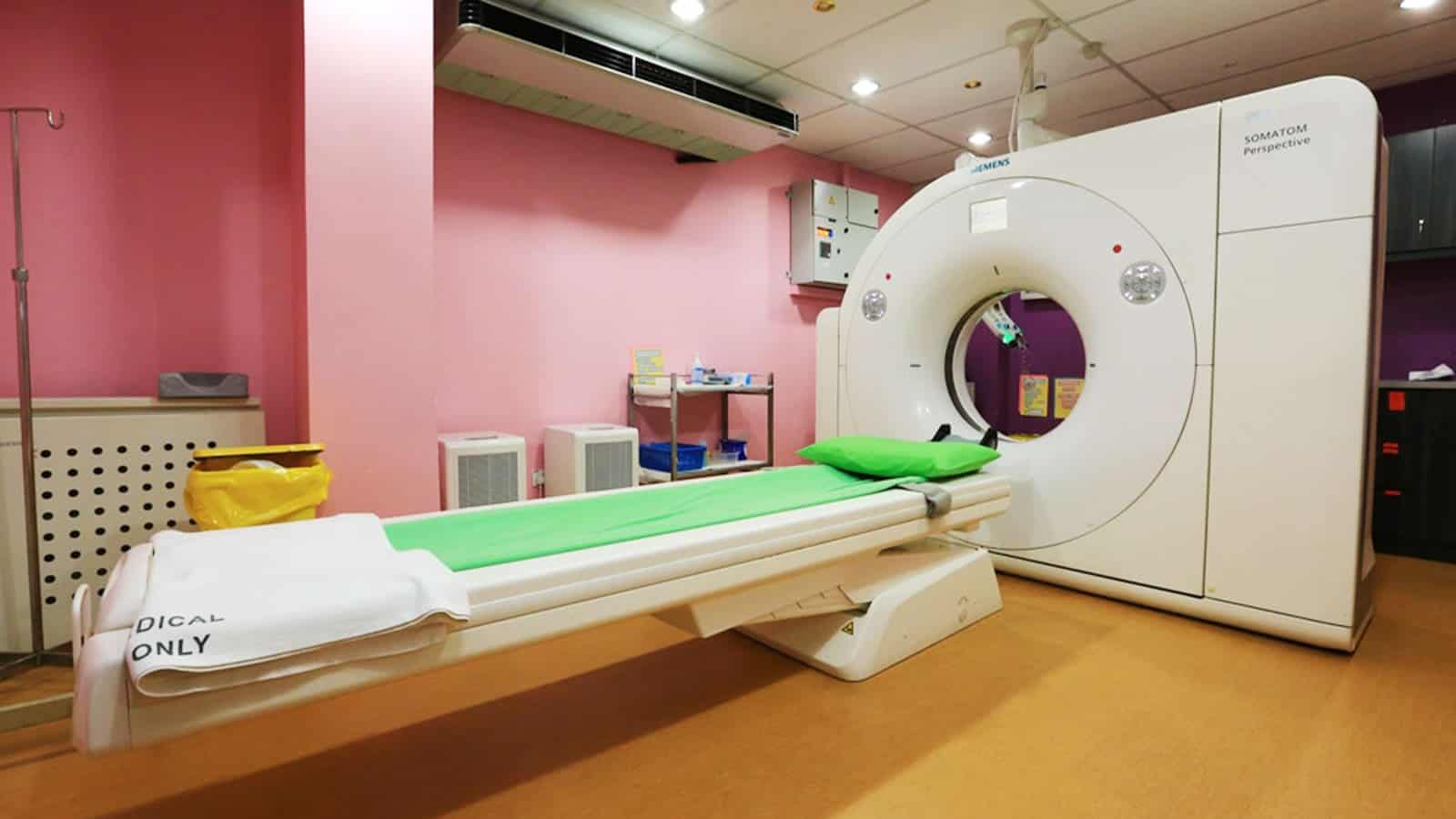
glaucoma screening Seremban — CMH CT scanner
CMH CT scanner: the first step is matching the symptom pattern with an appropriate clinical assessment.

Key Takeaways

Key pointWhat it means
PatternGlaucoma can damage the optic nerve gradually, and some people develop it despite eye pressure readings within the usual range.
Possible causesRisk is influenced by age, family history, eye anatomy, short-sightedness, steroid exposure and certain medical conditions.
AssessmentA comprehensive assessment may include pressure measurement, optic-nerve examination, visual-field testing, corneal thickness and drainage-angle evaluation.
TreatmentIf glaucoma is diagnosed, eye drops, laser treatment or surgery may be used to lower risk of further damage.
Urgent helpSevere eye pain, headache, a red eye, blurred vision, coloured halos, nausea or vomiting can signal acute angle closure and requires urgent care.

Eye pressure is one risk marker, not the diagnosis

Risk is influenced by age, family history, eye anatomy, short-sightedness, steroid exposure and certain medical conditions. Many chronic cases have no early symptoms, which is why risk-based examination matters. A short timeline noting frequency, severity and recent changes can make the consultation more useful. The timing, side of the body, triggers, associated symptoms and effect on daily function help separate common explanations from conditions that need earlier review. Guidance from NEI: Glaucoma and eye pressure supports looking at the whole clinical pattern rather than one isolated sign.

glaucoma screening Seremban — CMH diagnostic imaging area
CMH diagnostic imaging area: investigations are chosen to answer a specific clinical question.

Optic nerve and visual-field testing explained

A comprehensive assessment may include pressure measurement, optic-nerve examination, visual-field testing, corneal thickness and drainage-angle evaluation. One pressure reading cannot show the full pattern or existing nerve damage. Prepare allergies, medical conditions and earlier treatment responses so they can be reviewed accurately. A clinician may begin with simple observations and only add tests that can change the diagnosis or next step. NEI: Glaucoma provides additional patient guidance about the relevant assessment pathway.

Who may need closer glaucoma surveillance

If glaucoma is diagnosed, eye drops, laser treatment or surgery may be used to lower risk of further damage. Regular follow-up checks whether pressure and structural or field measurements remain stable. Follow-up is important when the response is incomplete or new symptoms appear. The safest plan also considers other medical conditions, pregnancy where relevant, allergies, kidney or liver function, current medicines and patient preferences. Follow-up should state what improvement is expected and when the plan needs review.

glaucoma screening Seremban — eyesight assessment
eyesight assessment: follow-up connects test findings with symptoms and response to treatment.

Preparing for an appointment about Glaucoma screening

For glaucoma screening, prepare a brief timeline: the first episode, the most recent episode, frequency, duration and any clear trigger. Note which home measures or prescribed treatments were tried, the dose and the response. Bring relevant reports and images rather than relying on memory. If symptoms come and go, a dated photograph, measurement or symptom diary may help the ophthalmology team understand what happens between visits.

When Glaucoma screening needs urgent assessment

Severe eye pain, headache, a red eye, blurred vision, coloured halos, nausea or vomiting can signal acute angle closure and requires urgent care. Do not drive yourself when faint, severely breathless or affected by sudden neurological symptoms. These warning signs do not identify one diagnosis, but they can signal that waiting is unsafe. NEI: Detection of glaucoma offers further authoritative background; local emergency instructions should take priority when symptoms are acute.

Frequently Asked Questions

Can glaucoma screening improve without specialist treatment?

Some short-lived or mild symptoms improve, but persistence, recurrence or loss of normal function changes the decision. Because glaucoma screening can have more than one cause, an examination is safer than repeatedly trying treatments without a diagnosis.

Does glaucoma screening always require a scan or procedure?

No. Tests are selected after the history and examination. A comprehensive assessment may include pressure measurement, optic-nerve examination, visual-field testing, corneal thickness and drainage-angle evaluation. A scan, laboratory test or procedure is useful only when it is likely to clarify the cause or change management.

What should I record before a ophthalmology appointment?

For glaucoma screening, write down when the problem started, how often it occurs, what makes it better or worse, and how it affects sleep, work, school or exercise. Bring previous reports, a current medicine list, allergies and relevant family history so that changes can be assessed in context.

Which warning signs make glaucoma screening urgent?

Severe eye pain, headache, a red eye, blurred vision, coloured halos, nausea or vomiting can signal acute angle closure and requires urgent care. When symptoms are severe, rapidly worsening or accompanied by collapse, breathing difficulty or a new neurological problem, use an emergency service rather than waiting for a routine appointment.

Who should assess glaucoma screening in Seremban?

The appropriate starting point for glaucoma screening depends on its pattern and urgency. CMH’s ophthalmology service can assess problems within this specialty, while emergency symptoms require immediate hospital care. If you are unsure where to start, contact the hospital and describe the main symptom and how quickly it developed.

Getting ophthalmology care in Seremban

For an individual assessment of glaucoma screening, visit the ophthalmology service at CMH Specialist Hospital. You can also contact CMH for appointment information. The clinician will decide whether observation, testing, treatment or referral is appropriate after reviewing the full history and examination.

Related CMH Articles

Conclusion

Glaucoma can damage the optic nerve gradually, and some people develop it despite eye pressure readings within the usual range. The important next step is to match the pace of care to the warning signs and to base treatment on a clinical diagnosis, not on one symptom alone. This article provides general health information and does not replace an examination, diagnosis or personalised advice from a qualified healthcare professional.

References

  1. NEI: Glaucoma and eye pressure
  2. NEI: Glaucoma
  3. NEI: Detection of glaucoma