
Anxiety That Disrupts Daily Life: When to Seek Professional Help
Anxiety becomes a health concern when worry, physical tension or avoidance repeatedly interferes with sleep, work, study, relationships or self-care. Understanding the pattern helps a clinician decide which examination or test is useful. This guide explains the practical differences patients and families should recognise before seeking care in Seremban.
Symptoms can include racing thoughts, poor concentration, palpitations, sweating, breathlessness, stomach upset and a sense of danger. Thyroid problems, heart rhythm disorders, medicines and substance use can sometimes mimic or worsen anxiety. Symptoms should be interpreted with the person’s age, medical history, medicines and the way the problem has changed over time. A focused assessment is therefore more useful than judging the condition from a single symptom or online picture.

Key Takeaways
| Key point | What it means |
|---|---|
| Pattern | Anxiety becomes a health concern when worry, physical tension or avoidance repeatedly interferes with sleep, work, study, relationships or self-care. |
| Possible causes | Symptoms can include racing thoughts, poor concentration, palpitations, sweating, breathlessness, stomach upset and a sense of danger. |
| Assessment | A mental-health assessment explores symptoms, triggers, duration, medical history, safety and the effect on daily function. |
| Treatment | Care may include education, psychological therapy, practical routines and medication when appropriate. |
| Urgent help | Seek immediate help if anxiety is accompanied by thoughts of self-harm, inability to stay safe, severe confusion, collapse, new chest pain or breathing symptoms that may have a medical cause. |
When normal worry becomes a health problem
Symptoms can include racing thoughts, poor concentration, palpitations, sweating, breathlessness, stomach upset and a sense of danger. Thyroid problems, heart rhythm disorders, medicines and substance use can sometimes mimic or worsen anxiety. Before the visit, note associated symptoms and whether rest, meals, movement or medicines change the pattern. The timing, side of the body, triggers, associated symptoms and effect on daily function help separate common explanations from conditions that need earlier review. Guidance from NIMH: Anxiety disorders supports looking at the whole clinical pattern rather than one isolated sign.

How physical symptoms and avoidance are assessed
A mental-health assessment explores symptoms, triggers, duration, medical history, safety and the effect on daily function. Screening questionnaires can support the conversation but do not replace a personalised clinical evaluation. If another clinic has already investigated the problem, organise those records by date for comparison. A clinician may begin with simple observations and only add tests that can change the diagnosis or next step. NIMH: My mental health — do I need help? provides additional patient guidance about the relevant assessment pathway.
Therapy, medicines and shared decision-making
Care may include education, psychological therapy, practical routines and medication when appropriate. Treatment is collaborative, and progress is usually reviewed over time rather than judged after one difficult day. A written plan can help patients understand medicines, monitoring and the next appointment. The safest plan also considers other medical conditions, pregnancy where relevant, allergies, kidney or liver function, current medicines and patient preferences. Follow-up should state what improvement is expected and when the plan needs review.
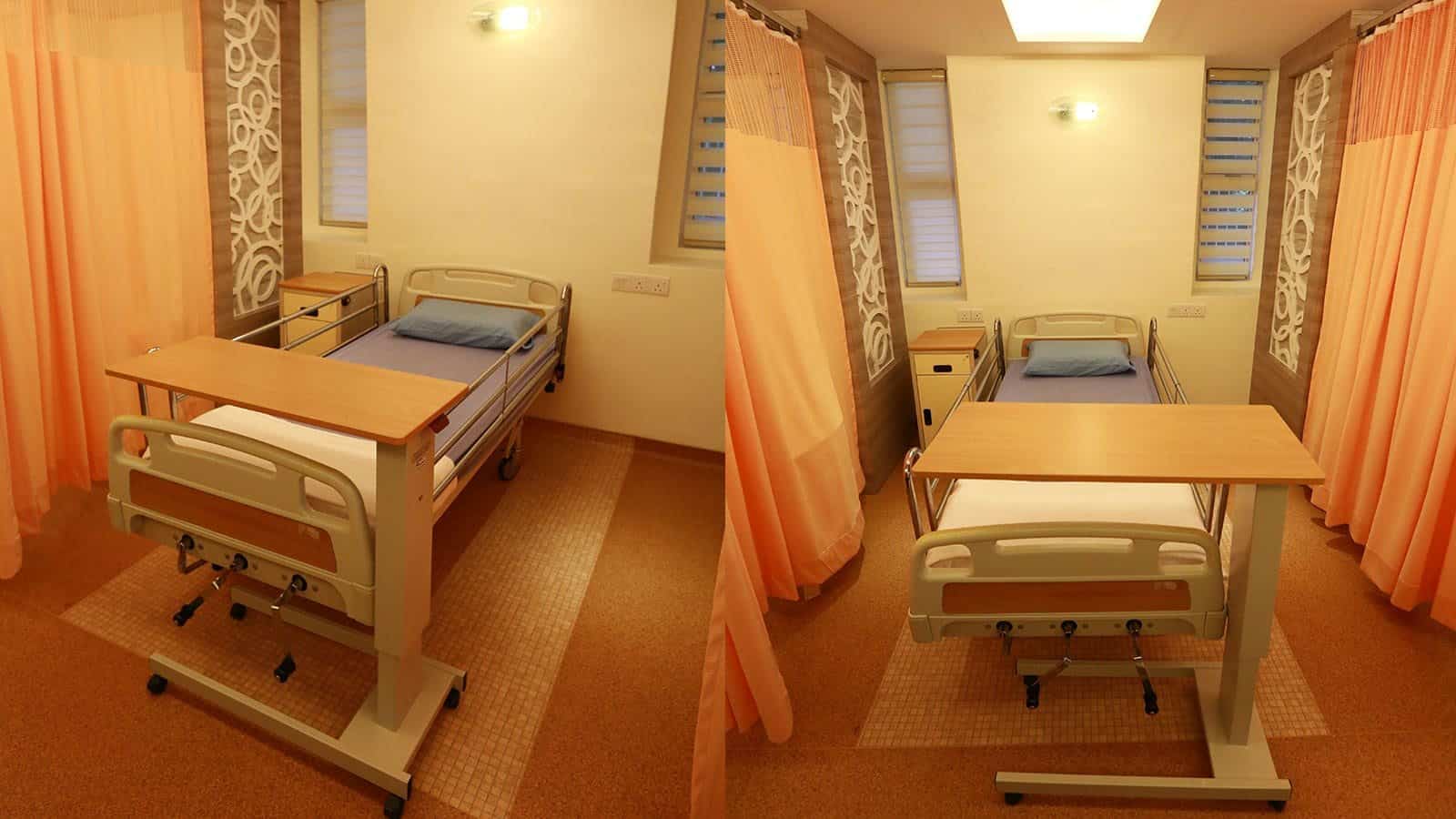
Preparing for an appointment about Anxiety treatment
For anxiety treatment, prepare a brief timeline: the first episode, the most recent episode, frequency, duration and any clear trigger. Note which home measures or prescribed treatments were tried, the dose and the response. Bring relevant reports and images rather than relying on memory. If symptoms come and go, a dated photograph, measurement or symptom diary may help the psychiatry team understand what happens between visits.
When Anxiety treatment needs urgent assessment
Seek immediate help if anxiety is accompanied by thoughts of self-harm, inability to stay safe, severe confusion, collapse, new chest pain or breathing symptoms that may have a medical cause. Severe or rapidly changing symptoms should be assessed through an emergency service, not a routine booking. These warning signs do not identify one diagnosis, but they can signal that waiting is unsafe. NIMH: Psychotherapies offers further authoritative background; local emergency instructions should take priority when symptoms are acute.
Frequently Asked Questions
Can anxiety treatment improve without specialist treatment?
Some short-lived or mild symptoms improve, but persistence, recurrence or loss of normal function changes the decision. Because anxiety treatment can have more than one cause, an examination is safer than repeatedly trying treatments without a diagnosis.
Does anxiety treatment always require a scan or procedure?
No. Tests are selected after the history and examination. A mental-health assessment explores symptoms, triggers, duration, medical history, safety and the effect on daily function. A scan, laboratory test or procedure is useful only when it is likely to clarify the cause or change management.
What should I record before a psychiatry appointment?
For anxiety treatment, write down when the problem started, how often it occurs, what makes it better or worse, and how it affects sleep, work, school or exercise. Bring previous reports, a current medicine list, allergies and relevant family history so that changes can be assessed in context.
Which warning signs make anxiety treatment urgent?
Seek immediate help if anxiety is accompanied by thoughts of self-harm, inability to stay safe, severe confusion, collapse, new chest pain or breathing symptoms that may have a medical cause. When symptoms are severe, rapidly worsening or accompanied by collapse, breathing difficulty or a new neurological problem, use an emergency service rather than waiting for a routine appointment.
Who should assess anxiety treatment in Seremban?
The appropriate starting point for anxiety treatment depends on its pattern and urgency. CMH’s psychiatry service can assess problems within this specialty, while emergency symptoms require immediate hospital care. If you are unsure where to start, contact the hospital and describe the main symptom and how quickly it developed.
Getting psychiatry care in Seremban
For an individual assessment of anxiety treatment, visit the psychiatry service at CMH Specialist Hospital. You can also contact CMH for appointment information. The clinician will decide whether observation, testing, treatment or referral is appropriate after reviewing the full history and examination.
Related CMH Articles
- Depression or Burnout? Understanding the Differences
- Panic Attacks: Symptoms, Triggers and When to Get Assessed
- Morning Joint Stiffness: When It May Be Inflammatory Arthritis
Conclusion
Anxiety becomes a health concern when worry, physical tension or avoidance repeatedly interferes with sleep, work, study, relationships or self-care. The important next step is to match the pace of care to the warning signs and to base treatment on a clinical diagnosis, not on one symptom alone. This article provides general health information and does not replace an examination, diagnosis or personalised advice from a qualified healthcare professional.