Sudden Pelvic Pain in Women: When Urgent Assessment Is Needed
Sudden pelvic pain may come from the ovaries, pregnancy, infection, bowel or urinary system. Several causes need rapid assessment even when the pain later eases. Understanding the pattern helps a clinician decide which examination or test is useful. This guide explains the practical differences patients and families should recognise before seeking care in Seremban.
Important possibilities include ectopic pregnancy, ovarian torsion, a ruptured cyst, pelvic infection and appendicitis. Timing in the menstrual cycle, pregnancy possibility, bleeding, discharge, fever and vomiting guide urgency. Symptoms should be interpreted with the person’s age, medical history, medicines and the way the problem has changed over time. A focused assessment is therefore more useful than judging the condition from a single symptom or online picture.
Key Takeaways
| Key point | What it means |
|---|---|
| Pattern | Sudden pelvic pain may come from the ovaries, pregnancy, infection, bowel or urinary system. |
| Possible causes | Important possibilities include ectopic pregnancy, ovarian torsion, a ruptured cyst, pelvic infection and appendicitis. |
| Assessment | Assessment may include pregnancy testing, vital signs, abdominal and pelvic examination, urine and blood tests and ultrasound. |
| Treatment | Do not delay care while trying multiple home remedies. |
| Urgent help | Seek emergency help for severe or worsening pain, fainting, shoulder-tip pain, heavy bleeding, fever, persistent vomiting, breathing difficulty or possible pregnancy with pain. |
Pregnancy-related and ovarian causes come first
Important possibilities include ectopic pregnancy, ovarian torsion, a ruptured cyst, pelvic infection and appendicitis. Timing in the menstrual cycle, pregnancy possibility, bleeding, discharge, fever and vomiting guide urgency. Before the visit, note associated symptoms and whether rest, meals, movement or medicines change the pattern. The timing, side of the body, triggers, associated symptoms and effect on daily function help separate common explanations from conditions that need earlier review. Guidance from ACOG: Ectopic pregnancy supports looking at the whole clinical pattern rather than one isolated sign.

Why pain severity alone cannot identify the cause
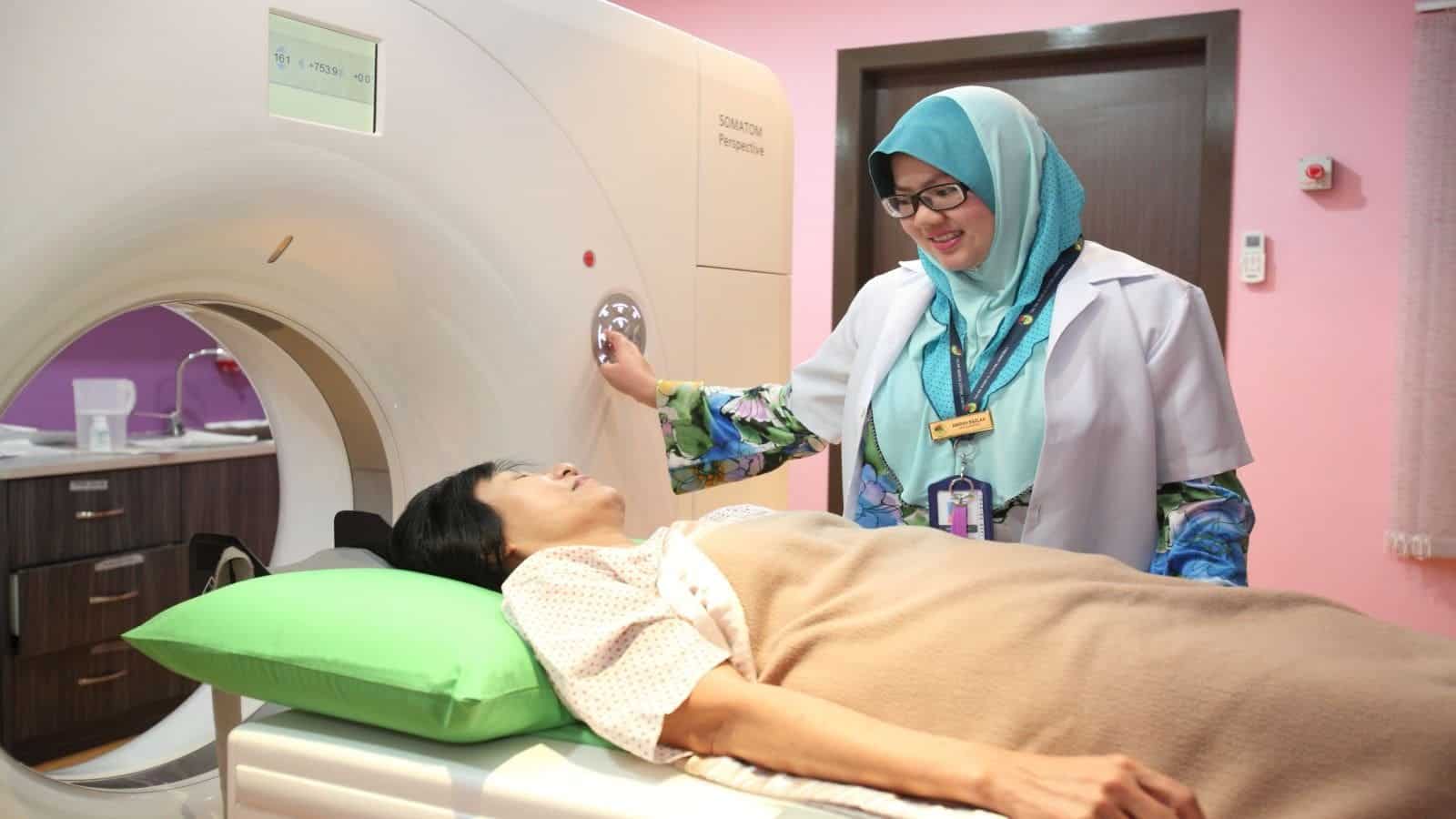
Assessment may include pregnancy testing, vital signs, abdominal and pelvic examination, urine and blood tests and ultrasound. A normal early scan does not always end the evaluation when symptoms remain concerning. If another clinic has already investigated the problem, organise those records by date for comparison. A clinician may begin with simple observations and only add tests that can change the diagnosis or next step. ACOG: Ovarian cysts provides additional patient guidance about the relevant assessment pathway.
Tests used in an urgent pelvic assessment
Do not delay care while trying multiple home remedies. Bring the first day of the last period, contraception details, pregnancy-test results and a list of medicines when possible. A written plan can help patients understand medicines, monitoring and the next appointment. The safest plan also considers other medical conditions, pregnancy where relevant, allergies, kidney or liver function, current medicines and patient preferences. Follow-up should state what improvement is expected and when the plan needs review.
Preparing for an appointment about Sudden pelvic pain women
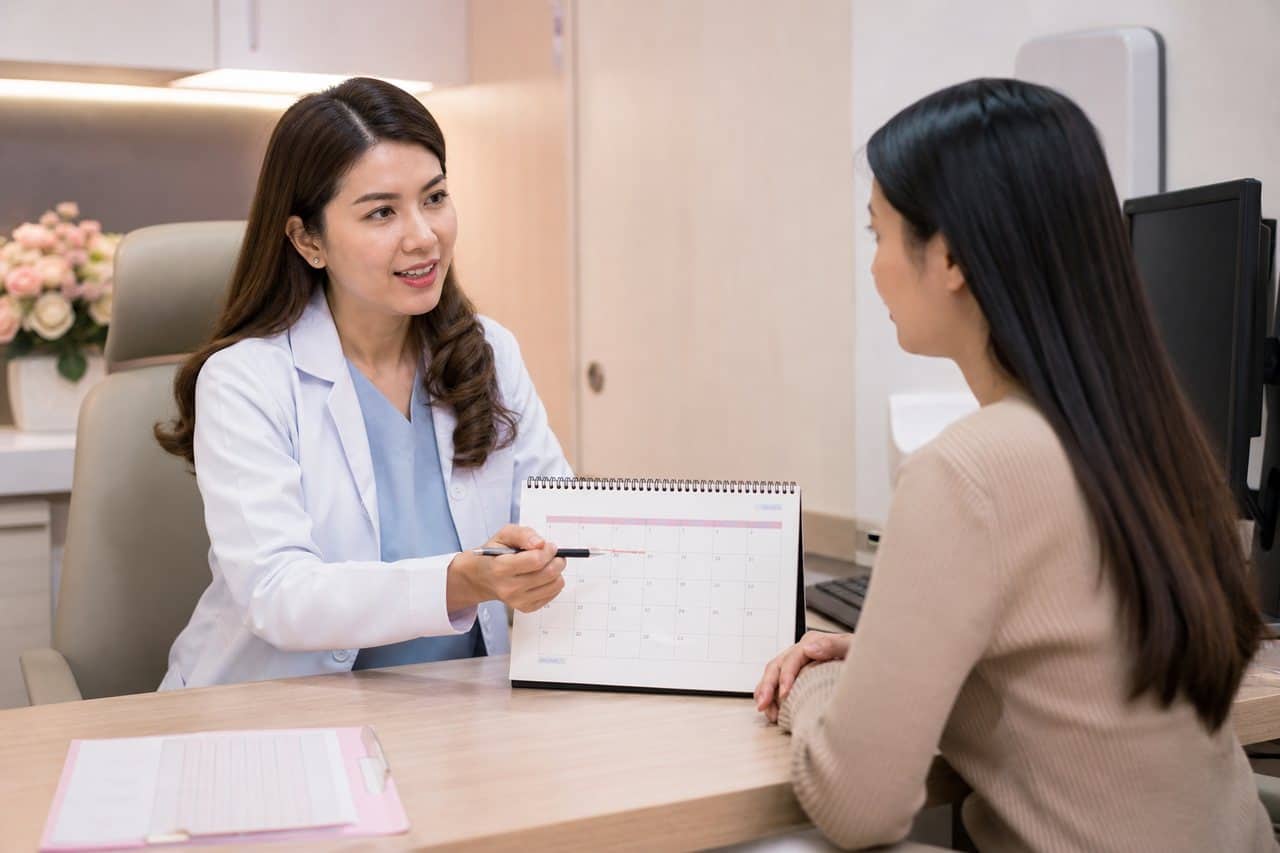
For sudden pelvic pain women, prepare a brief timeline: the first episode, the most recent episode, frequency, duration and any clear trigger. Note which home measures or prescribed treatments were tried, the dose and the response. Bring relevant reports and images rather than relying on memory. If symptoms come and go, a dated photograph, measurement or symptom diary may help the gynaecology team understand what happens between visits.
When Sudden pelvic pain women needs urgent assessment
Seek emergency help for severe or worsening pain, fainting, shoulder-tip pain, heavy bleeding, fever, persistent vomiting, breathing difficulty or possible pregnancy with pain. Severe or rapidly changing symptoms should be assessed through an emergency service, not a routine booking. These warning signs do not identify one diagnosis, but they can signal that waiting is unsafe. ACOG: Pelvic inflammatory disease offers further authoritative background; local emergency instructions should take priority when symptoms are acute.
Frequently Asked Questions
Can sudden pelvic pain women improve without specialist treatment?
Some short-lived or mild symptoms improve, but persistence, recurrence or loss of normal function changes the decision. Because sudden pelvic pain women can have more than one cause, an examination is safer than repeatedly trying treatments without a diagnosis.
Does sudden pelvic pain women always require a scan or procedure?
No. Tests are selected after the history and examination. Assessment may include pregnancy testing, vital signs, abdominal and pelvic examination, urine and blood tests and ultrasound. A scan, laboratory test or procedure is useful only when it is likely to clarify the cause or change management.
What should I record before a gynaecology appointment?
For sudden pelvic pain women, write down when the problem started, how often it occurs, what makes it better or worse, and how it affects sleep, work, school or exercise. Bring previous reports, a current medicine list, allergies and relevant family history so that changes can be assessed in context.
Which warning signs make sudden pelvic pain women urgent?
Seek emergency help for severe or worsening pain, fainting, shoulder-tip pain, heavy bleeding, fever, persistent vomiting, breathing difficulty or possible pregnancy with pain. When symptoms are severe, rapidly worsening or accompanied by collapse, breathing difficulty or a new neurological problem, use an emergency service rather than waiting for a routine appointment.
Who should assess sudden pelvic pain women in Seremban?
The appropriate starting point for sudden pelvic pain women depends on its pattern and urgency. CMH’s gynaecology service can assess problems within this specialty, while emergency symptoms require immediate hospital care. If you are unsure where to start, contact the hospital and describe the main symptom and how quickly it developed.
Getting gynaecology care in Seremban
For an individual assessment of sudden pelvic pain women, visit the gynaecology service at CMH Specialist Hospital. You can also contact CMH for appointment information. The clinician will decide whether observation, testing, treatment or referral is appropriate after reviewing the full history and examination.
Related CMH Articles
- Heavy Menstrual Bleeding and Anaemia: Tests and Treatment Options
- Ovarian Cysts: Symptoms, Ultrasound Findings and Follow-Up
- Blocked Nose That Will Not Clear: Allergies, Sinusitis or a Structural Problem?
Conclusion
Sudden pelvic pain may come from the ovaries, pregnancy, infection, bowel or urinary system. The important next step is to match the pace of care to the warning signs and to base treatment on a clinical diagnosis, not on one symptom alone. This article provides general health information and does not replace an examination, diagnosis or personalised advice from a qualified healthcare professional.