Sudden Blurred Vision: When It Is an Eye Emergency

Sudden Blurred Vision: When It Is an Eye Emergency

Sudden blurred vision may come from the eye, optic nerve, circulation or brain. The urgency depends on whether it is one eye or both and which symptoms accompany it. The aim is to help patients describe the problem clearly and recognise when faster care is needed. This guide explains the practical differences patients and families should recognise before seeking care in Seremban.

Possible causes range from corneal problems and migraine to retinal detachment, acute glaucoma, vascular blockage or stroke. A painless problem can still threaten sight, so waiting for pain is unsafe. Symptoms should be interpreted with the person’s age, medical history, medicines and the way the problem has changed over time. A focused assessment is therefore more useful than judging the condition from a single symptom or online picture.

sudden blurred vision Seremban — eyesight assessment
eyesight assessment: the first step is matching the symptom pattern with an appropriate clinical assessment.

Key Takeaways

Key pointWhat it means
PatternSudden blurred vision may come from the eye, optic nerve, circulation or brain.
Possible causesPossible causes range from corneal problems and migraine to retinal detachment, acute glaucoma, vascular blockage or stroke.
AssessmentAn eye assessment checks visual acuity, pupils, eye pressure, the front of the eye and the retina.
TreatmentTreatment is cause-specific and time-sensitive for several conditions.
Urgent helpSeek emergency care for sudden loss or marked blurring, a curtain or shadow, new flashes and many floaters, severe eye pain, halos with nausea, injury, weakness or speech change.

One eye or both eyes: why the distinction matters

Possible causes range from corneal problems and migraine to retinal detachment, acute glaucoma, vascular blockage or stroke. A painless problem can still threaten sight, so waiting for pain is unsafe. Write down the first episode, the most recent episode and anything that has clearly changed. The timing, side of the body, triggers, associated symptoms and effect on daily function help separate common explanations from conditions that need earlier review. Guidance from NEI: Retinal detachment supports looking at the whole clinical pattern rather than one isolated sign.
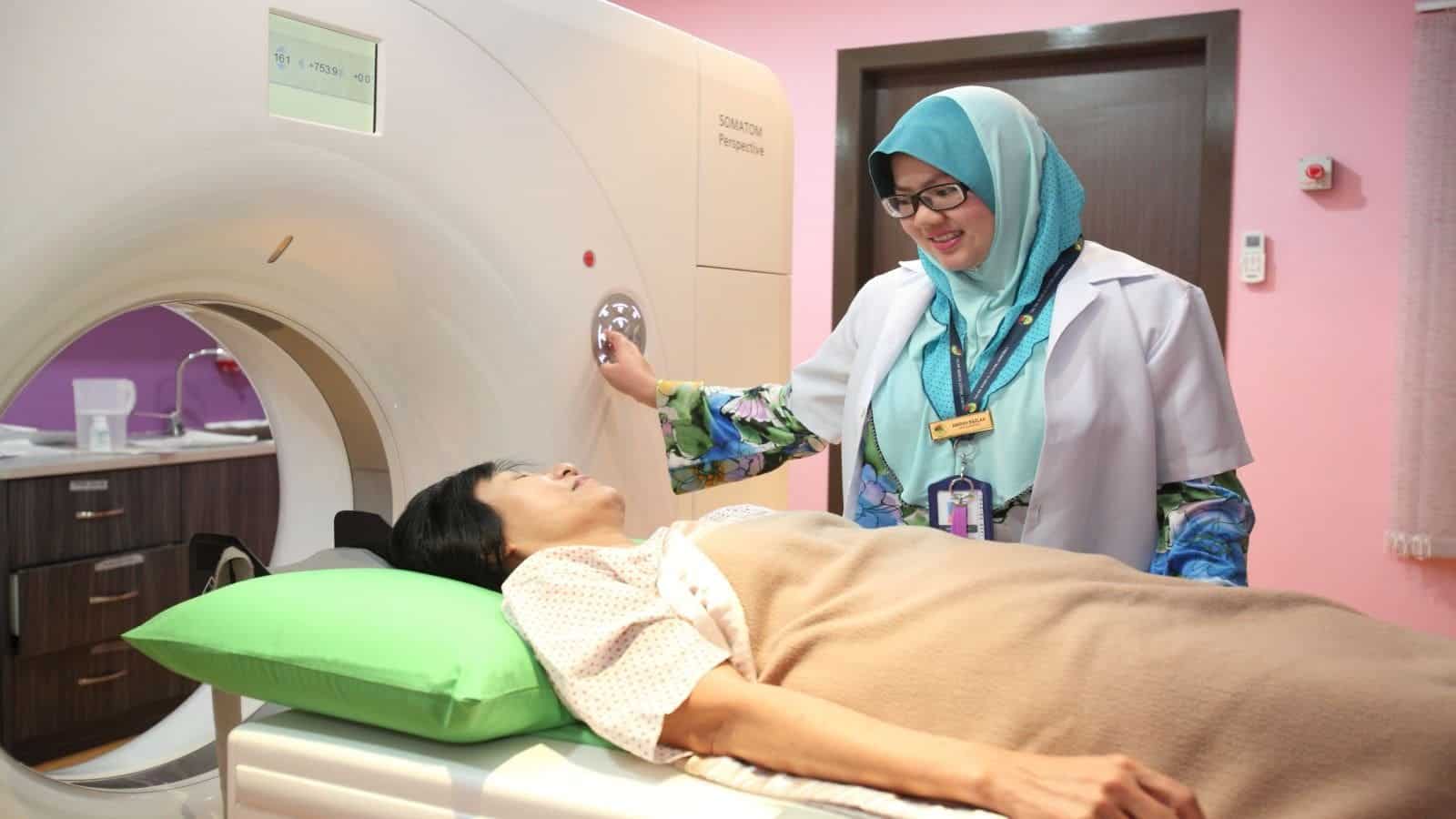
sudden blurred vision Seremban — CMH CT scanner
CMH CT scanner: investigations are chosen to answer a specific clinical question.

Eye, circulation and neurological warning signs

An eye assessment checks visual acuity, pupils, eye pressure, the front of the eye and the retina. Neurological examination and urgent imaging may be required when weakness, speech difficulty or other stroke features are present. Bring relevant reports, scans and a complete list of prescribed and non-prescription products. A clinician may begin with simple observations and only add tests that can change the diagnosis or next step. American Stroke Association: Stroke symptoms provides additional patient guidance about the relevant assessment pathway.

What an urgent eye assessment may include

Treatment is cause-specific and time-sensitive for several conditions. Avoid driving, cover neither eye unless instructed, and bring a medicines list and the exact time symptoms began. Ask how progress will be measured and when the diagnosis or treatment plan should be reconsidered. The safest plan also considers other medical conditions, pregnancy where relevant, allergies, kidney or liver function, current medicines and patient preferences. Follow-up should state what improvement is expected and when the plan needs review.

sudden blurred vision Seremban — CMH diagnostic imaging area
CMH diagnostic imaging area: follow-up connects test findings with symptoms and response to treatment.

Preparing for an appointment about Sudden blurred vision

For sudden blurred vision, prepare a brief timeline: the first episode, the most recent episode, frequency, duration and any clear trigger. Note which home measures or prescribed treatments were tried, the dose and the response. Bring relevant reports and images rather than relying on memory. If symptoms come and go, a dated photograph, measurement or symptom diary may help the ophthalmology team understand what happens between visits.

When Sudden blurred vision needs urgent assessment

Seek emergency care for sudden loss or marked blurring, a curtain or shadow, new flashes and many floaters, severe eye pain, halos with nausea, injury, weakness or speech change. When in doubt about a serious warning sign, urgent clinical triage is safer than self-diagnosis. These warning signs do not identify one diagnosis, but they can signal that waiting is unsafe. NEI: Eye health information offers further authoritative background; local emergency instructions should take priority when symptoms are acute.

Frequently Asked Questions

Can sudden blurred vision improve without specialist treatment?

Some short-lived or mild symptoms improve, but persistence, recurrence or loss of normal function changes the decision. Because sudden blurred vision can have more than one cause, an examination is safer than repeatedly trying treatments without a diagnosis.

Does sudden blurred vision always require a scan or procedure?

No. Tests are selected after the history and examination. An eye assessment checks visual acuity, pupils, eye pressure, the front of the eye and the retina. A scan, laboratory test or procedure is useful only when it is likely to clarify the cause or change management.

What should I record before a ophthalmology appointment?

For sudden blurred vision, write down when the problem started, how often it occurs, what makes it better or worse, and how it affects sleep, work, school or exercise. Bring previous reports, a current medicine list, allergies and relevant family history so that changes can be assessed in context.

Which warning signs make sudden blurred vision urgent?

Seek emergency care for sudden loss or marked blurring, a curtain or shadow, new flashes and many floaters, severe eye pain, halos with nausea, injury, weakness or speech change. When symptoms are severe, rapidly worsening or accompanied by collapse, breathing difficulty or a new neurological problem, use an emergency service rather than waiting for a routine appointment.

Who should assess sudden blurred vision in Seremban?

The appropriate starting point for sudden blurred vision depends on its pattern and urgency. CMH’s ophthalmology service can assess problems within this specialty, while emergency symptoms require immediate hospital care. If you are unsure where to start, contact the hospital and describe the main symptom and how quickly it developed.

Getting ophthalmology care in Seremban

For an individual assessment of sudden blurred vision, visit the ophthalmology service at CMH Specialist Hospital. You can also contact CMH for appointment information. The clinician will decide whether observation, testing, treatment or referral is appropriate after reviewing the full history and examination.

Related CMH Articles

Conclusion

Sudden blurred vision may come from the eye, optic nerve, circulation or brain. The important next step is to match the pace of care to the warning signs and to base treatment on a clinical diagnosis, not on one symptom alone. This article provides general health information and does not replace an examination, diagnosis or personalised advice from a qualified healthcare professional.


References

  1. NEI: Retinal detachment
  2. American Stroke Association: Stroke symptoms
  3. NEI: Eye health information

Living With Lupus: Monitoring Tests and Flare Warning Signs

Living With Lupus: Monitoring Tests and Flare Warning Signs

Lupus can affect skin, joints, blood cells, kidneys, lungs, heart and the nervous system, so monitoring is broader than checking joint pain alone. A focused consultation can separate common causes from problems that should not be delayed. This guide explains the practical differences patients and families should recognise before seeking care in Seremban.

Symptoms may come in flares and include fatigue, rashes, mouth ulcers, hair loss, joint pain, fever or sensitivity to sunlight. Changes in urine, swelling or blood pressure can indicate kidney involvement even before pain develops. Symptoms should be interpreted with the person’s age, medical history, medicines and the way the problem has changed over time. A focused assessment is therefore more useful than judging the condition from a single symptom or online picture.

lupus monitoring Seremban — CMH X-ray facility
CMH X-ray facility: the first step is matching the symptom pattern with an appropriate clinical assessment.

Key Takeaways

Key pointWhat it means
PatternLupus can affect skin, joints, blood cells, kidneys, lungs, heart and the nervous system, so monitoring is broader than checking joint pain alone.
Possible causesSymptoms may come in flares and include fatigue, rashes, mouth ulcers, hair loss, joint pain, fever or sensitivity to sunlight.
AssessmentFollow-up may include blood counts, kidney function, urine tests, complement levels and antibodies, selected according to the patient’s condition and treatment.
TreatmentMedication adherence, sun protection, vaccination planning and discussion before pregnancy are important parts of care.
Urgent helpUrgent assessment is needed for chest pain, severe breathlessness, seizures, confusion, new weakness, very low urine output, rapidly increasing swelling or signs of serious infection.

Recognising a possible lupus flare

Symptoms may come in flares and include fatigue, rashes, mouth ulcers, hair loss, joint pain, fever or sensitivity to sunlight. Changes in urine, swelling or blood pressure can indicate kidney involvement even before pain develops. Photographs or a dated symptom log may help when the finding comes and goes between appointments. The timing, side of the body, triggers, associated symptoms and effect on daily function help separate common explanations from conditions that need earlier review. Guidance from NIAMS: Lupus diagnosis and treatment supports looking at the whole clinical pattern rather than one isolated sign.

lupus monitoring Seremban — guided rehabilitation at CMH
guided rehabilitation at CMH: investigations are chosen to answer a specific clinical question.

Blood, urine and organ monitoring explained

Follow-up may include blood counts, kidney function, urine tests, complement levels and antibodies, selected according to the patient’s condition and treatment. Results are interpreted as trends rather than isolated numbers. A family member may help recall the history, but the patient’s privacy and preferences remain central. A clinician may begin with simple observations and only add tests that can change the diagnosis or next step. NIAMS: Lupus overview provides additional patient guidance about the relevant assessment pathway.

Planning safely around medicines and pregnancy

Medication adherence, sun protection, vaccination planning and discussion before pregnancy are important parts of care. Patients should ask how to recognise their personal flare pattern and when to contact the team. Clarify the expected timeline, possible side effects and the signs that should prompt an earlier review. The safest plan also considers other medical conditions, pregnancy where relevant, allergies, kidney or liver function, current medicines and patient preferences. Follow-up should state what improvement is expected and when the plan needs review.

lupus monitoring Seremban — reviewing an X-ray at CMH
reviewing an X-ray at CMH: follow-up connects test findings with symptoms and response to treatment.

Preparing for an appointment about Lupus monitoring

For lupus monitoring, prepare a brief timeline: the first episode, the most recent episode, frequency, duration and any clear trigger. Note which home measures or prescribed treatments were tried, the dose and the response. Bring relevant reports and images rather than relying on memory. If symptoms come and go, a dated photograph, measurement or symptom diary may help the rheumatology team understand what happens between visits.

When Lupus monitoring needs urgent assessment

Urgent assessment is needed for chest pain, severe breathlessness, seizures, confusion, new weakness, very low urine output, rapidly increasing swelling or signs of serious infection. If the pattern is clearly different from usual, seek timely medical assessment rather than waiting. These warning signs do not identify one diagnosis, but they can signal that waiting is unsafe. NIAMS: Lupus research and resources offers further authoritative background; local emergency instructions should take priority when symptoms are acute.

Frequently Asked Questions

Can lupus monitoring improve without specialist treatment?

Some short-lived or mild symptoms improve, but persistence, recurrence or loss of normal function changes the decision. Because lupus monitoring can have more than one cause, an examination is safer than repeatedly trying treatments without a diagnosis.

Does lupus monitoring always require a scan or procedure?

No. Tests are selected after the history and examination. Follow-up may include blood counts, kidney function, urine tests, complement levels and antibodies, selected according to the patient’s condition and treatment. A scan, laboratory test or procedure is useful only when it is likely to clarify the cause or change management.

What should I record before a rheumatology appointment?

For lupus monitoring, write down when the problem started, how often it occurs, what makes it better or worse, and how it affects sleep, work, school or exercise. Bring previous reports, a current medicine list, allergies and relevant family history so that changes can be assessed in context.

Which warning signs make lupus monitoring urgent?

Urgent assessment is needed for chest pain, severe breathlessness, seizures, confusion, new weakness, very low urine output, rapidly increasing swelling or signs of serious infection. When symptoms are severe, rapidly worsening or accompanied by collapse, breathing difficulty or a new neurological problem, use an emergency service rather than waiting for a routine appointment.

Who should assess lupus monitoring in Seremban?

The appropriate starting point for lupus monitoring depends on its pattern and urgency. CMH’s rheumatology service can assess problems within this specialty, while emergency symptoms require immediate hospital care. If you are unsure where to start, contact the hospital and describe the main symptom and how quickly it developed.

Getting rheumatology care in Seremban

For an individual assessment of lupus monitoring, visit the rheumatology service at CMH Specialist Hospital. You can also contact CMH for appointment information. The clinician will decide whether observation, testing, treatment or referral is appropriate after reviewing the full history and examination.

Related CMH Articles

Conclusion

Lupus can affect skin, joints, blood cells, kidneys, lungs, heart and the nervous system, so monitoring is broader than checking joint pain alone. The important next step is to match the pace of care to the warning signs and to base treatment on a clinical diagnosis, not on one symptom alone. This article provides general health information and does not replace an examination, diagnosis or personalised advice from a qualified healthcare professional.

References

  1. NIAMS: Lupus diagnosis and treatment
  2. NIAMS: Lupus overview
  3. NIAMS: Lupus research and resources

Rheumatoid Arthritis Blood Tests: RF, Anti-CCP, ESR and CRP Explained

Rheumatoid Arthritis Blood Tests: RF, Anti-CCP, ESR and CRP Explained

RF, anti-CCP, ESR and CRP can support rheumatoid arthritis assessment, but no single blood result proves or excludes the diagnosis. Understanding the pattern helps a clinician decide which examination or test is useful. This guide explains the practical differences patients and families should recognise before seeking care in Seremban.

Rheumatoid factor may be positive in people without rheumatoid arthritis, while some patients with the condition test negative. Anti-CCP is more specific, and ESR or CRP reflects inflammation but can be normal despite active joint disease. Symptoms should be interpreted with the person’s age, medical history, medicines and the way the problem has changed over time. A focused assessment is therefore more useful than judging the condition from a single symptom or online picture.

rheumatoid arthritis blood tests — CMH Physiotherapy Centre
CMH Physiotherapy Centre: the first step is matching the symptom pattern with an appropriate clinical assessment.

Key Takeaways

Key pointWhat it means
PatternRF, anti-CCP, ESR and CRP can support rheumatoid arthritis assessment, but no single blood result proves or excludes the diagnosis.
Possible causesRheumatoid factor may be positive in people without rheumatoid arthritis, while some patients with the condition test negative.
AssessmentDoctors interpret results alongside persistent swelling, morning stiffness, joint distribution and examination.
TreatmentWhen clinical suspicion is strong, referral should not be delayed only because tests are negative.
Urgent helpPrompt review is important for rapidly worsening swelling, major loss of function, fever with a hot joint, eye symptoms, chest pain or breathlessness.

What RF and anti-CCP can—and cannot—show

Rheumatoid factor may be positive in people without rheumatoid arthritis, while some patients with the condition test negative. Anti-CCP is more specific, and ESR or CRP reflects inflammation but can be normal despite active joint disease. Before the visit, note associated symptoms and whether rest, meals, movement or medicines change the pattern. The timing, side of the body, triggers, associated symptoms and effect on daily function help separate common explanations from conditions that need earlier review. Guidance from NIAMS: Rheumatoid arthritis diagnosis and treatment supports looking at the whole clinical pattern rather than one isolated sign.

rheumatoid arthritis blood tests — CMH Imaging Department
CMH Imaging Department: investigations are chosen to answer a specific clinical question.

How ESR and CRP fit into the clinical picture

Doctors interpret results alongside persistent swelling, morning stiffness, joint distribution and examination. Full blood count, kidney and liver tests may help evaluate other causes and provide a baseline before treatment. If another clinic has already investigated the problem, organise those records by date for comparison. A clinician may begin with simple observations and only add tests that can change the diagnosis or next step. NIAMS: Rheumatoid arthritis overview provides additional patient guidance about the relevant assessment pathway.

Why normal blood tests do not end the assessment

When clinical suspicion is strong, referral should not be delayed only because tests are negative. Imaging and follow-up examination can show inflammation or damage that a single blood sample cannot capture. A written plan can help patients understand medicines, monitoring and the next appointment. The safest plan also considers other medical conditions, pregnancy where relevant, allergies, kidney or liver function, current medicines and patient preferences. Follow-up should state what improvement is expected and when the plan needs review.

rheumatoid arthritis blood tests — joint examination at CMH
joint examination at CMH: follow-up connects test findings with symptoms and response to treatment.

Preparing for an appointment about Rheumatoid arthritis blood tests

For rheumatoid arthritis blood tests, prepare a brief timeline: the first episode, the most recent episode, frequency, duration and any clear trigger. Note which home measures or prescribed treatments were tried, the dose and the response. Bring relevant reports and images rather than relying on memory. If symptoms come and go, a dated photograph, measurement or symptom diary may help the rheumatology team understand what happens between visits.

When Rheumatoid arthritis blood tests needs urgent assessment

Prompt review is important for rapidly worsening swelling, major loss of function, fever with a hot joint, eye symptoms, chest pain or breathlessness. Severe or rapidly changing symptoms should be assessed through an emergency service, not a routine booking. These warning signs do not identify one diagnosis, but they can signal that waiting is unsafe. American College of Rheumatology: Rheumatoid arthritis offers further authoritative background; local emergency instructions should take priority when symptoms are acute.

Frequently Asked Questions

Can rheumatoid arthritis blood tests improve without specialist treatment?

Some short-lived or mild symptoms improve, but persistence, recurrence or loss of normal function changes the decision. Because rheumatoid arthritis blood tests can have more than one cause, an examination is safer than repeatedly trying treatments without a diagnosis.

Does rheumatoid arthritis blood tests always require a scan or procedure?

No. Tests are selected after the history and examination. Doctors interpret results alongside persistent swelling, morning stiffness, joint distribution and examination. A scan, laboratory test or procedure is useful only when it is likely to clarify the cause or change management.

What should I record before a rheumatology appointment?

For rheumatoid arthritis blood tests, write down when the problem started, how often it occurs, what makes it better or worse, and how it affects sleep, work, school or exercise. Bring previous reports, a current medicine list, allergies and relevant family history so that changes can be assessed in context.

Which warning signs make rheumatoid arthritis blood tests urgent?

Prompt review is important for rapidly worsening swelling, major loss of function, fever with a hot joint, eye symptoms, chest pain or breathlessness. When symptoms are severe, rapidly worsening or accompanied by collapse, breathing difficulty or a new neurological problem, use an emergency service rather than waiting for a routine appointment.

Who should assess rheumatoid arthritis blood tests in Seremban?

The appropriate starting point for rheumatoid arthritis blood tests depends on its pattern and urgency. CMH’s rheumatology service can assess problems within this specialty, while emergency symptoms require immediate hospital care. If you are unsure where to start, contact the hospital and describe the main symptom and how quickly it developed.

Getting rheumatology care in Seremban

For an individual assessment of rheumatoid arthritis blood tests, visit the rheumatology service at CMH Specialist Hospital. You can also contact CMH for appointment information. The clinician will decide whether observation, testing, treatment or referral is appropriate after reviewing the full history and examination.

Related CMH Articles

Conclusion

RF, anti-CCP, ESR and CRP can support rheumatoid arthritis assessment, but no single blood result proves or excludes the diagnosis. The important next step is to match the pace of care to the warning signs and to base treatment on a clinical diagnosis, not on one symptom alone. This article provides general health information and does not replace an examination, diagnosis or personalised advice from a qualified healthcare professional.

References

  1. NIAMS: Rheumatoid arthritis diagnosis and treatment
  2. NIAMS: Rheumatoid arthritis overview
  3. American College of Rheumatology: Rheumatoid arthritis

Managing Recurrent Gout Attacks: Uric Acid Targets, Medicines and Prevention

Managing Recurrent Gout Attacks: Uric Acid Targets, Medicines and Prevention

Repeated gout attacks suggest ongoing urate crystal burden, even when the joint feels normal between flares. Long-term prevention differs from short-term pain control. Here is how patients and families can prepare for an appropriate assessment in Seremban. This guide explains the practical differences patients and families should recognise before seeking care in Seremban.

Gout often affects the big toe, ankle or knee with sudden severe pain, redness and swelling. Diet, alcohol, dehydration, kidney function and medicines can influence risk, but gout is not simply caused by one meal. Symptoms should be interpreted with the person’s age, medical history, medicines and the way the problem has changed over time. A focused assessment is therefore more useful than judging the condition from a single symptom or online picture.

recurrent gout management Seremban — reviewing an X-ray at CMH
reviewing an X-ray at CMH: the first step is matching the symptom pattern with an appropriate clinical assessment.

Key Takeaways

Key pointWhat it means
PatternRepeated gout attacks suggest ongoing urate crystal burden, even when the joint feels normal between flares.
Possible causesGout often affects the big toe, ankle or knee with sudden severe pain, redness and swelling.
AssessmentDiagnosis relies on the clinical pattern and may include joint-fluid analysis, blood uric acid and imaging.
TreatmentA clinician may discuss anti-inflammatory treatment for flares and urate-lowering medicine for prevention.
Urgent helpSeek urgent assessment for fever, spreading redness, severe illness, a first hot swollen joint, immunosuppression or pain that is not following the patient’s usual gout pattern.

A flare is different from long-term urate control

Gout often affects the big toe, ankle or knee with sudden severe pain, redness and swelling. Diet, alcohol, dehydration, kidney function and medicines can influence risk, but gout is not simply caused by one meal. A short timeline noting frequency, severity and recent changes can make the consultation more useful. The timing, side of the body, triggers, associated symptoms and effect on daily function help separate common explanations from conditions that need earlier review. Guidance from NIAMS: Gout overview supports looking at the whole clinical pattern rather than one isolated sign.

recurrent gout management Seremban — CMH X-ray facility
CMH X-ray facility: investigations are chosen to answer a specific clinical question.

How gout is confirmed when the diagnosis is uncertain

Diagnosis relies on the clinical pattern and may include joint-fluid analysis, blood uric acid and imaging. Uric acid can be misleading during an acute flare, while infection must be excluded in a very hot swollen joint. Prepare allergies, medical conditions and earlier treatment responses so they can be reviewed accurately. A clinician may begin with simple observations and only add tests that can change the diagnosis or next step. NIAMS: Gout diagnosis and treatment provides additional patient guidance about the relevant assessment pathway.

Preventing crystals, attacks and joint damage

A clinician may discuss anti-inflammatory treatment for flares and urate-lowering medicine for prevention. When long-term medicine is used, adherence and repeat uric-acid checks help guide dose adjustments. Follow-up is important when the response is incomplete or new symptoms appear. The safest plan also considers other medical conditions, pregnancy where relevant, allergies, kidney or liver function, current medicines and patient preferences. Follow-up should state what improvement is expected and when the plan needs review.

recurrent gout management Seremban — guided rehabilitation at CMH
guided rehabilitation at CMH: follow-up connects test findings with symptoms and response to treatment.

Preparing for an appointment about Recurrent gout management

For recurrent gout management, prepare a brief timeline: the first episode, the most recent episode, frequency, duration and any clear trigger. Note which home measures or prescribed treatments were tried, the dose and the response. Bring relevant reports and images rather than relying on memory. If symptoms come and go, a dated photograph, measurement or symptom diary may help the rheumatology team understand what happens between visits.

When Recurrent gout management needs urgent assessment

Seek urgent assessment for fever, spreading redness, severe illness, a first hot swollen joint, immunosuppression or pain that is not following the patient’s usual gout pattern. Do not drive yourself when faint, severely breathless or affected by sudden neurological symptoms. These warning signs do not identify one diagnosis, but they can signal that waiting is unsafe. American College of Rheumatology: Gout offers further authoritative background; local emergency instructions should take priority when symptoms are acute.

Frequently Asked Questions

Can recurrent gout management improve without specialist treatment?

Some short-lived or mild symptoms improve, but persistence, recurrence or loss of normal function changes the decision. Because recurrent gout management can have more than one cause, an examination is safer than repeatedly trying treatments without a diagnosis.

Does recurrent gout management always require a scan or procedure?

No. Tests are selected after the history and examination. Diagnosis relies on the clinical pattern and may include joint-fluid analysis, blood uric acid and imaging. A scan, laboratory test or procedure is useful only when it is likely to clarify the cause or change management.

What should I record before a rheumatology appointment?

For recurrent gout management, write down when the problem started, how often it occurs, what makes it better or worse, and how it affects sleep, work, school or exercise. Bring previous reports, a current medicine list, allergies and relevant family history so that changes can be assessed in context.

Which warning signs make recurrent gout management urgent?

Seek urgent assessment for fever, spreading redness, severe illness, a first hot swollen joint, immunosuppression or pain that is not following the patient’s usual gout pattern. When symptoms are severe, rapidly worsening or accompanied by collapse, breathing difficulty or a new neurological problem, use an emergency service rather than waiting for a routine appointment.

Who should assess recurrent gout management in Seremban?

The appropriate starting point for recurrent gout management depends on its pattern and urgency. CMH’s rheumatology service can assess problems within this specialty, while emergency symptoms require immediate hospital care. If you are unsure where to start, contact the hospital and describe the main symptom and how quickly it developed.

Getting rheumatology care in Seremban

For an individual assessment of recurrent gout management, visit the rheumatology service at CMH Specialist Hospital. You can also contact CMH for appointment information. The clinician will decide whether observation, testing, treatment or referral is appropriate after reviewing the full history and examination.

Related CMH Articles

Conclusion

Repeated gout attacks suggest ongoing urate crystal burden, even when the joint feels normal between flares. The important next step is to match the pace of care to the warning signs and to base treatment on a clinical diagnosis, not on one symptom alone. This article provides general health information and does not replace an examination, diagnosis or personalised advice from a qualified healthcare professional.
References

  1. NIAMS: Gout overview
  2. NIAMS: Gout diagnosis and treatment
  3. American College of Rheumatology: Gout

Morning Joint Stiffness: When It May Be Inflammatory Arthritis

Morning Joint Stiffness: When It May Be Inflammatory Arthritis

Morning stiffness that lasts well beyond getting out of bed may point to inflammation, especially when joints are swollen, warm or affected on both sides. The sections below outline practical next steps for patients considering specialist care in Seremban. This guide explains the practical differences patients and families should recognise before seeking care in Seremban.

Inflammatory arthritis commonly improves somewhat with movement and worsens after rest. Osteoarthritis can also feel stiff, but its pattern, duration and joint distribution often differ. Infection and crystal arthritis must be considered when one joint becomes acutely hot. Symptoms should be interpreted with the person’s age, medical history, medicines and the way the problem has changed over time. A focused assessment is therefore more useful than judging the condition from a single symptom or online picture.

morning joint stiffness Seremban — joint examination at CMH
joint examination at CMH: the first step is matching the symptom pattern with an appropriate clinical assessment.

Key Takeaways

Key pointWhat it means
PatternMorning stiffness that lasts well beyond getting out of bed may point to inflammation, especially when joints are swollen, warm or affected on both sides.
Possible causesInflammatory arthritis commonly improves somewhat with movement and worsens after rest.
AssessmentA rheumatology assessment maps which joints are involved and checks swelling, movement, skin, nails and systemic symptoms.
TreatmentEarly diagnosis matters because disease-modifying treatment can protect joints in conditions such as rheumatoid arthritis.
Urgent helpUrgent care is needed for a suddenly hot swollen joint with fever, inability to bear weight, severe eye pain or redness, chest pain, marked weakness or rapidly progressive symptoms.

Inflammatory stiffness versus mechanical stiffness

Inflammatory arthritis commonly improves somewhat with movement and worsens after rest. Osteoarthritis can also feel stiff, but its pattern, duration and joint distribution often differ. Infection and crystal arthritis must be considered when one joint becomes acutely hot. Record when symptoms begin, their duration, triggers and any effect on sleep or daily activity. The timing, side of the body, triggers, associated symptoms and effect on daily function help separate common explanations from conditions that need earlier review. Guidance from NIAMS: Rheumatoid arthritis overview supports looking at the whole clinical pattern rather than one isolated sign.

morning joint stiffness Seremban — CMH Physiotherapy Centre
CMH Physiotherapy Centre: investigations are chosen to answer a specific clinical question.

Joint patterns that raise suspicion for arthritis

A rheumatology assessment maps which joints are involved and checks swelling, movement, skin, nails and systemic symptoms. Blood tests and imaging support the clinical picture; normal inflammatory markers do not rule out every inflammatory condition. Previous test results and the names and doses of current medicines provide important context. A clinician may begin with simple observations and only add tests that can change the diagnosis or next step. NIAMS: Rheumatoid arthritis diagnosis and treatment provides additional patient guidance about the relevant assessment pathway.

Why early assessment can protect function

Early diagnosis matters because disease-modifying treatment can protect joints in conditions such as rheumatoid arthritis. Exercise and pain management are tailored to the diagnosis rather than prescribed from symptoms alone. Confirm which changes are expected, which are not, and who to contact if symptoms worsen. The safest plan also considers other medical conditions, pregnancy where relevant, allergies, kidney or liver function, current medicines and patient preferences. Follow-up should state what improvement is expected and when the plan needs review.

morning joint stiffness Seremban — CMH Imaging Department
CMH Imaging Department: follow-up connects test findings with symptoms and response to treatment.

Preparing for an appointment about Morning joint stiffness

For morning joint stiffness, prepare a brief timeline: the first episode, the most recent episode, frequency, duration and any clear trigger. Note which home measures or prescribed treatments were tried, the dose and the response. Bring relevant reports and images rather than relying on memory. If symptoms come and go, a dated photograph, measurement or symptom diary may help the rheumatology team understand what happens between visits.

When Morning joint stiffness needs urgent assessment

Urgent care is needed for a suddenly hot swollen joint with fever, inability to bear weight, severe eye pain or redness, chest pain, marked weakness or rapidly progressive symptoms. Emergency symptoms require immediate attention even if a routine specialist visit is already arranged. These warning signs do not identify one diagnosis, but they can signal that waiting is unsafe. NIAMS: Arthritis diagnosis and treatment offers further authoritative background; local emergency instructions should take priority when symptoms are acute.

Frequently Asked Questions

Can morning joint stiffness improve without specialist treatment?

Some short-lived or mild symptoms improve, but persistence, recurrence or loss of normal function changes the decision. Because morning joint stiffness can have more than one cause, an examination is safer than repeatedly trying treatments without a diagnosis.

Does morning joint stiffness always require a scan or procedure?

No. Tests are selected after the history and examination. A rheumatology assessment maps which joints are involved and checks swelling, movement, skin, nails and systemic symptoms. A scan, laboratory test or procedure is useful only when it is likely to clarify the cause or change management.

What should I record before a rheumatology appointment?

For morning joint stiffness, write down when the problem started, how often it occurs, what makes it better or worse, and how it affects sleep, work, school or exercise. Bring previous reports, a current medicine list, allergies and relevant family history so that changes can be assessed in context.

Which warning signs make morning joint stiffness urgent?

Urgent care is needed for a suddenly hot swollen joint with fever, inability to bear weight, severe eye pain or redness, chest pain, marked weakness or rapidly progressive symptoms. When symptoms are severe, rapidly worsening or accompanied by collapse, breathing difficulty or a new neurological problem, use an emergency service rather than waiting for a routine appointment.

Who should assess morning joint stiffness in Seremban?

The appropriate starting point for morning joint stiffness depends on its pattern and urgency. CMH’s rheumatology service can assess problems within this specialty, while emergency symptoms require immediate hospital care. If you are unsure where to start, contact the hospital and describe the main symptom and how quickly it developed.

Getting rheumatology care in Seremban

For an individual assessment of morning joint stiffness, visit the rheumatology service at CMH Specialist Hospital. You can also contact CMH for appointment information. The clinician will decide whether observation, testing, treatment or referral is appropriate after reviewing the full history and examination.

Related CMH Articles

Conclusion

Morning stiffness that lasts well beyond getting out of bed may point to inflammation, especially when joints are swollen, warm or affected on both sides. The important next step is to match the pace of care to the warning signs and to base treatment on a clinical diagnosis, not on one symptom alone. This article provides general health information and does not replace an examination, diagnosis or personalised advice from a qualified healthcare professional.

References

  1. NIAMS: Rheumatoid arthritis overview
  2. NIAMS: Rheumatoid arthritis diagnosis and treatment
  3. NIAMS: Arthritis diagnosis and treatment

Panic Attacks: Symptoms, Triggers and When to Get Assessed

Panic Attacks: Symptoms, Triggers and When to Get Assessed

A panic attack is a sudden surge of intense fear with physical symptoms, often peaking quickly. Repeated attacks can lead to avoidance and fear of the next episode. The aim is to help patients describe the problem clearly and recognise when faster care is needed. This guide explains the practical differences patients and families should recognise before seeking care in Seremban.

Common features include a racing heart, chest tightness, trembling, sweating, dizziness, tingling, nausea and a feeling of losing control. Similar symptoms can also occur with heart, lung, thyroid or medication-related problems. Symptoms should be interpreted with the person’s age, medical history, medicines and the way the problem has changed over time. A focused assessment is therefore more useful than judging the condition from a single symptom or online picture.

panic attacks assessment Seremban — CMH consultation setting
CMH consultation setting: the first step is matching the symptom pattern with an appropriate clinical assessment.

Key Takeaways

Key pointWhat it means
PatternA panic attack is a sudden surge of intense fear with physical symptoms, often peaking quickly.
Possible causesCommon features include a racing heart, chest tightness, trembling, sweating, dizziness, tingling, nausea and a feeling of losing control.
AssessmentAssessment reviews the exact sequence, duration, context, medical history and substance or caffeine use.
TreatmentTreatment can include breathing and grounding strategies, cognitive behavioural therapy, gradual exposure and medication for selected patients.
Urgent helpDo not assume first-time chest pain, fainting, severe breathlessness or neurological symptoms are panic.

What happens during a panic attack

Common features include a racing heart, chest tightness, trembling, sweating, dizziness, tingling, nausea and a feeling of losing control. Similar symptoms can also occur with heart, lung, thyroid or medication-related problems. Write down the first episode, the most recent episode and anything that has clearly changed. The timing, side of the body, triggers, associated symptoms and effect on daily function help separate common explanations from conditions that need earlier review. Guidance from NIMH: Panic disorder supports looking at the whole clinical pattern rather than one isolated sign.

panic attacks assessment Seremban — CMH daycare area
CMH daycare area: investigations are chosen to answer a specific clinical question.

Why medical causes may need to be excluded

Assessment reviews the exact sequence, duration, context, medical history and substance or caffeine use. An examination or tests may be needed when symptoms are new, atypical or medically concerning. Bring relevant reports, scans and a complete list of prescribed and non-prescription products. A clinician may begin with simple observations and only add tests that can change the diagnosis or next step. NIMH: Anxiety disorders provides additional patient guidance about the relevant assessment pathway.

Breaking the cycle of fear and avoidance

Treatment can include breathing and grounding strategies, cognitive behavioural therapy, gradual exposure and medication for selected patients. Avoidance may bring short-term relief but can strengthen the cycle over time. Ask how progress will be measured and when the diagnosis or treatment plan should be reconsidered. The safest plan also considers other medical conditions, pregnancy where relevant, allergies, kidney or liver function, current medicines and patient preferences. Follow-up should state what improvement is expected and when the plan needs review.

panic attacks assessment Seremban — CMH psychiatry service
CMH psychiatry service: follow-up connects test findings with symptoms and response to treatment.

Preparing for an appointment about Panic attacks assessment

For panic attacks assessment, prepare a brief timeline: the first episode, the most recent episode, frequency, duration and any clear trigger. Note which home measures or prescribed treatments were tried, the dose and the response. Bring relevant reports and images rather than relying on memory. If symptoms come and go, a dated photograph, measurement or symptom diary may help the psychiatry team understand what happens between visits.

When Panic attacks assessment needs urgent assessment

Do not assume first-time chest pain, fainting, severe breathlessness or neurological symptoms are panic. Seek emergency assessment when symptoms are severe, different from usual or accompanied by safety concerns. When in doubt about a serious warning sign, urgent clinical triage is safer than self-diagnosis. These warning signs do not identify one diagnosis, but they can signal that waiting is unsafe. NIMH: Mental health medications offers further authoritative background; local emergency instructions should take priority when symptoms are acute.

Frequently Asked Questions

Can panic attacks assessment improve without specialist treatment?

Some short-lived or mild symptoms improve, but persistence, recurrence or loss of normal function changes the decision. Because panic attacks assessment can have more than one cause, an examination is safer than repeatedly trying treatments without a diagnosis.

Does panic attacks assessment always require a scan or procedure?

No. Tests are selected after the history and examination. Assessment reviews the exact sequence, duration, context, medical history and substance or caffeine use. A scan, laboratory test or procedure is useful only when it is likely to clarify the cause or change management.

What should I record before a psychiatry appointment?

For panic attacks assessment, write down when the problem started, how often it occurs, what makes it better or worse, and how it affects sleep, work, school or exercise. Bring previous reports, a current medicine list, allergies and relevant family history so that changes can be assessed in context.

Which warning signs make panic attacks assessment urgent?

Do not assume first-time chest pain, fainting, severe breathlessness or neurological symptoms are panic. When symptoms are severe, rapidly worsening or accompanied by collapse, breathing difficulty or a new neurological problem, use an emergency service rather than waiting for a routine appointment.

Who should assess panic attacks assessment in Seremban?

The appropriate starting point for panic attacks assessment depends on its pattern and urgency. CMH’s psychiatry service can assess problems within this specialty, while emergency symptoms require immediate hospital care. If you are unsure where to start, contact the hospital and describe the main symptom and how quickly it developed.

Getting psychiatry care in Seremban

For an individual assessment of panic attacks assessment, visit the psychiatry service at CMH Specialist Hospital. You can also contact CMH for appointment information. The clinician will decide whether observation, testing, treatment or referral is appropriate after reviewing the full history and examination.

Related CMH Articles

Conclusion

A panic attack is a sudden surge of intense fear with physical symptoms, often peaking quickly. The important next step is to match the pace of care to the warning signs and to base treatment on a clinical diagnosis, not on one symptom alone. This article provides general health information and does not replace an examination, diagnosis or personalised advice from a qualified healthcare professional.

References

  1. NIMH: Panic disorder
  2. NIMH: Anxiety disorders
  3. NIMH: Mental health medications

Depression or Burnout? Understanding the Differences

Depression or Burnout? Understanding the Differences

Depression and burnout can both cause exhaustion and reduced motivation, but they are not interchangeable and may need different support. A focused consultation can separate common causes from problems that should not be delayed. This guide explains the practical differences patients and families should recognise before seeking care in Seremban.

Burnout is usually linked to prolonged occupational or caregiving stress. Depression can affect pleasure, sleep, appetite, thinking and self-worth across many parts of life, even away from the original stressor. Both can occur together. Symptoms should be interpreted with the person’s age, medical history, medicines and the way the problem has changed over time. A focused assessment is therefore more useful than judging the condition from a single symptom or online picture.

depression vs burnout Seremban — medical consultation at CMH
medical consultation at CMH: the first step is matching the symptom pattern with an appropriate clinical assessment.

Key Takeaways

Key pointWhat it means
PatternDepression and burnout can both cause exhaustion and reduced motivation, but they are not interchangeable and may need different support.
Possible causesBurnout is usually linked to prolonged occupational or caregiving stress.
AssessmentAssessment considers duration, functional change, physical health, medicine use, substance use and risk.
TreatmentRecovery may involve workload changes, rest and boundaries, but persistent depression often benefits from structured therapy, social support and sometimes medication.
Urgent helpUrgent support is needed for suicidal thoughts, self-harm, inability to care for basic needs, severe agitation, hallucinations or a dramatic change in behaviour or sleep.

Where burnout and depression overlap

Burnout is usually linked to prolonged occupational or caregiving stress. Depression can affect pleasure, sleep, appetite, thinking and self-worth across many parts of life, even away from the original stressor. Both can occur together. Photographs or a dated symptom log may help when the finding comes and goes between appointments. The timing, side of the body, triggers, associated symptoms and effect on daily function help separate common explanations from conditions that need earlier review. Guidance from NIMH: Depression supports looking at the whole clinical pattern rather than one isolated sign.

depression vs burnout Seremban — CMH patient care area
CMH patient care area: investigations are chosen to answer a specific clinical question.

Clues that symptoms extend beyond work stress

Assessment considers duration, functional change, physical health, medicine use, substance use and risk. Clinicians may also check for conditions such as anaemia or thyroid disease when the history suggests a physical contributor. A family member may help recall the history, but the patient’s privacy and preferences remain central. A clinician may begin with simple observations and only add tests that can change the diagnosis or next step. NIMH: Depression topic hub provides additional patient guidance about the relevant assessment pathway.

How a mental-health assessment builds a plan

Recovery may involve workload changes, rest and boundaries, but persistent depression often benefits from structured therapy, social support and sometimes medication. A personalised plan should address both symptoms and the environment maintaining them. Clarify the expected timeline, possible side effects and the signs that should prompt an earlier review. The safest plan also considers other medical conditions, pregnancy where relevant, allergies, kidney or liver function, current medicines and patient preferences. Follow-up should state what improvement is expected and when the plan needs review.

depression vs burnout Seremban — CMH clinical facilities
CMH clinical facilities: follow-up connects test findings with symptoms and response to treatment.

Preparing for an appointment about Depression vs burnout

For depression vs burnout, prepare a brief timeline: the first episode, the most recent episode, frequency, duration and any clear trigger. Note which home measures or prescribed treatments were tried, the dose and the response. Bring relevant reports and images rather than relying on memory. If symptoms come and go, a dated photograph, measurement or symptom diary may help the psychiatry team understand what happens between visits.

When Depression vs burnout needs urgent assessment

Urgent support is needed for suicidal thoughts, self-harm, inability to care for basic needs, severe agitation, hallucinations or a dramatic change in behaviour or sleep. If the pattern is clearly different from usual, seek timely medical assessment rather than waiting. These warning signs do not identify one diagnosis, but they can signal that waiting is unsafe. NIMH: My mental health — do I need help? offers further authoritative background; local emergency instructions should take priority when symptoms are acute.

Frequently Asked Questions

Can depression vs burnout improve without specialist treatment?

Some short-lived or mild symptoms improve, but persistence, recurrence or loss of normal function changes the decision. Because depression vs burnout can have more than one cause, an examination is safer than repeatedly trying treatments without a diagnosis.

Does depression vs burnout always require a scan or procedure?

No. Tests are selected after the history and examination. Assessment considers duration, functional change, physical health, medicine use, substance use and risk. A scan, laboratory test or procedure is useful only when it is likely to clarify the cause or change management.

What should I record before a psychiatry appointment?

For depression vs burnout, write down when the problem started, how often it occurs, what makes it better or worse, and how it affects sleep, work, school or exercise. Bring previous reports, a current medicine list, allergies and relevant family history so that changes can be assessed in context.

Which warning signs make depression vs burnout urgent?

Urgent support is needed for suicidal thoughts, self-harm, inability to care for basic needs, severe agitation, hallucinations or a dramatic change in behaviour or sleep. When symptoms are severe, rapidly worsening or accompanied by collapse, breathing difficulty or a new neurological problem, use an emergency service rather than waiting for a routine appointment.

Who should assess depression vs burnout in Seremban?

The appropriate starting point for depression vs burnout depends on its pattern and urgency. CMH’s psychiatry service can assess problems within this specialty, while emergency symptoms require immediate hospital care. If you are unsure where to start, contact the hospital and describe the main symptom and how quickly it developed.

Getting psychiatry care in Seremban

For an individual assessment of depression vs burnout, visit the psychiatry service at CMH Specialist Hospital. You can also contact CMH for appointment information. The clinician will decide whether observation, testing, treatment or referral is appropriate after reviewing the full history and examination.

Related CMH Articles

Conclusion

Depression and burnout can both cause exhaustion and reduced motivation, but they are not interchangeable and may need different support. The important next step is to match the pace of care to the warning signs and to base treatment on a clinical diagnosis, not on one symptom alone. This article provides general health information and does not replace an examination, diagnosis or personalised advice from a qualified healthcare professional.

References

  1. NIMH: Depression
  2. NIMH: Depression topic hub
  3. NIMH: My mental health — do I need help?

Anxiety That Disrupts Daily Life: When to Seek Professional Help

Anxiety That Disrupts Daily Life: When to Seek Professional Help

Anxiety becomes a health concern when worry, physical tension or avoidance repeatedly interferes with sleep, work, study, relationships or self-care. Understanding the pattern helps a clinician decide which examination or test is useful. This guide explains the practical differences patients and families should recognise before seeking care in Seremban.

Symptoms can include racing thoughts, poor concentration, palpitations, sweating, breathlessness, stomach upset and a sense of danger. Thyroid problems, heart rhythm disorders, medicines and substance use can sometimes mimic or worsen anxiety. Symptoms should be interpreted with the person’s age, medical history, medicines and the way the problem has changed over time. A focused assessment is therefore more useful than judging the condition from a single symptom or online picture.

anxiety treatment Seremban — CMH psychiatry service
CMH psychiatry service: the first step is matching the symptom pattern with an appropriate clinical assessment.

Key Takeaways

Key pointWhat it means
PatternAnxiety becomes a health concern when worry, physical tension or avoidance repeatedly interferes with sleep, work, study, relationships or self-care.
Possible causesSymptoms can include racing thoughts, poor concentration, palpitations, sweating, breathlessness, stomach upset and a sense of danger.
AssessmentA mental-health assessment explores symptoms, triggers, duration, medical history, safety and the effect on daily function.
TreatmentCare may include education, psychological therapy, practical routines and medication when appropriate.
Urgent helpSeek immediate help if anxiety is accompanied by thoughts of self-harm, inability to stay safe, severe confusion, collapse, new chest pain or breathing symptoms that may have a medical cause.

When normal worry becomes a health problem

Symptoms can include racing thoughts, poor concentration, palpitations, sweating, breathlessness, stomach upset and a sense of danger. Thyroid problems, heart rhythm disorders, medicines and substance use can sometimes mimic or worsen anxiety. Before the visit, note associated symptoms and whether rest, meals, movement or medicines change the pattern. The timing, side of the body, triggers, associated symptoms and effect on daily function help separate common explanations from conditions that need earlier review. Guidance from NIMH: Anxiety disorders supports looking at the whole clinical pattern rather than one isolated sign.

anxiety treatment Seremban — CMH consultation setting
CMH consultation setting: investigations are chosen to answer a specific clinical question.

How physical symptoms and avoidance are assessed

A mental-health assessment explores symptoms, triggers, duration, medical history, safety and the effect on daily function. Screening questionnaires can support the conversation but do not replace a personalised clinical evaluation. If another clinic has already investigated the problem, organise those records by date for comparison. A clinician may begin with simple observations and only add tests that can change the diagnosis or next step. NIMH: My mental health — do I need help? provides additional patient guidance about the relevant assessment pathway.

Therapy, medicines and shared decision-making

Care may include education, psychological therapy, practical routines and medication when appropriate. Treatment is collaborative, and progress is usually reviewed over time rather than judged after one difficult day. A written plan can help patients understand medicines, monitoring and the next appointment. The safest plan also considers other medical conditions, pregnancy where relevant, allergies, kidney or liver function, current medicines and patient preferences. Follow-up should state what improvement is expected and when the plan needs review.

anxiety treatment Seremban — CMH daycare area
CMH daycare area: follow-up connects test findings with symptoms and response to treatment.

Preparing for an appointment about Anxiety treatment

For anxiety treatment, prepare a brief timeline: the first episode, the most recent episode, frequency, duration and any clear trigger. Note which home measures or prescribed treatments were tried, the dose and the response. Bring relevant reports and images rather than relying on memory. If symptoms come and go, a dated photograph, measurement or symptom diary may help the psychiatry team understand what happens between visits.

When Anxiety treatment needs urgent assessment

Seek immediate help if anxiety is accompanied by thoughts of self-harm, inability to stay safe, severe confusion, collapse, new chest pain or breathing symptoms that may have a medical cause. Severe or rapidly changing symptoms should be assessed through an emergency service, not a routine booking. These warning signs do not identify one diagnosis, but they can signal that waiting is unsafe. NIMH: Psychotherapies offers further authoritative background; local emergency instructions should take priority when symptoms are acute.

Frequently Asked Questions

Can anxiety treatment improve without specialist treatment?

Some short-lived or mild symptoms improve, but persistence, recurrence or loss of normal function changes the decision. Because anxiety treatment can have more than one cause, an examination is safer than repeatedly trying treatments without a diagnosis.

Does anxiety treatment always require a scan or procedure?

No. Tests are selected after the history and examination. A mental-health assessment explores symptoms, triggers, duration, medical history, safety and the effect on daily function. A scan, laboratory test or procedure is useful only when it is likely to clarify the cause or change management.

What should I record before a psychiatry appointment?

For anxiety treatment, write down when the problem started, how often it occurs, what makes it better or worse, and how it affects sleep, work, school or exercise. Bring previous reports, a current medicine list, allergies and relevant family history so that changes can be assessed in context.

Which warning signs make anxiety treatment urgent?

Seek immediate help if anxiety is accompanied by thoughts of self-harm, inability to stay safe, severe confusion, collapse, new chest pain or breathing symptoms that may have a medical cause. When symptoms are severe, rapidly worsening or accompanied by collapse, breathing difficulty or a new neurological problem, use an emergency service rather than waiting for a routine appointment.

Who should assess anxiety treatment in Seremban?

The appropriate starting point for anxiety treatment depends on its pattern and urgency. CMH’s psychiatry service can assess problems within this specialty, while emergency symptoms require immediate hospital care. If you are unsure where to start, contact the hospital and describe the main symptom and how quickly it developed.

Getting psychiatry care in Seremban

For an individual assessment of anxiety treatment, visit the psychiatry service at CMH Specialist Hospital. You can also contact CMH for appointment information. The clinician will decide whether observation, testing, treatment or referral is appropriate after reviewing the full history and examination.

Related CMH Articles

Conclusion

Anxiety becomes a health concern when worry, physical tension or avoidance repeatedly interferes with sleep, work, study, relationships or self-care. The important next step is to match the pace of care to the warning signs and to base treatment on a clinical diagnosis, not on one symptom alone. This article provides general health information and does not replace an examination, diagnosis or personalised advice from a qualified healthcare professional.

References

  1. NIMH: Anxiety disorders
  2. NIMH: My mental health — do I need help?
  3. NIMH: Psychotherapies

Changing Moles: The ABCDE Signs That Need a Skin Check

Changing Moles: The ABCDE Signs That Need a Skin Check

Most moles are harmless, but a new or changing pigmented spot should be assessed when it looks different from a person’s usual pattern. Here is how patients and families can prepare for an appropriate assessment in Seremban. This guide explains the practical differences patients and families should recognise before seeking care in Seremban.

ABCDE refers to asymmetry, an irregular border, varied colour, concerning diameter and evolution over time. Diameter alone is not decisive: a smaller lesion can still matter if it is changing, bleeding or unlike the others. Symptoms should be interpreted with the person’s age, medical history, medicines and the way the problem has changed over time. A focused assessment is therefore more useful than judging the condition from a single symptom or online picture.

changing mole skin check Seremban — CMH Laboratory
CMH Laboratory: the first step is matching the symptom pattern with an appropriate clinical assessment.

Key Takeaways

Key pointWhat it means
PatternMost moles are harmless, but a new or changing pigmented spot should be assessed when it looks different from a person’s usual pattern.
Possible causesABCDE refers to asymmetry, an irregular border, varied colour, concerning diameter and evolution over time.
AssessmentA dermatologist examines the lesion and surrounding skin, often with a dermatoscope.
TreatmentAvoid cutting, burning or treating a suspicious mole at home.
Urgent helpArrange prompt review for rapid evolution, spontaneous bleeding, persistent crusting, a non-healing sore, new pigmentation under a nail or a spot that stands out from all others.

ABCDE signs and the “ugly duckling” clue

ABCDE refers to asymmetry, an irregular border, varied colour, concerning diameter and evolution over time. Diameter alone is not decisive: a smaller lesion can still matter if it is changing, bleeding or unlike the others. A short timeline noting frequency, severity and recent changes can make the consultation more useful. The timing, side of the body, triggers, associated symptoms and effect on daily function help separate common explanations from conditions that need earlier review. Guidance from AAD: ABCDEs of melanoma supports looking at the whole clinical pattern rather than one isolated sign.

changing mole skin check Seremban — CMH daycare area
CMH daycare area: investigations are chosen to answer a specific clinical question.

How a dermatologist examines a changing lesion

A dermatologist examines the lesion and surrounding skin, often with a dermatoscope. Photographs help document change. If removal or biopsy is advised, laboratory examination—not visual inspection alone—provides the diagnosis. Prepare allergies, medical conditions and earlier treatment responses so they can be reviewed accurately. A clinician may begin with simple observations and only add tests that can change the diagnosis or next step. AAD: Moles signs and symptoms provides additional patient guidance about the relevant assessment pathway.

Why removal is not the same as screening

Avoid cutting, burning or treating a suspicious mole at home. Sun protection and periodic self-checks can help people notice change, but they do not replace professional assessment of a concerning lesion. Follow-up is important when the response is incomplete or new symptoms appear. The safest plan also considers other medical conditions, pregnancy where relevant, allergies, kidney or liver function, current medicines and patient preferences. Follow-up should state what improvement is expected and when the plan needs review.

changing mole skin check Seremban — CMH specialist consultation
CMH specialist consultation: follow-up connects test findings with symptoms and response to treatment.

Preparing for an appointment about Changing mole skin check

For changing mole skin check, prepare a brief timeline: the first episode, the most recent episode, frequency, duration and any clear trigger. Note which home measures or prescribed treatments were tried, the dose and the response. Bring relevant reports and images rather than relying on memory. If symptoms come and go, a dated photograph, measurement or symptom diary may help the dermatology team understand what happens between visits.

When Changing mole skin check needs urgent assessment

Arrange prompt review for rapid evolution, spontaneous bleeding, persistent crusting, a non-healing sore, new pigmentation under a nail or a spot that stands out from all others. Do not drive yourself when faint, severely breathless or affected by sudden neurological symptoms. These warning signs do not identify one diagnosis, but they can signal that waiting is unsafe. AAD: Skin cancer overview offers further authoritative background; local emergency instructions should take priority when symptoms are acute.

Frequently Asked Questions

Can changing mole skin check improve without specialist treatment?

Some short-lived or mild symptoms improve, but persistence, recurrence or loss of normal function changes the decision. Because changing mole skin check can have more than one cause, an examination is safer than repeatedly trying treatments without a diagnosis.

Does changing mole skin check always require a scan or procedure?

No. Tests are selected after the history and examination. A dermatologist examines the lesion and surrounding skin, often with a dermatoscope. A scan, laboratory test or procedure is useful only when it is likely to clarify the cause or change management.

What should I record before a dermatology appointment?

For changing mole skin check, write down when the problem started, how often it occurs, what makes it better or worse, and how it affects sleep, work, school or exercise. Bring previous reports, a current medicine list, allergies and relevant family history so that changes can be assessed in context.

Which warning signs make changing mole skin check urgent?

Arrange prompt review for rapid evolution, spontaneous bleeding, persistent crusting, a non-healing sore, new pigmentation under a nail or a spot that stands out from all others. When symptoms are severe, rapidly worsening or accompanied by collapse, breathing difficulty or a new neurological problem, use an emergency service rather than waiting for a routine appointment.

Who should assess changing mole skin check in Seremban?

The appropriate starting point for changing mole skin check depends on its pattern and urgency. CMH’s dermatology service can assess problems within this specialty, while emergency symptoms require immediate hospital care. If you are unsure where to start, contact the hospital and describe the main symptom and how quickly it developed.

Getting dermatology care in Seremban

For an individual assessment of changing mole skin check, visit the dermatology service at CMH Specialist Hospital. You can also contact CMH for appointment information. The clinician will decide whether observation, testing, treatment or referral is appropriate after reviewing the full history and examination.

Related CMH Articles

Conclusion

Most moles are harmless, but a new or changing pigmented spot should be assessed when it looks different from a person’s usual pattern. The important next step is to match the pace of care to the warning signs and to base treatment on a clinical diagnosis, not on one symptom alone. This article provides general health information and does not replace an examination, diagnosis or personalised advice from a qualified healthcare professional.

References

  1. AAD: ABCDEs of melanoma
  2. AAD: Moles signs and symptoms
  3. AAD: Skin cancer overview

Adult Acne: Why It Happens and When Medical Treatment May Help

Adult Acne: Why It Happens and When Medical Treatment May Help

Acne can continue or first appear in adulthood, affecting the face, chest, back and confidence. Persistent inflammation deserves more than repeated squeezing or harsh cleansing. The sections below outline practical next steps for patients considering specialist care in Seremban. This guide explains the practical differences patients and families should recognise before seeking care in Seremban.

Blocked pores, oil production, inflammation, hormones and genetics contribute. Some cosmetics, medicines and occupational exposures worsen acne; in women, irregular cycles or excess hair growth can suggest a hormonal association. Symptoms should be interpreted with the person’s age, medical history, medicines and the way the problem has changed over time. A focused assessment is therefore more useful than judging the condition from a single symptom or online picture.

adult acne treatment Seremban — medical consultation at CMH
medical consultation at CMH: the first step is matching the symptom pattern with an appropriate clinical assessment.

Key Takeaways

Key pointWhat it means
PatternAcne can continue or first appear in adulthood, affecting the face, chest, back and confidence.
Possible causesBlocked pores, oil production, inflammation, hormones and genetics contribute.
AssessmentAssessment considers lesion type, scarring, pigmentation, menstrual history and previous products.
TreatmentTreatment is gradual and may combine topical medicines, selected oral treatment and skin-care changes.
Urgent helpSeek prompt care for rapidly worsening painful nodules, fever, severe medication reactions, pregnancy-related medicine concerns, or distress that is affecting mood and daily life.

Hormones, products, medicines and adult acne

Blocked pores, oil production, inflammation, hormones and genetics contribute. Some cosmetics, medicines and occupational exposures worsen acne; in women, irregular cycles or excess hair growth can suggest a hormonal association. Record when symptoms begin, their duration, triggers and any effect on sleep or daily activity. The timing, side of the body, triggers, associated symptoms and effect on daily function help separate common explanations from conditions that need earlier review. Guidance from AAD: Adult acne supports looking at the whole clinical pattern rather than one isolated sign.

adult acne treatment Seremban — CMH Imaging Department
CMH Imaging Department: investigations are chosen to answer a specific clinical question.

Why scarring risk changes the treatment plan

Assessment considers lesion type, scarring, pigmentation, menstrual history and previous products. Tests are not routine but may be considered when symptoms suggest an endocrine condition or another acne-like disorder. Previous test results and the names and doses of current medicines provide important context. A clinician may begin with simple observations and only add tests that can change the diagnosis or next step. AAD: Acne overview provides additional patient guidance about the relevant assessment pathway.

What improvement timelines usually require

Treatment is gradual and may combine topical medicines, selected oral treatment and skin-care changes. Improvement often takes weeks, while early management of nodules and scarring reduces the risk of permanent marks. Confirm which changes are expected, which are not, and who to contact if symptoms worsen. The safest plan also considers other medical conditions, pregnancy where relevant, allergies, kidney or liver function, current medicines and patient preferences. Follow-up should state what improvement is expected and when the plan needs review.

adult acne treatment Seremban — CMH patient care area
CMH patient care area: follow-up connects test findings with symptoms and response to treatment.

Preparing for an appointment about Adult acne treatment

For adult acne treatment, prepare a brief timeline: the first episode, the most recent episode, frequency, duration and any clear trigger. Note which home measures or prescribed treatments were tried, the dose and the response. Bring relevant reports and images rather than relying on memory. If symptoms come and go, a dated photograph, measurement or symptom diary may help the dermatology team understand what happens between visits.

When Adult acne treatment needs urgent assessment

Seek prompt care for rapidly worsening painful nodules, fever, severe medication reactions, pregnancy-related medicine concerns, or distress that is affecting mood and daily life. Emergency symptoms require immediate attention even if a routine specialist visit is already arranged. These warning signs do not identify one diagnosis, but they can signal that waiting is unsafe. AAD: Acne treatment offers further authoritative background; local emergency instructions should take priority when symptoms are acute.

Frequently Asked Questions

Can adult acne treatment improve without specialist treatment?

Some short-lived or mild symptoms improve, but persistence, recurrence or loss of normal function changes the decision. Because adult acne treatment can have more than one cause, an examination is safer than repeatedly trying treatments without a diagnosis.

Does adult acne treatment always require a scan or procedure?

No. Tests are selected after the history and examination. Assessment considers lesion type, scarring, pigmentation, menstrual history and previous products. A scan, laboratory test or procedure is useful only when it is likely to clarify the cause or change management.

What should I record before a dermatology appointment?

For adult acne treatment, write down when the problem started, how often it occurs, what makes it better or worse, and how it affects sleep, work, school or exercise. Bring previous reports, a current medicine list, allergies and relevant family history so that changes can be assessed in context.

Which warning signs make adult acne treatment urgent?

Seek prompt care for rapidly worsening painful nodules, fever, severe medication reactions, pregnancy-related medicine concerns, or distress that is affecting mood and daily life. When symptoms are severe, rapidly worsening or accompanied by collapse, breathing difficulty or a new neurological problem, use an emergency service rather than waiting for a routine appointment.

Who should assess adult acne treatment in Seremban?

The appropriate starting point for adult acne treatment depends on its pattern and urgency. CMH’s dermatology service can assess problems within this specialty, while emergency symptoms require immediate hospital care. If you are unsure where to start, contact the hospital and describe the main symptom and how quickly it developed.

Getting dermatology care in Seremban

For an individual assessment of adult acne treatment, visit the dermatology service at CMH Specialist Hospital. You can also contact CMH for appointment information. The clinician will decide whether observation, testing, treatment or referral is appropriate after reviewing the full history and examination.

Related CMH Articles

Conclusion

Acne can continue or first appear in adulthood, affecting the face, chest, back and confidence. The important next step is to match the pace of care to the warning signs and to base treatment on a clinical diagnosis, not on one symptom alone. This article provides general health information and does not replace an examination, diagnosis or personalised advice from a qualified healthcare professional.
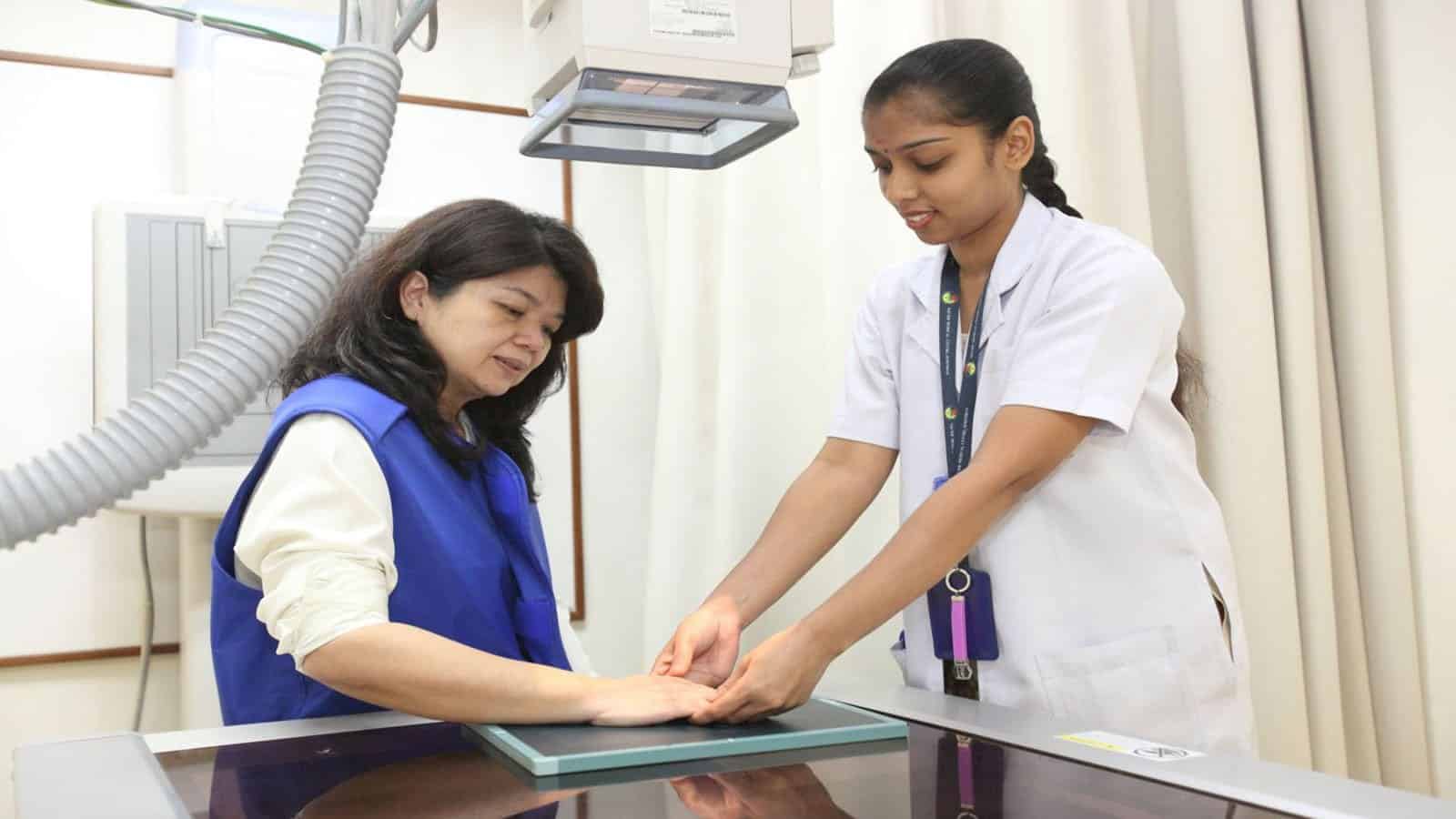
References

  1. AAD: Adult acne
  2. AAD: Acne overview
  3. AAD: Acne treatment