
Poor Weight Gain in Children: What Doctors Assess

Poor Weight Gain in Children: What Doctors Assess

Poor weight gain is identified from a child’s growth trend, not from comparing one child with a sibling or relying on a single measurement. The aim is to help patients describe the problem clearly and recognise when faster care is needed. This guide explains the practical differences patients and families should recognise before seeking care in Seremban.

Causes range from feeding difficulty and insufficient intake to gastrointestinal, heart, lung, endocrine or chronic inflammatory conditions. Genetics and normal variation also influence size, so context matters. Symptoms should be interpreted with the person’s age, medical history, medicines and the way the problem has changed over time. A focused assessment is therefore more useful than judging the condition from a single symptom or online picture.

poor weight gain child Seremban — CMH child-friendly ward
CMH child-friendly ward: the first step is matching the symptom pattern with an appropriate clinical assessment.

Key Takeaways

Key pointWhat it means
PatternPoor weight gain is identified from a child’s growth trend, not from comparing one child with a sibling or relying on a single measurement.
Possible causesCauses range from feeding difficulty and insufficient intake to gastrointestinal, heart, lung, endocrine or chronic inflammatory conditions.
AssessmentA paediatric assessment reviews birth history, feeding, stools, vomiting, development, illnesses and family growth patterns.
TreatmentManagement targets the cause and may involve feeding observation, dietetic support, treatment of an underlying condition and scheduled growth checks.
Urgent helpPrompt care is needed for dehydration, persistent vomiting, breathing difficulty during feeds, blood in stool, severe lethargy, swelling or rapid crossing down of growth measurements.

Why the growth trend matters more than one weight

Causes range from feeding difficulty and insufficient intake to gastrointestinal, heart, lung, endocrine or chronic inflammatory conditions. Genetics and normal variation also influence size, so context matters. Write down the first episode, the most recent episode and anything that has clearly changed. The timing, side of the body, triggers, associated symptoms and effect on daily function help separate common explanations from conditions that need earlier review. Guidance from WHO: Child growth standards supports looking at the whole clinical pattern rather than one isolated sign.

poor weight gain child Seremban — CMH children’s ward
CMH children’s ward: investigations are chosen to answer a specific clinical question.

Feeding, absorption and medical causes

A paediatric assessment reviews birth history, feeding, stools, vomiting, development, illnesses and family growth patterns. Accurate weight and length or height are plotted over time using appropriate growth standards. Bring relevant reports, scans and a complete list of prescribed and non-prescription products. A clinician may begin with simple observations and only add tests that can change the diagnosis or next step. WHO: Weight-for-age charts provides additional patient guidance about the relevant assessment pathway.

How growth and development are reviewed together

Management targets the cause and may involve feeding observation, dietetic support, treatment of an underlying condition and scheduled growth checks. Restrictive or high-calorie diets should not be started without age-appropriate advice. Ask how progress will be measured and when the diagnosis or treatment plan should be reconsidered. The safest plan also considers other medical conditions, pregnancy where relevant, allergies, kidney or liver function, current medicines and patient preferences. Follow-up should state what improvement is expected and when the plan needs review.

poor weight gain child Seremban — CMH family paediatric area
CMH family paediatric area: follow-up connects test findings with symptoms and response to treatment.

Preparing for an appointment about Poor weight gain child

For poor weight gain child, prepare a brief timeline: the first episode, the most recent episode, frequency, duration and any clear trigger. Note which home measures or prescribed treatments were tried, the dose and the response. Bring relevant reports and images rather than relying on memory. If symptoms come and go, a dated photograph, measurement or symptom diary may help the paediatrics team understand what happens between visits.

When Poor weight gain child needs urgent assessment

Prompt care is needed for dehydration, persistent vomiting, breathing difficulty during feeds, blood in stool, severe lethargy, swelling or rapid crossing down of growth measurements. When in doubt about a serious warning sign, urgent clinical triage is safer than self-diagnosis. These warning signs do not identify one diagnosis, but they can signal that waiting is unsafe. WHO: Child growth overview offers further authoritative background; local emergency instructions should take priority when symptoms are acute.

Frequently Asked Questions

Can poor weight gain child improve without specialist treatment?

Some short-lived or mild symptoms improve, but persistence, recurrence or loss of normal function changes the decision. Because poor weight gain child can have more than one cause, an examination is safer than repeatedly trying treatments without a diagnosis.

Does poor weight gain child always require a scan or procedure?

No. Tests are selected after the history and examination. A paediatric assessment reviews birth history, feeding, stools, vomiting, development, illnesses and family growth patterns. A scan, laboratory test or procedure is useful only when it is likely to clarify the cause or change management.

What should I record before a paediatrics appointment?

For poor weight gain child, write down when the problem started, how often it occurs, what makes it better or worse, and how it affects sleep, work, school or exercise. Bring previous reports, a current medicine list, allergies and relevant family history so that changes can be assessed in context.

Which warning signs make poor weight gain child urgent?

Prompt care is needed for dehydration, persistent vomiting, breathing difficulty during feeds, blood in stool, severe lethargy, swelling or rapid crossing down of growth measurements. When symptoms are severe, rapidly worsening or accompanied by collapse, breathing difficulty or a new neurological problem, use an emergency service rather than waiting for a routine appointment.

Who should assess poor weight gain child in Seremban?

The appropriate starting point for poor weight gain child depends on its pattern and urgency. CMH’s paediatrics service can assess problems within this specialty, while emergency symptoms require immediate hospital care. If you are unsure where to start, contact the hospital and describe the main symptom and how quickly it developed.

Getting paediatrics care in Seremban

For an individual assessment of poor weight gain child, visit the paediatrics service at CMH Specialist Hospital. You can also contact CMH for appointment information. The clinician will decide whether observation, testing, treatment or referral is appropriate after reviewing the full history and examination.

Related CMH Articles

Conclusion

Poor weight gain is identified from a child’s growth trend, not from comparing one child with a sibling or relying on a single measurement. The important next step is to match the pace of care to the warning signs and to base treatment on a clinical diagnosis, not on one symptom alone. This article provides general health information and does not replace an examination, diagnosis or personalised advice from a qualified healthcare professional.

References

  1. WHO: Child growth standards
  2. WHO: Weight-for-age charts
  3. WHO: Child growth overview

Childhood Asthma: Diagnosis, Inhaler Treatment and Action Plans

Childhood Asthma: Diagnosis, Inhaler Treatment and Action Plans

Childhood asthma can cause recurrent wheeze, cough, chest tightness or breathlessness, but not every noisy breath in a young child is asthma. A focused consultation can separate common causes from problems that should not be delayed. This guide explains the practical differences patients and families should recognise before seeking care in Seremban.

Symptoms that vary over time, worsen at night, follow exercise or occur with allergens support the possibility. Viral wheeze, infection, reflux and airway problems can look similar, particularly in preschool children. Symptoms should be interpreted with the person’s age, medical history, medicines and the way the problem has changed over time. A focused assessment is therefore more useful than judging the condition from a single symptom or online picture.

childhood asthma treatment Seremban — CMH paediatric care area
CMH paediatric care area: the first step is matching the symptom pattern with an appropriate clinical assessment.

Key Takeaways

Key pointWhat it means
PatternChildhood asthma can cause recurrent wheeze, cough, chest tightness or breathlessness, but not every noisy breath in a young child is asthma.
Possible causesSymptoms that vary over time, worsen at night, follow exercise or occur with allergens support the possibility.
AssessmentAssessment includes symptom patterns, family history, triggers, examination and age-appropriate breathing tests.
TreatmentCorrect inhaler and spacer technique is essential.
Urgent helpEmergency help is needed if a child struggles to speak or walk, has marked chest pulling, turns blue or grey, becomes exhausted, or does not improve with the prescribed reliever plan.

Recurrent wheeze is not always asthma

Symptoms that vary over time, worsen at night, follow exercise or occur with allergens support the possibility. Viral wheeze, infection, reflux and airway problems can look similar, particularly in preschool children. Photographs or a dated symptom log may help when the finding comes and goes between appointments. The timing, side of the body, triggers, associated symptoms and effect on daily function help separate common explanations from conditions that need earlier review. Guidance from CDC: Living with asthma supports looking at the whole clinical pattern rather than one isolated sign.

childhood asthma treatment Seremban — CMH paediatric facilities
CMH paediatric facilities: investigations are chosen to answer a specific clinical question.

How age affects asthma testing

Assessment includes symptom patterns, family history, triggers, examination and age-appropriate breathing tests. Response to treatment and follow-up over time can be part of confirming the diagnosis. A family member may help recall the history, but the patient’s privacy and preferences remain central. A clinician may begin with simple observations and only add tests that can change the diagnosis or next step. CDC: Asthma action plan provides additional patient guidance about the relevant assessment pathway.

Inhaler technique and the written action plan

Correct inhaler and spacer technique is essential. A written asthma action plan should explain daily treatment, signs of worsening, reliever use and when family or school carers should seek help. Clarify the expected timeline, possible side effects and the signs that should prompt an earlier review. The safest plan also considers other medical conditions, pregnancy where relevant, allergies, kidney or liver function, current medicines and patient preferences. Follow-up should state what improvement is expected and when the plan needs review.

childhood asthma treatment Seremban — CMH paediatric inpatient area
CMH paediatric inpatient area: follow-up connects test findings with symptoms and response to treatment.

Preparing for an appointment about Childhood asthma treatment

For childhood asthma treatment, prepare a brief timeline: the first episode, the most recent episode, frequency, duration and any clear trigger. Note which home measures or prescribed treatments were tried, the dose and the response. Bring relevant reports and images rather than relying on memory. If symptoms come and go, a dated photograph, measurement or symptom diary may help the paediatrics team understand what happens between visits.

When Childhood asthma treatment needs urgent assessment

Emergency help is needed if a child struggles to speak or walk, has marked chest pulling, turns blue or grey, becomes exhausted, or does not improve with the prescribed reliever plan. If the pattern is clearly different from usual, seek timely medical assessment rather than waiting. These warning signs do not identify one diagnosis, but they can signal that waiting is unsafe. NHLBI: Asthma offers further authoritative background; local emergency instructions should take priority when symptoms are acute.

Frequently Asked Questions

Can childhood asthma treatment improve without specialist treatment?

Some short-lived or mild symptoms improve, but persistence, recurrence or loss of normal function changes the decision. Because childhood asthma treatment can have more than one cause, an examination is safer than repeatedly trying treatments without a diagnosis.

Does childhood asthma treatment always require a scan or procedure?

No. Tests are selected after the history and examination. Assessment includes symptom patterns, family history, triggers, examination and age-appropriate breathing tests. A scan, laboratory test or procedure is useful only when it is likely to clarify the cause or change management.

What should I record before a paediatrics appointment?

For childhood asthma treatment, write down when the problem started, how often it occurs, what makes it better or worse, and how it affects sleep, work, school or exercise. Bring previous reports, a current medicine list, allergies and relevant family history so that changes can be assessed in context.

Which warning signs make childhood asthma treatment urgent?

Emergency help is needed if a child struggles to speak or walk, has marked chest pulling, turns blue or grey, becomes exhausted, or does not improve with the prescribed reliever plan. When symptoms are severe, rapidly worsening or accompanied by collapse, breathing difficulty or a new neurological problem, use an emergency service rather than waiting for a routine appointment.

Who should assess childhood asthma treatment in Seremban?

The appropriate starting point for childhood asthma treatment depends on its pattern and urgency. CMH’s paediatrics service can assess problems within this specialty, while emergency symptoms require immediate hospital care. If you are unsure where to start, contact the hospital and describe the main symptom and how quickly it developed.

Getting paediatrics care in Seremban

For an individual assessment of childhood asthma treatment, visit the paediatrics service at CMH Specialist Hospital. You can also contact CMH for appointment information. The clinician will decide whether observation, testing, treatment or referral is appropriate after reviewing the full history and examination.

Related CMH Articles

Conclusion

Childhood asthma can cause recurrent wheeze, cough, chest tightness or breathlessness, but not every noisy breath in a young child is asthma. The important next step is to match the pace of care to the warning signs and to base treatment on a clinical diagnosis, not on one symptom alone. This article provides general health information and does not replace an examination, diagnosis or personalised advice from a qualified healthcare professional.
References

  1. CDC: Living with asthma
  2. CDC: Asthma action plan
  3. NHLBI: Asthma

Fever in Children: When Home Monitoring Is Safe and When to Seek Care

Fever in Children: When Home Monitoring Is Safe and When to Seek Care

A fever is often part of the immune response to infection, but the child’s age, breathing, hydration and behaviour are more important than one number alone. Understanding the pattern helps a clinician decide which examination or test is useful. This guide explains the practical differences patients and families should recognise before seeking care in Seremban.

Children who are alert, drinking, passing urine and breathing comfortably can often be monitored with fluids and rest. Very young babies and children with chronic illness or reduced immunity need a lower threshold for medical advice. Symptoms should be interpreted with the person’s age, medical history, medicines and the way the problem has changed over time. A focused assessment is therefore more useful than judging the condition from a single symptom or online picture.

fever in children Seremban — CMH Paediatric Ward
CMH Paediatric Ward: the first step is matching the symptom pattern with an appropriate clinical assessment.

Key Takeaways

Key pointWhat it means
PatternA fever is often part of the immune response to infection, but the child’s age, breathing, hydration and behaviour are more important than one number alone.
Possible causesChildren who are alert, drinking, passing urine and breathing comfortably can often be monitored with fluids and rest.
AssessmentUse a reliable thermometer and record the temperature, medicines and fluid intake.
TreatmentGive only age-appropriate medicine at the correct dose and avoid aspirin in children.
Urgent helpUrgent care is needed for a baby under three months with 38°C or higher, breathing difficulty, a non-blanching rash, seizure, severe dehydration, unusual drowsiness or a child who appears seriously unwell.

The child’s behaviour matters more than one number

Children who are alert, drinking, passing urine and breathing comfortably can often be monitored with fluids and rest. Very young babies and children with chronic illness or reduced immunity need a lower threshold for medical advice. Before the visit, note associated symptoms and whether rest, meals, movement or medicines change the pattern. The timing, side of the body, triggers, associated symptoms and effect on daily function help separate common explanations from conditions that need earlier review. Guidance from American Academy of Pediatrics: Fever — when to call supports looking at the whole clinical pattern rather than one isolated sign.

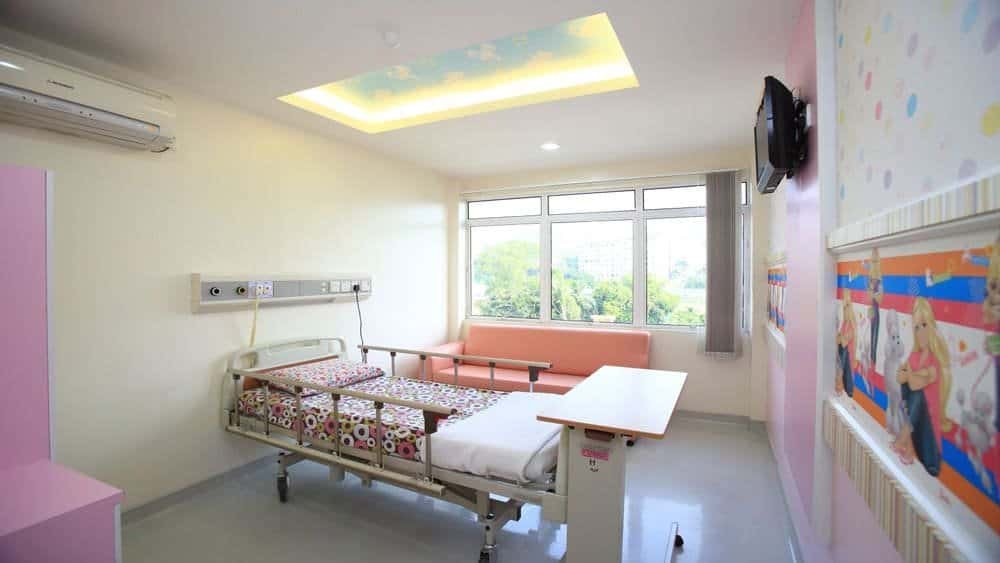
fever in children Seremban — CMH child-friendly ward
CMH child-friendly ward: investigations are chosen to answer a specific clinical question.

Age-specific fever warning signs

Use a reliable thermometer and record the temperature, medicines and fluid intake. A clinician may examine the ears, throat, lungs, skin and abdomen, with tests guided by age and findings rather than ordered automatically. If another clinic has already investigated the problem, organise those records by date for comparison. A clinician may begin with simple observations and only add tests that can change the diagnosis or next step. American Academy of Pediatrics: Fever guidance provides additional patient guidance about the relevant assessment pathway.

Hydration, comfort and safe home observation

Give only age-appropriate medicine at the correct dose and avoid aspirin in children. Do not use cold baths or excessive undressing; monitor for new symptoms and follow professional instructions. A written plan can help patients understand medicines, monitoring and the next appointment. The safest plan also considers other medical conditions, pregnancy where relevant, allergies, kidney or liver function, current medicines and patient preferences. Follow-up should state what improvement is expected and when the plan needs review.

fever in children Seremban — CMH children’s ward
CMH children’s ward: follow-up connects test findings with symptoms and response to treatment.

Preparing for an appointment about Fever in children

For fever in children, prepare a brief timeline: the first episode, the most recent episode, frequency, duration and any clear trigger. Note which home measures or prescribed treatments were tried, the dose and the response. Bring relevant reports and images rather than relying on memory. If symptoms come and go, a dated photograph, measurement or symptom diary may help the paediatrics team understand what happens between visits.

When Fever in children needs urgent assessment

Urgent care is needed for a baby under three months with 38°C or higher, breathing difficulty, a non-blanching rash, seizure, severe dehydration, unusual drowsiness or a child who appears seriously unwell. Severe or rapidly changing symptoms should be assessed through an emergency service, not a routine booking. These warning signs do not identify one diagnosis, but they can signal that waiting is unsafe. American Academy of Pediatrics: Urgent care, ER or paediatrician offers further authoritative background; local emergency instructions should take priority when symptoms are acute.

Frequently Asked Questions

Can fever in children improve without specialist treatment?

Some short-lived or mild symptoms improve, but persistence, recurrence or loss of normal function changes the decision. Because fever in children can have more than one cause, an examination is safer than repeatedly trying treatments without a diagnosis.

Does fever in children always require a scan or procedure?

No. Tests are selected after the history and examination. Use a reliable thermometer and record the temperature, medicines and fluid intake. A scan, laboratory test or procedure is useful only when it is likely to clarify the cause or change management.

What should I record before a paediatrics appointment?

For fever in children, write down when the problem started, how often it occurs, what makes it better or worse, and how it affects sleep, work, school or exercise. Bring previous reports, a current medicine list, allergies and relevant family history so that changes can be assessed in context.

Which warning signs make fever in children urgent?

Urgent care is needed for a baby under three months with 38°C or higher, breathing difficulty, a non-blanching rash, seizure, severe dehydration, unusual drowsiness or a child who appears seriously unwell. When symptoms are severe, rapidly worsening or accompanied by collapse, breathing difficulty or a new neurological problem, use an emergency service rather than waiting for a routine appointment.

Who should assess fever in children in Seremban?

The appropriate starting point for fever in children depends on its pattern and urgency. CMH’s paediatrics service can assess problems within this specialty, while emergency symptoms require immediate hospital care. If you are unsure where to start, contact the hospital and describe the main symptom and how quickly it developed.

Getting paediatrics care in Seremban

For an individual assessment of fever in children, visit the paediatrics service at CMH Specialist Hospital. You can also contact CMH for appointment information. The clinician will decide whether observation, testing, treatment or referral is appropriate after reviewing the full history and examination.

Related CMH Articles

Conclusion

A fever is often part of the immune response to infection, but the child’s age, breathing, hydration and behaviour are more important than one number alone. The important next step is to match the pace of care to the warning signs and to base treatment on a clinical diagnosis, not on one symptom alone. This article provides general health information and does not replace an examination, diagnosis or personalised advice from a qualified healthcare professional.

References

  1. American Academy of Pediatrics: Fever — when to call
  2. American Academy of Pediatrics: Fever guidance
  3. American Academy of Pediatrics: Urgent care, ER or paediatrician