
Cataracts: Early Vision Changes and How They Are Diagnosed
Cataracts gradually cloud the natural lens of the eye. Early changes can be subtle and may be mistaken for an outdated glasses prescription. The sections below outline practical next steps for patients considering specialist care in Seremban. This guide explains the practical differences patients and families should recognise before seeking care in Seremban.
Typical symptoms include glare, halos, faded colours, poorer night vision and frequent prescription changes. Cataracts usually develop slowly and are often painless; sudden visual loss suggests another cause. Symptoms should be interpreted with the person’s age, medical history, medicines and the way the problem has changed over time. A focused assessment is therefore more useful than judging the condition from a single symptom or online picture.
Key Takeaways
| Key point | What it means |
|---|---|
| Pattern | Cataracts gradually cloud the natural lens of the eye. |
| Possible causes | Typical symptoms include glare, halos, faded colours, poorer night vision and frequent prescription changes. |
| Assessment | Diagnosis uses visual-acuity testing and a slit-lamp examination after reviewing how vision affects reading, driving and daily tasks. |
| Treatment | Updated glasses, better lighting and glare control may help initially. |
| Urgent help | Prompt assessment is required for sudden deterioration, severe pain, a red eye, flashes, a curtain-like shadow, double vision with neurological symptoms or eye injury. |
Early cataract symptoms can be subtle
Typical symptoms include glare, halos, faded colours, poorer night vision and frequent prescription changes. Cataracts usually develop slowly and are often painless; sudden visual loss suggests another cause. Record when symptoms begin, their duration, triggers and any effect on sleep or daily activity. The timing, side of the body, triggers, associated symptoms and effect on daily function help separate common explanations from conditions that need earlier review. Guidance from NEI: Cataracts supports looking at the whole clinical pattern rather than one isolated sign.
How a dilated eye examination confirms cataract
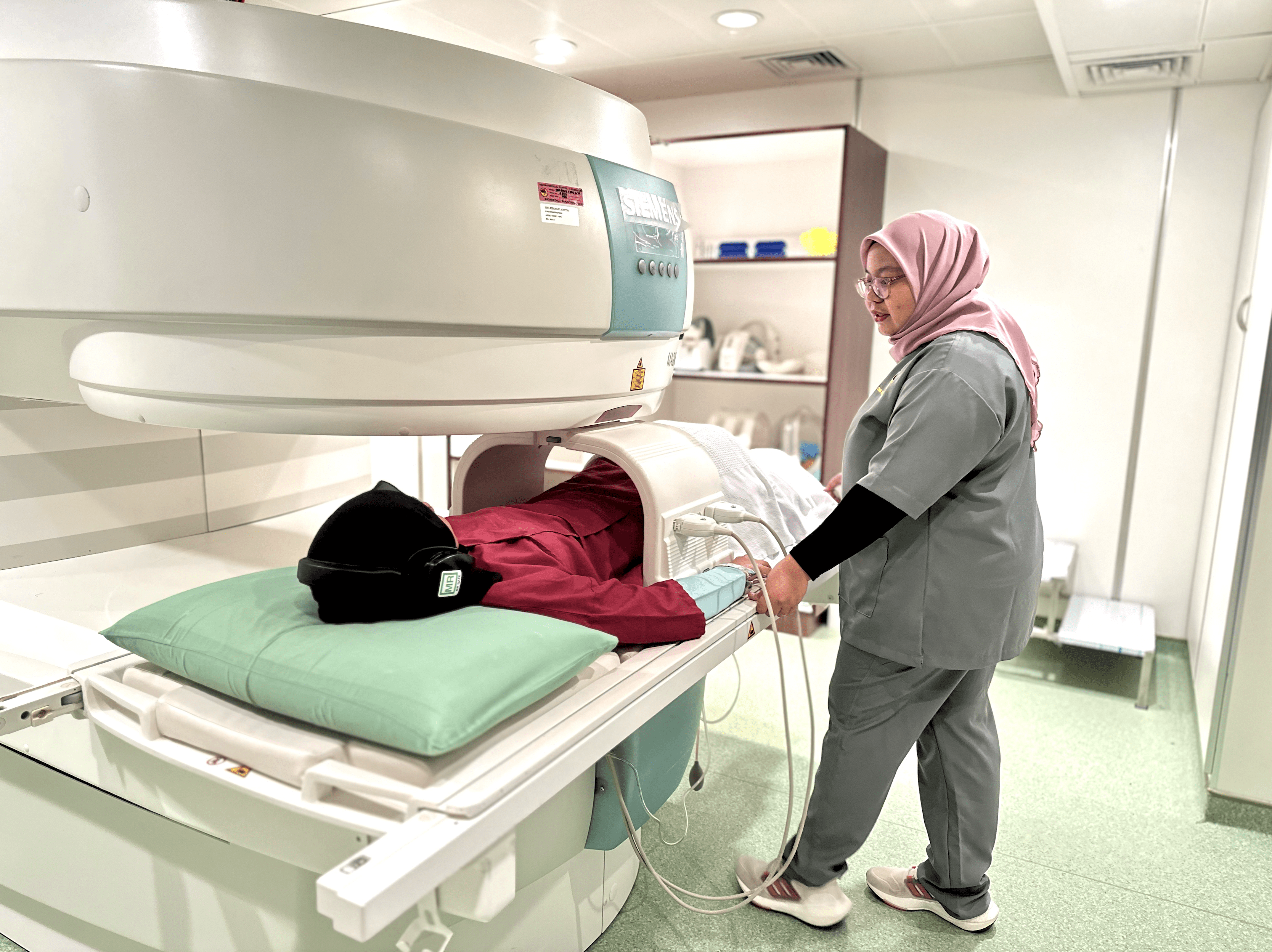
Diagnosis uses visual-acuity testing and a slit-lamp examination after reviewing how vision affects reading, driving and daily tasks. The clinician also checks for glaucoma, retinal disease and other contributors to reduced sight. Previous test results and the names and doses of current medicines provide important context. A clinician may begin with simple observations and only add tests that can change the diagnosis or next step. NEI: Dilated eye exam provides additional patient guidance about the relevant assessment pathway.
When surgery becomes a practical option
Updated glasses, better lighting and glare control may help initially. Surgery is considered when cataract-related impairment meaningfully affects daily life and expected benefits outweigh individual risks. Confirm which changes are expected, which are not, and who to contact if symptoms worsen. The safest plan also considers other medical conditions, pregnancy where relevant, allergies, kidney or liver function, current medicines and patient preferences. Follow-up should state what improvement is expected and when the plan needs review.
Preparing for an appointment about Cataract diagnosis
For cataract diagnosis, prepare a brief timeline: the first episode, the most recent episode, frequency, duration and any clear trigger. Note which home measures or prescribed treatments were tried, the dose and the response. Bring relevant reports and images rather than relying on memory. If symptoms come and go, a dated photograph, measurement or symptom diary may help the ophthalmology team understand what happens between visits.
When Cataract diagnosis needs urgent assessment
Prompt assessment is required for sudden deterioration, severe pain, a red eye, flashes, a curtain-like shadow, double vision with neurological symptoms or eye injury. Emergency symptoms require immediate attention even if a routine specialist visit is already arranged. These warning signs do not identify one diagnosis, but they can signal that waiting is unsafe. NEI: Cataract patient booklet offers further authoritative background; local emergency instructions should take priority when symptoms are acute.
Frequently Asked Questions
Can cataract diagnosis improve without specialist treatment?
Some short-lived or mild symptoms improve, but persistence, recurrence or loss of normal function changes the decision. Because cataract diagnosis can have more than one cause, an examination is safer than repeatedly trying treatments without a diagnosis.
Does cataract diagnosis always require a scan or procedure?
No. Tests are selected after the history and examination. Diagnosis uses visual-acuity testing and a slit-lamp examination after reviewing how vision affects reading, driving and daily tasks. A scan, laboratory test or procedure is useful only when it is likely to clarify the cause or change management.
What should I record before a ophthalmology appointment?
For cataract diagnosis, write down when the problem started, how often it occurs, what makes it better or worse, and how it affects sleep, work, school or exercise. Bring previous reports, a current medicine list, allergies and relevant family history so that changes can be assessed in context.
Which warning signs make cataract diagnosis urgent?
Prompt assessment is required for sudden deterioration, severe pain, a red eye, flashes, a curtain-like shadow, double vision with neurological symptoms or eye injury. When symptoms are severe, rapidly worsening or accompanied by collapse, breathing difficulty or a new neurological problem, use an emergency service rather than waiting for a routine appointment.
Who should assess cataract diagnosis in Seremban?
The appropriate starting point for cataract diagnosis depends on its pattern and urgency. CMH’s ophthalmology service can assess problems within this specialty, while emergency symptoms require immediate hospital care. If you are unsure where to start, contact the hospital and describe the main symptom and how quickly it developed.
Getting ophthalmology care in Seremban
For an individual assessment of cataract diagnosis, visit the ophthalmology service at CMH Specialist Hospital. You can also contact CMH for appointment information. The clinician will decide whether observation, testing, treatment or referral is appropriate after reviewing the full history and examination.
Related CMH Articles
- Sudden Blurred Vision: When It Is an Eye Emergency
- Glaucoma Screening: Why Eye Pressure Alone Is Not Enough
- Childhood Asthma: Diagnosis, Inhaler Treatment and Action Plans
Conclusion
Cataracts gradually cloud the natural lens of the eye. The important next step is to match the pace of care to the warning signs and to base treatment on a clinical diagnosis, not on one symptom alone. This article provides general health information and does not replace an examination, diagnosis or personalised advice from a qualified healthcare professional.