
Morning Joint Stiffness: When It May Be Inflammatory Arthritis
Morning stiffness that lasts well beyond getting out of bed may point to inflammation, especially when joints are swollen, warm or affected on both sides. The sections below outline practical next steps for patients considering specialist care in Seremban. This guide explains the practical differences patients and families should recognise before seeking care in Seremban.
Inflammatory arthritis commonly improves somewhat with movement and worsens after rest. Osteoarthritis can also feel stiff, but its pattern, duration and joint distribution often differ. Infection and crystal arthritis must be considered when one joint becomes acutely hot. Symptoms should be interpreted with the person’s age, medical history, medicines and the way the problem has changed over time. A focused assessment is therefore more useful than judging the condition from a single symptom or online picture.

Key Takeaways
| Key point | What it means |
|---|---|
| Pattern | Morning stiffness that lasts well beyond getting out of bed may point to inflammation, especially when joints are swollen, warm or affected on both sides. |
| Possible causes | Inflammatory arthritis commonly improves somewhat with movement and worsens after rest. |
| Assessment | A rheumatology assessment maps which joints are involved and checks swelling, movement, skin, nails and systemic symptoms. |
| Treatment | Early diagnosis matters because disease-modifying treatment can protect joints in conditions such as rheumatoid arthritis. |
| Urgent help | Urgent care is needed for a suddenly hot swollen joint with fever, inability to bear weight, severe eye pain or redness, chest pain, marked weakness or rapidly progressive symptoms. |
Inflammatory stiffness versus mechanical stiffness
Inflammatory arthritis commonly improves somewhat with movement and worsens after rest. Osteoarthritis can also feel stiff, but its pattern, duration and joint distribution often differ. Infection and crystal arthritis must be considered when one joint becomes acutely hot. Record when symptoms begin, their duration, triggers and any effect on sleep or daily activity. The timing, side of the body, triggers, associated symptoms and effect on daily function help separate common explanations from conditions that need earlier review. Guidance from NIAMS: Rheumatoid arthritis overview supports looking at the whole clinical pattern rather than one isolated sign.

Joint patterns that raise suspicion for arthritis
A rheumatology assessment maps which joints are involved and checks swelling, movement, skin, nails and systemic symptoms. Blood tests and imaging support the clinical picture; normal inflammatory markers do not rule out every inflammatory condition. Previous test results and the names and doses of current medicines provide important context. A clinician may begin with simple observations and only add tests that can change the diagnosis or next step. NIAMS: Rheumatoid arthritis diagnosis and treatment provides additional patient guidance about the relevant assessment pathway.
Why early assessment can protect function
Early diagnosis matters because disease-modifying treatment can protect joints in conditions such as rheumatoid arthritis. Exercise and pain management are tailored to the diagnosis rather than prescribed from symptoms alone. Confirm which changes are expected, which are not, and who to contact if symptoms worsen. The safest plan also considers other medical conditions, pregnancy where relevant, allergies, kidney or liver function, current medicines and patient preferences. Follow-up should state what improvement is expected and when the plan needs review.
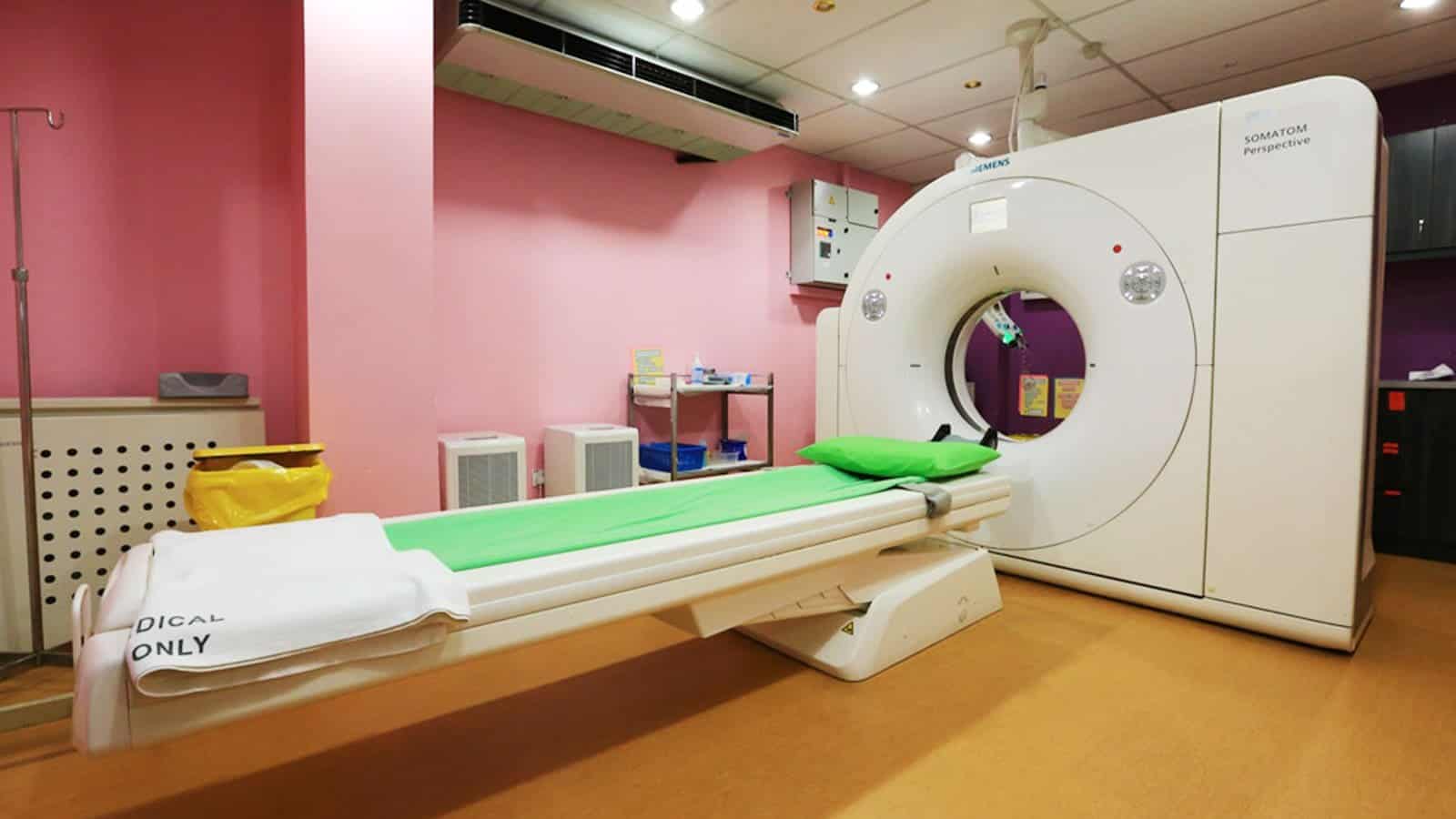
Preparing for an appointment about Morning joint stiffness
For morning joint stiffness, prepare a brief timeline: the first episode, the most recent episode, frequency, duration and any clear trigger. Note which home measures or prescribed treatments were tried, the dose and the response. Bring relevant reports and images rather than relying on memory. If symptoms come and go, a dated photograph, measurement or symptom diary may help the rheumatology team understand what happens between visits.
When Morning joint stiffness needs urgent assessment
Urgent care is needed for a suddenly hot swollen joint with fever, inability to bear weight, severe eye pain or redness, chest pain, marked weakness or rapidly progressive symptoms. Emergency symptoms require immediate attention even if a routine specialist visit is already arranged. These warning signs do not identify one diagnosis, but they can signal that waiting is unsafe. NIAMS: Arthritis diagnosis and treatment offers further authoritative background; local emergency instructions should take priority when symptoms are acute.
Frequently Asked Questions
Can morning joint stiffness improve without specialist treatment?
Some short-lived or mild symptoms improve, but persistence, recurrence or loss of normal function changes the decision. Because morning joint stiffness can have more than one cause, an examination is safer than repeatedly trying treatments without a diagnosis.
Does morning joint stiffness always require a scan or procedure?
No. Tests are selected after the history and examination. A rheumatology assessment maps which joints are involved and checks swelling, movement, skin, nails and systemic symptoms. A scan, laboratory test or procedure is useful only when it is likely to clarify the cause or change management.
What should I record before a rheumatology appointment?
For morning joint stiffness, write down when the problem started, how often it occurs, what makes it better or worse, and how it affects sleep, work, school or exercise. Bring previous reports, a current medicine list, allergies and relevant family history so that changes can be assessed in context.
Which warning signs make morning joint stiffness urgent?
Urgent care is needed for a suddenly hot swollen joint with fever, inability to bear weight, severe eye pain or redness, chest pain, marked weakness or rapidly progressive symptoms. When symptoms are severe, rapidly worsening or accompanied by collapse, breathing difficulty or a new neurological problem, use an emergency service rather than waiting for a routine appointment.
Who should assess morning joint stiffness in Seremban?
The appropriate starting point for morning joint stiffness depends on its pattern and urgency. CMH’s rheumatology service can assess problems within this specialty, while emergency symptoms require immediate hospital care. If you are unsure where to start, contact the hospital and describe the main symptom and how quickly it developed.
Getting rheumatology care in Seremban
For an individual assessment of morning joint stiffness, visit the rheumatology service at CMH Specialist Hospital. You can also contact CMH for appointment information. The clinician will decide whether observation, testing, treatment or referral is appropriate after reviewing the full history and examination.
Related CMH Articles
- Managing Recurrent Gout Attacks: Uric Acid Targets, Medicines and Prevention
- Rheumatoid Arthritis Blood Tests: RF, Anti-CCP, ESR and CRP Explained
- Living With Lupus: Monitoring Tests and Flare Warning Signs
Conclusion
Morning stiffness that lasts well beyond getting out of bed may point to inflammation, especially when joints are swollen, warm or affected on both sides. The important next step is to match the pace of care to the warning signs and to base treatment on a clinical diagnosis, not on one symptom alone. This article provides general health information and does not replace an examination, diagnosis or personalised advice from a qualified healthcare professional.