
Knee Pain in Seremban: When Should You See an Orthopaedic Specialist?
Knee pain can begin after a fall, a sudden turn during sport, a long walk or without one obvious injury. For some people, it is a short-lived strain. For others, repeated swelling, locking or difficulty climbing stairs may indicate a problem involving cartilage, ligaments, bone or the joint lining.
If you are searching for knee pain treatment in Seremban, the most useful first step is not choosing a scan or operation. It is obtaining an accurate assessment. A doctor needs to understand when the pain started, where it is felt, which movements aggravate it and whether the knee feels unstable.

Key Takeaways
| Key Point | Summary |
|---|---|
| When should knee pain be assessed? | Seek assessment when pain follows significant injury, persists, recurs, limits walking or is accompanied by swelling, locking or instability. |
| Is every knee problem arthritis? | No. Meniscus injuries, ligament sprains, tendon problems, fractures and inflammatory conditions may cause similar symptoms. |
| Is an MRI always required? | No. Medical history and examination guide whether an X-ray, MRI or another test is appropriate. |
| Does knee pain always require surgery? | No. Many conditions are initially managed with activity modification, medication when suitable and rehabilitation. |
| Where should the article link? | Link naturally to CMH’s orthopaedic services in Seremban. |
Common Causes of Knee Pain
Osteoarthritis
Knee osteoarthritis develops when joint cartilage changes and becomes less effective at providing a smooth, cushioned surface. Pain and stiffness are common, especially after inactivity or with prolonged weight-bearing. The American Academy of Orthopaedic Surgeons explains that osteoarthritis usually develops gradually, although symptoms and progression differ between people.
Meniscus injury
The menisci are cartilage structures that distribute load and help stabilise the knee. A tear may follow twisting during sport or occur in tissue that has become more vulnerable with age. According to AAOS guidance on meniscus tears, symptoms may include pain, swelling, catching, locking, giving way or reduced range of movement.
Ligament sprain or tear
The anterior cruciate ligament, collateral ligaments and other supporting tissues may be injured through sudden direction changes, awkward landings or direct impact. A patient may report a pop, rapid swelling or instability. Examination helps determine whether the injury is mild, partial or potentially complete.
Tendon and soft-tissue problems
Repetitive loading can irritate tendons around the knee. Pain may be localised above or below the kneecap and worsen with running, jumping or stairs. Bursitis and muscle strain can also cause pain and swelling.
Fracture or bone injury
A fall, road accident or direct impact can cause a fracture. In older adults or people with weaker bones, a lower-energy injury may still be significant. Inability to bear weight, deformity or severe pain requires prompt medical care.
Warning Signs That Need Urgent Attention
Go to an emergency department after major trauma or when the knee looks deformed, a wound exposes deeper tissue, the foot becomes cold or numb, or pain is severe and worsening. Fever with a hot, swollen joint also requires urgent assessment because infection is one possible cause.
CMH Specialist Hospital provides a 24-hour Accident and Emergency service in Seremban for urgent problems. Do not drive yourself if the injury makes it unsafe to control a vehicle.
When to Book an Orthopaedic Appointment
Consider a planned consultation when:
- Pain has not improved as expected;
- Swelling keeps returning;
- The knee catches or locks;
- It repeatedly gives way;
- Walking, stairs, work or sleep are affected;
- You cannot return to sport safely;
- Symptoms follow a previous ligament or meniscus injury; or
- You want a clear diagnosis before beginning treatment.
How Knee Pain Is Assessed
The consultation usually begins with the history of the problem. The doctor may ask about trauma, swelling, sounds at the time of injury, morning stiffness, fever, previous surgery and the activities you want to resume.
During examination, the specialist may compare both knees, assess alignment, locate tenderness, measure movement and test stability. Different manoeuvres can help identify whether the meniscus, ligaments, kneecap or another structure may be involved.

X-Ray, MRI or Other Tests?
An X-ray shows bone alignment, fractures and many arthritic changes. It does not directly show a meniscus tear. MRI can show ligaments, cartilage, tendons and other soft tissues, but it is not automatically necessary for every painful knee. Imaging should answer a clinical question and influence management.
CMH’s imaging services in Seremban include X-ray, CT and MRI. The appropriate test depends on examination findings and the suspected condition.
Treatment Options
Non-surgical care
Depending on the diagnosis, early treatment may include temporarily reducing aggravating activity, using an appropriate support, applying cold therapy after an acute injury, taking medication when medically suitable and beginning a structured rehabilitation programme.
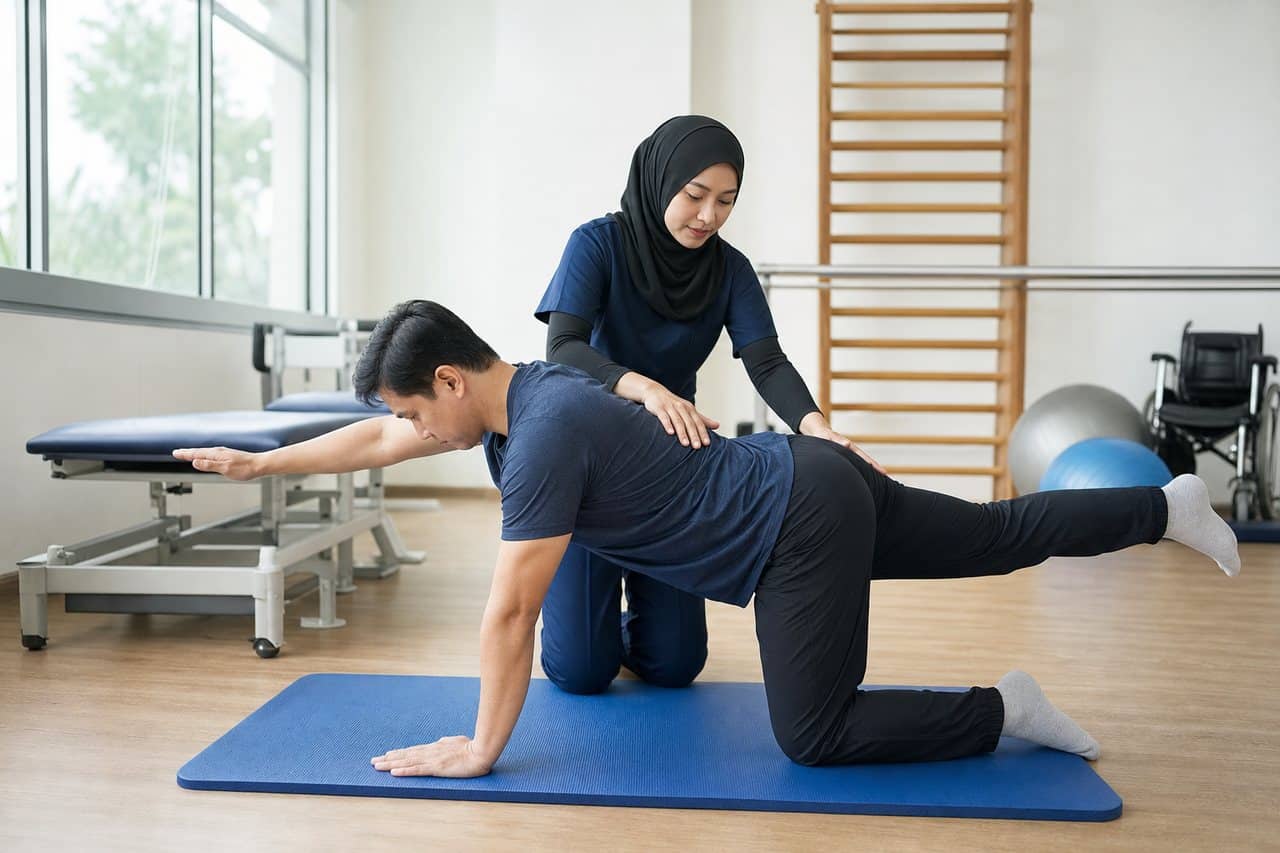
The goal is not simply to rest indefinitely. Rehabilitation may improve movement, strength, balance and confidence. CMH also provides physiotherapy services for musculoskeletal rehabilitation.
Injections
Selected patients may be offered an injection as part of a broader plan. The choice depends on diagnosis, medical history, severity and treatment goals. An injection should not replace appropriate diagnosis or rehabilitation.
Surgery
Surgery may be discussed for certain unstable ligament injuries, repairable meniscus tears, significant mechanical symptoms, fractures or advanced joint damage that remains disabling despite appropriate non-surgical care. Even when surgery is appropriate, the exact procedure and recovery plan must be individualised.
Frequently Asked Questions
Can I walk with knee pain?
Gentle movement may be reasonable for mild symptoms, but do not push through severe pain, instability or inability to bear weight. Major injury requires assessment.
Does clicking mean my knee is damaged?
Not always. Painless sounds can occur in healthy knees. Clicking with pain, swelling, locking or giving way deserves assessment.
Do I need an MRI before seeing a specialist?
Usually not. Bring any existing reports or images, but let the clinical assessment determine whether new imaging is useful.
Can knee arthritis be cured?
Osteoarthritis is usually managed rather than cured. Treatment aims to reduce symptoms, preserve function and support activity.
When can I return to sport?
Return should be based on diagnosis, strength, movement, balance and sport-specific function rather than time alone.
Which doctor treats knee pain?
An orthopaedic specialist assesses bone, joint, ligament, tendon and cartilage problems. Emergency symptoms should go directly to emergency care.
Conclusion
Knee pain is a symptom, not a single diagnosis. Persistent swelling, locking, instability or reduced function should be assessed so treatment can match the underlying problem. CMH Specialist Hospital offers orthopaedic consultation, imaging, physiotherapy and emergency support within one hospital setting in Seremban.
This article provides general information and does not replace personal medical advice.
