Hearing Loss in One Ear: Causes That Need Prompt Attention

Hearing Loss in One Ear: Causes That Need Prompt Attention

Hearing loss affecting only one ear deserves careful assessment, especially when it begins suddenly or comes with dizziness or neurological symptoms. Understanding the pattern helps a clinician decide which examination or test is useful. This guide explains the practical differences patients and families should recognise before seeking care in Seremban.

Wax, infection and fluid behind the eardrum can reduce sound conduction, while inner-ear or nerve problems affect how sound signals reach the brain. The timing and associated symptoms help determine urgency. Symptoms should be interpreted with the person’s age, medical history, medicines and the way the problem has changed over time. A focused assessment is therefore more useful than judging the condition from a single symptom or online picture.
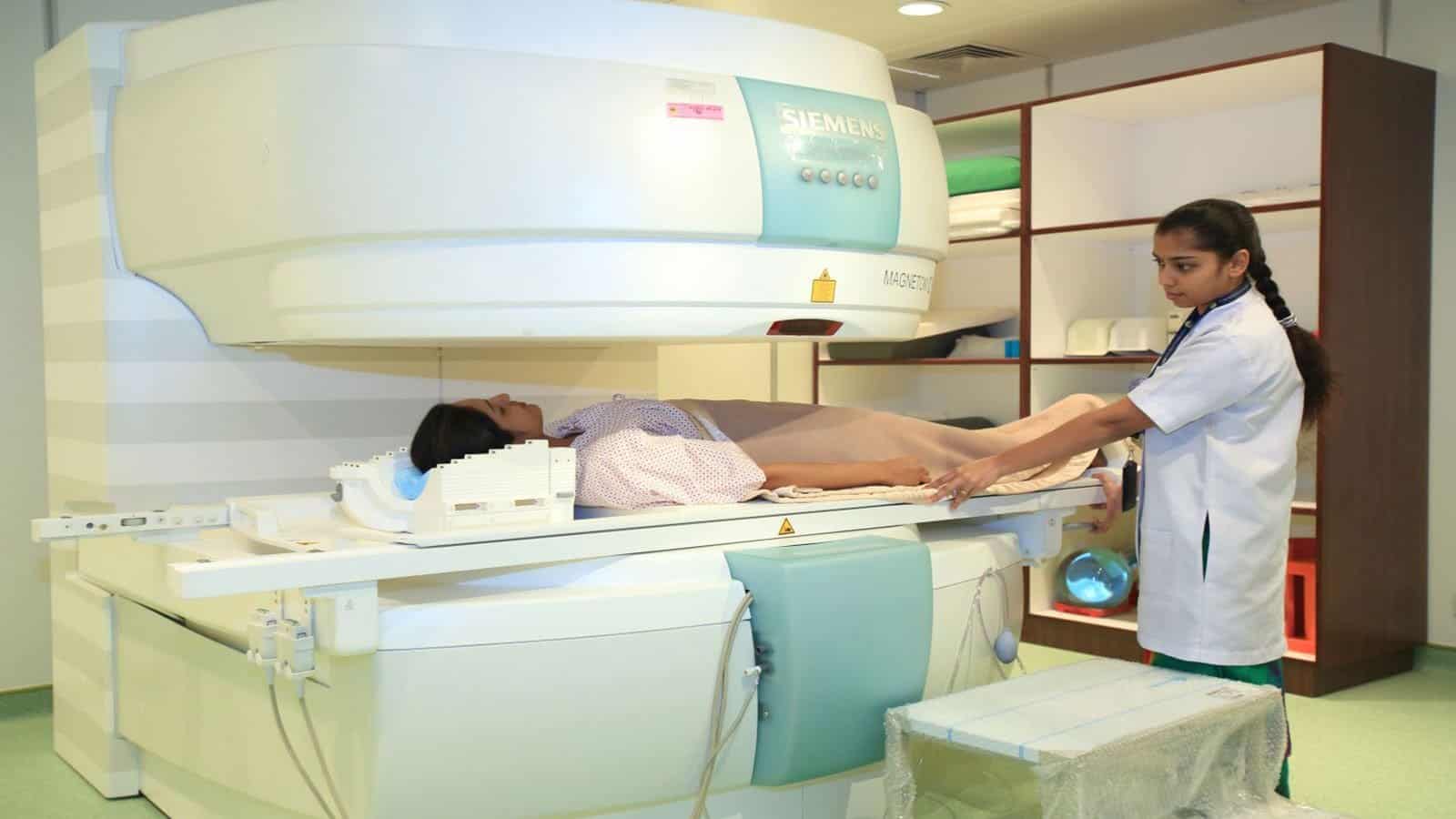
one-sided hearing loss Seremban — CMH MRI facility
CMH MRI facility: the first step is matching the symptom pattern with an appropriate clinical assessment.

Key Takeaways

Key pointWhat it means
PatternHearing loss affecting only one ear deserves careful assessment, especially when it begins suddenly or comes with dizziness or neurological symptoms.
Possible causesWax, infection and fluid behind the eardrum can reduce sound conduction, while inner-ear or nerve problems affect how sound signals reach the brain.
AssessmentAssessment may include examination of the ear canal and eardrum, bedside tuning-fork tests and formal hearing tests.
TreatmentTreatment depends on the diagnosis.
Urgent helpSudden hearing loss developing over hours or a few days is time-sensitive.

Conductive versus sensorineural hearing loss

Wax, infection and fluid behind the eardrum can reduce sound conduction, while inner-ear or nerve problems affect how sound signals reach the brain. The timing and associated symptoms help determine urgency. Before the visit, note associated symptoms and whether rest, meals, movement or medicines change the pattern. The timing, side of the body, triggers, associated symptoms and effect on daily function help separate common explanations from conditions that need earlier review. Guidance from NIDCD: Sudden deafness supports looking at the whole clinical pattern rather than one isolated sign.

one-sided hearing loss Seremban — CMH MRI scanner
CMH MRI scanner: investigations are chosen to answer a specific clinical question.

Why sudden one-sided loss is time-sensitive

Assessment may include examination of the ear canal and eardrum, bedside tuning-fork tests and formal hearing tests. Imaging is considered when findings suggest an inner-ear, nerve or structural cause rather than being routine for every blocked ear. If another clinic has already investigated the problem, organise those records by date for comparison. A clinician may begin with simple observations and only add tests that can change the diagnosis or next step. NHS: Hearing loss provides additional patient guidance about the relevant assessment pathway.

Tests used to locate the hearing problem

Treatment depends on the diagnosis. Wax removal, infection care, hearing support or specialist treatment may be appropriate, but putting drops or objects into the ear without knowing the cause can worsen some conditions. A written plan can help patients understand medicines, monitoring and the next appointment. The safest plan also considers other medical conditions, pregnancy where relevant, allergies, kidney or liver function, current medicines and patient preferences. Follow-up should state what improvement is expected and when the plan needs review.

one-sided hearing loss Seremban — CMH ear, nose and throat service
CMH ear, nose and throat service: follow-up connects test findings with symptoms and response to treatment.

Preparing for an appointment about One-sided hearing loss

For one-sided hearing loss, prepare a brief timeline: the first episode, the most recent episode, frequency, duration and any clear trigger. Note which home measures or prescribed treatments were tried, the dose and the response. Bring relevant reports and images rather than relying on memory. If symptoms come and go, a dated photograph, measurement or symptom diary may help the ENT team understand what happens between visits.

When One-sided hearing loss needs urgent assessment

Sudden hearing loss developing over hours or a few days is time-sensitive. Seek prompt care if it accompanies severe vertigo, facial weakness, new numbness, severe headache, ear injury, discharge or other neurological changes. Severe or rapidly changing symptoms should be assessed through an emergency service, not a routine booking. These warning signs do not identify one diagnosis, but they can signal that waiting is unsafe. NIDCD: Hearing aids offers further authoritative background; local emergency instructions should take priority when symptoms are acute.

Frequently Asked Questions

Can one-sided hearing loss improve without specialist treatment?

Some short-lived or mild symptoms improve, but persistence, recurrence or loss of normal function changes the decision. Because one-sided hearing loss can have more than one cause, an examination is safer than repeatedly trying treatments without a diagnosis.

Does one-sided hearing loss always require a scan or procedure?

No. Tests are selected after the history and examination. Assessment may include examination of the ear canal and eardrum, bedside tuning-fork tests and formal hearing tests. A scan, laboratory test or procedure is useful only when it is likely to clarify the cause or change management.

What should I record before a ENT appointment?

For one-sided hearing loss, write down when the problem started, how often it occurs, what makes it better or worse, and how it affects sleep, work, school or exercise. Bring previous reports, a current medicine list, allergies and relevant family history so that changes can be assessed in context.

Which warning signs make one-sided hearing loss urgent?

Sudden hearing loss developing over hours or a few days is time-sensitive. When symptoms are severe, rapidly worsening or accompanied by collapse, breathing difficulty or a new neurological problem, use an emergency service rather than waiting for a routine appointment.

Who should assess one-sided hearing loss in Seremban?

The appropriate starting point for one-sided hearing loss depends on its pattern and urgency. CMH’s ENT service can assess problems within this specialty, while emergency symptoms require immediate hospital care. If you are unsure where to start, contact the hospital and describe the main symptom and how quickly it developed.

Getting ENT care in Seremban

For an individual assessment of one-sided hearing loss, visit the ENT service at CMH Specialist Hospital. You can also contact CMH for appointment information. The clinician will decide whether observation, testing, treatment or referral is appropriate after reviewing the full history and examination.

Related CMH Articles

Conclusion

Hearing loss affecting only one ear deserves careful assessment, especially when it begins suddenly or comes with dizziness or neurological symptoms. The important next step is to match the pace of care to the warning signs and to base treatment on a clinical diagnosis, not on one symptom alone. This article provides general health information and does not replace an examination, diagnosis or personalised advice from a qualified healthcare professional.
References

  1. NIDCD: Sudden deafness
  2. NHS: Hearing loss
  3. NIDCD: Hearing aids

Recurrent Sore Throat and Tonsillitis: When Is ENT Assessment Needed?

Recurrent Sore Throat and Tonsillitis: When Is ENT Assessment Needed?

Tonsillitis often causes throat pain, fever, painful swallowing and swollen neck glands, but reflux, allergy, viral infections and other problems can create similar symptoms. The number, severity and documented pattern of episodes matter. Here is how patients and families can prepare for an appropriate assessment in Seremban. This guide explains the practical differences patients and families should recognise before seeking care in Seremban.

Clinicians look for inflamed tonsils, pus, tender glands, fever and the absence or presence of cough. A throat swab or other test is used only when it will change management; repeated antibiotics without a clear bacterial indication may not help. Symptoms should be interpreted with the person’s age, medical history, medicines and the way the problem has changed over time. A focused assessment is therefore more useful than judging the condition from a single symptom or online picture.

recurrent tonsillitis Seremban — CMH Imaging Department
CMH Imaging Department: the first step is matching the symptom pattern with an appropriate clinical assessment.

Key Takeaways

Key pointWhat it means
PatternTonsillitis often causes throat pain, fever, painful swallowing and swollen neck glands, but reflux, allergy, viral infections and other problems can create similar symptoms.
Possible causesClinicians look for inflamed tonsils, pus, tender glands, fever and the absence or presence of cough.
AssessmentKeep a record of dates, fever, missed school or work, treatment and test results.
TreatmentManagement can include fluids, pain relief suitable for the patient, and antibiotics for selected bacterial infections.
Urgent helpSeek urgent help for breathing difficulty, inability to swallow saliva, severe dehydration, a muffled voice, swelling mainly on one side, neck stiffness or rapidly worsening illness.

When a sore throat is truly recurrent tonsillitis

Clinicians look for inflamed tonsils, pus, tender glands, fever and the absence or presence of cough. A throat swab or other test is used only when it will change management; repeated antibiotics without a clear bacterial indication may not help. A short timeline noting frequency, severity and recent changes can make the consultation more useful. The timing, side of the body, triggers, associated symptoms and effect on daily function help separate common explanations from conditions that need earlier review. Guidance from NHS: Tonsillitis supports looking at the whole clinical pattern rather than one isolated sign.

recurrent tonsillitis Seremban — CMH imaging examination room
CMH imaging examination room: investigations are chosen to answer a specific clinical question.

What to document before discussing tonsil surgery

Keep a record of dates, fever, missed school or work, treatment and test results. ENT assessment may be useful when episodes are frequent, severe, associated with abscess, or causing major disruption despite appropriate care. Prepare allergies, medical conditions and earlier treatment responses so they can be reviewed accurately. A clinician may begin with simple observations and only add tests that can change the diagnosis or next step. NHS England: Recurrent tonsillitis decision aid provides additional patient guidance about the relevant assessment pathway.

How benefits and surgical risks are weighed

Management can include fluids, pain relief suitable for the patient, and antibiotics for selected bacterial infections. Tonsil surgery has benefits and risks, and the decision depends on documented frequency, complications and individual circumstances. Follow-up is important when the response is incomplete or new symptoms appear. The safest plan also considers other medical conditions, pregnancy where relevant, allergies, kidney or liver function, current medicines and patient preferences. Follow-up should state what improvement is expected and when the plan needs review.

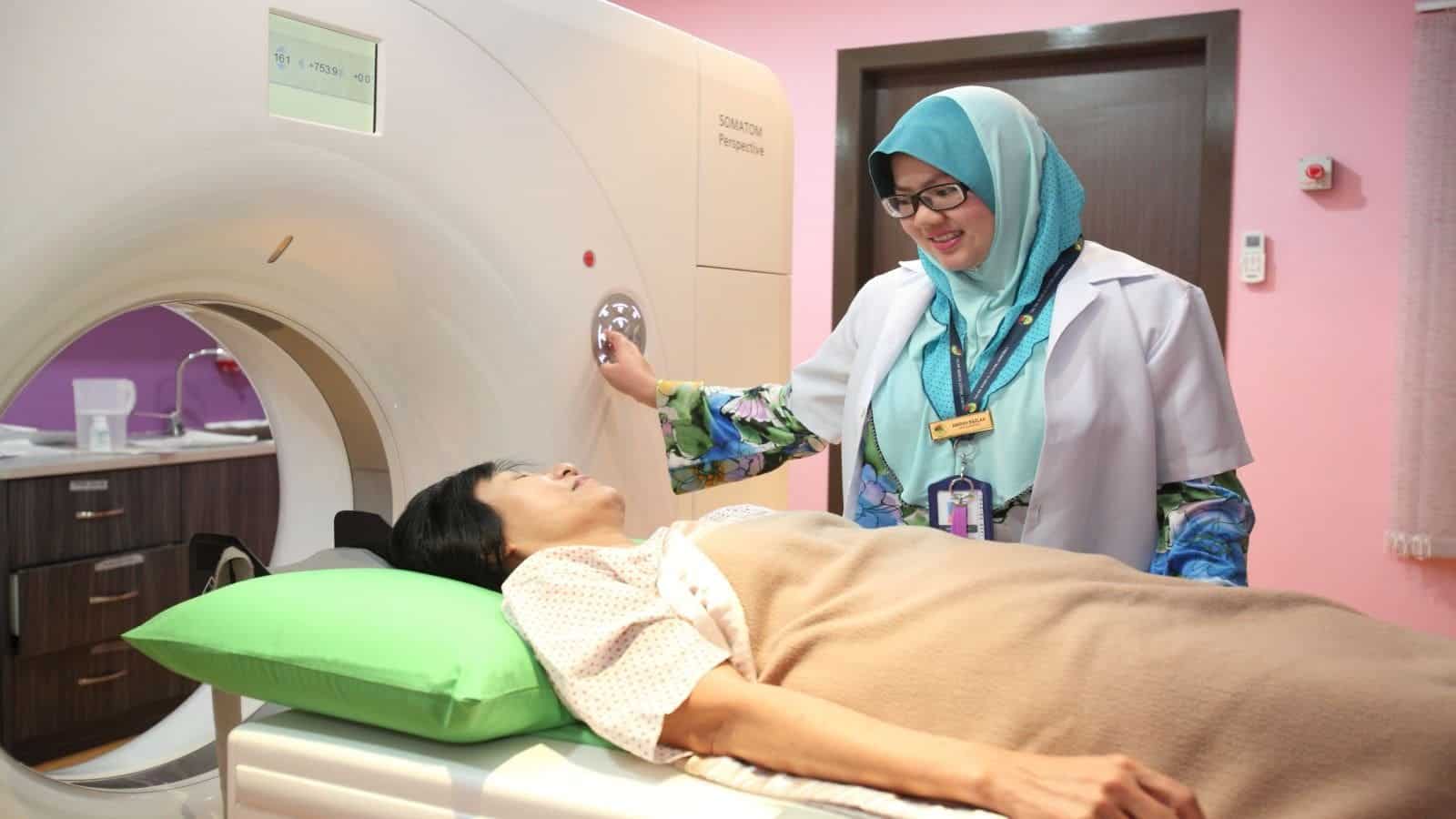
recurrent tonsillitis Seremban — CMH CT scanner
CMH CT scanner: follow-up connects test findings with symptoms and response to treatment.

Preparing for an appointment about Recurrent tonsillitis

For recurrent tonsillitis, prepare a brief timeline: the first episode, the most recent episode, frequency, duration and any clear trigger. Note which home measures or prescribed treatments were tried, the dose and the response. Bring relevant reports and images rather than relying on memory. If symptoms come and go, a dated photograph, measurement or symptom diary may help the ENT team understand what happens between visits.

When Recurrent tonsillitis needs urgent assessment

Seek urgent help for breathing difficulty, inability to swallow saliva, severe dehydration, a muffled voice, swelling mainly on one side, neck stiffness or rapidly worsening illness. Do not drive yourself when faint, severely breathless or affected by sudden neurological symptoms. These warning signs do not identify one diagnosis, but they can signal that waiting is unsafe. American Academy of Pediatrics: Tonsillitis offers further authoritative background; local emergency instructions should take priority when symptoms are acute.

Frequently Asked Questions

Can recurrent tonsillitis improve without specialist treatment?

Some short-lived or mild symptoms improve, but persistence, recurrence or loss of normal function changes the decision. Because recurrent tonsillitis can have more than one cause, an examination is safer than repeatedly trying treatments without a diagnosis.

Does recurrent tonsillitis always require a scan or procedure?

No. Tests are selected after the history and examination. Keep a record of dates, fever, missed school or work, treatment and test results. A scan, laboratory test or procedure is useful only when it is likely to clarify the cause or change management.

What should I record before a ENT appointment?

For recurrent tonsillitis, write down when the problem started, how often it occurs, what makes it better or worse, and how it affects sleep, work, school or exercise. Bring previous reports, a current medicine list, allergies and relevant family history so that changes can be assessed in context.

Which warning signs make recurrent tonsillitis urgent?

Seek urgent help for breathing difficulty, inability to swallow saliva, severe dehydration, a muffled voice, swelling mainly on one side, neck stiffness or rapidly worsening illness. When symptoms are severe, rapidly worsening or accompanied by collapse, breathing difficulty or a new neurological problem, use an emergency service rather than waiting for a routine appointment.

Who should assess recurrent tonsillitis in Seremban?

The appropriate starting point for recurrent tonsillitis depends on its pattern and urgency. CMH’s ENT service can assess problems within this specialty, while emergency symptoms require immediate hospital care. If you are unsure where to start, contact the hospital and describe the main symptom and how quickly it developed.

Getting ENT care in Seremban

For an individual assessment of recurrent tonsillitis, visit the ENT service at CMH Specialist Hospital. You can also contact CMH for appointment information. The clinician will decide whether observation, testing, treatment or referral is appropriate after reviewing the full history and examination.

Related CMH Articles

Conclusion

Tonsillitis often causes throat pain, fever, painful swallowing and swollen neck glands, but reflux, allergy, viral infections and other problems can create similar symptoms. The important next step is to match the pace of care to the warning signs and to base treatment on a clinical diagnosis, not on one symptom alone. This article provides general health information and does not replace an examination, diagnosis or personalised advice from a qualified healthcare professional.
References

  1. NHS: Tonsillitis
  2. NHS England: Recurrent tonsillitis decision aid
  3. American Academy of Pediatrics: Tonsillitis

Blocked Nose That Will Not Clear: Allergies, Sinusitis or a Structural Problem?

Blocked Nose That Will Not Clear: Allergies, Sinusitis or a Structural Problem?

A blocked nose lasting weeks is different from a short-lived cold. The pattern—one side or both, constant or seasonal, with discharge, facial pressure, sneezing or reduced smell—helps narrow the likely cause. The sections below outline practical next steps for patients considering specialist care in Seremban. This guide explains the practical differences patients and families should recognise before seeking care in Seremban.

Allergic rhinitis can swell the nasal lining, sinusitis can interfere with drainage, and a deviated septum or nasal polyp may obstruct airflow. More than one factor can occur together, so self-diagnosis from one symptom is unreliable. Symptoms should be interpreted with the person’s age, medical history, medicines and the way the problem has changed over time. A focused assessment is therefore more useful than judging the condition from a single symptom or online picture.

blocked nose Seremban — CMH ear, nose and throat service
CMH ear, nose and throat service: the first step is matching the symptom pattern with an appropriate clinical assessment.

Key Takeaways

Key pointWhat it means
PatternA blocked nose lasting weeks is different from a short-lived cold.
Possible causesAllergic rhinitis can swell the nasal lining, sinusitis can interfere with drainage, and a deviated septum or nasal polyp may obstruct airflow.
AssessmentAn ENT clinician may examine the nose, ask about triggers and previous medicines, and use nasal endoscopy when a closer view is needed.
TreatmentTreatment may include trigger reduction, saline rinsing, prescribed nasal medicine or treatment of infection when appropriate.
Urgent helpUrgent assessment is important for swelling around an eye, severe headache, visual change, high fever, confusion, heavy nosebleeding or one-sided blockage with blood-stained discharge.

How the symptom pattern narrows the cause

Allergic rhinitis can swell the nasal lining, sinusitis can interfere with drainage, and a deviated septum or nasal polyp may obstruct airflow. More than one factor can occur together, so self-diagnosis from one symptom is unreliable. Record when symptoms begin, their duration, triggers and any effect on sleep or daily activity. The timing, side of the body, triggers, associated symptoms and effect on daily function help separate common explanations from conditions that need earlier review. Guidance from NHS: Sinusitis supports looking at the whole clinical pattern rather than one isolated sign.

blocked nose Seremban — CMH MRI facility
CMH MRI facility: investigations are chosen to answer a specific clinical question.

What an ENT examination can reveal

An ENT clinician may examine the nose, ask about triggers and previous medicines, and use nasal endoscopy when a closer view is needed. Imaging is selective rather than automatic and depends on the history, examination and concern for complications. Previous test results and the names and doses of current medicines provide important context. A clinician may begin with simple observations and only add tests that can change the diagnosis or next step. NHS: Allergic rhinitis provides additional patient guidance about the relevant assessment pathway.

Why treatment differs for allergy, infection and anatomy

Treatment may include trigger reduction, saline rinsing, prescribed nasal medicine or treatment of infection when appropriate. Structural obstruction is discussed separately because surgery is not the first or necessary option for every patient. Confirm which changes are expected, which are not, and who to contact if symptoms worsen. The safest plan also considers other medical conditions, pregnancy where relevant, allergies, kidney or liver function, current medicines and patient preferences. Follow-up should state what improvement is expected and when the plan needs review.

blocked nose Seremban — CMH MRI scanner
CMH MRI scanner: follow-up connects test findings with symptoms and response to treatment.

Preparing for an appointment about Blocked nose

For blocked nose, prepare a brief timeline: the first episode, the most recent episode, frequency, duration and any clear trigger. Note which home measures or prescribed treatments were tried, the dose and the response. Bring relevant reports and images rather than relying on memory. If symptoms come and go, a dated photograph, measurement or symptom diary may help the ENT team understand what happens between visits.

When Blocked nose needs urgent assessment

Urgent assessment is important for swelling around an eye, severe headache, visual change, high fever, confusion, heavy nosebleeding or one-sided blockage with blood-stained discharge. Emergency symptoms require immediate attention even if a routine specialist visit is already arranged. These warning signs do not identify one diagnosis, but they can signal that waiting is unsafe. NHS England: ENT procedures and septoplasty offers further authoritative background; local emergency instructions should take priority when symptoms are acute.

Frequently Asked Questions

Can blocked nose improve without specialist treatment?

Some short-lived or mild symptoms improve, but persistence, recurrence or loss of normal function changes the decision. Because blocked nose can have more than one cause, an examination is safer than repeatedly trying treatments without a diagnosis.

Does blocked nose always require a scan or procedure?

No. Tests are selected after the history and examination. An ENT clinician may examine the nose, ask about triggers and previous medicines, and use nasal endoscopy when a closer view is needed. A scan, laboratory test or procedure is useful only when it is likely to clarify the cause or change management.

What should I record before a ENT appointment?

For blocked nose, write down when the problem started, how often it occurs, what makes it better or worse, and how it affects sleep, work, school or exercise. Bring previous reports, a current medicine list, allergies and relevant family history so that changes can be assessed in context.

Which warning signs make blocked nose urgent?

Urgent assessment is important for swelling around an eye, severe headache, visual change, high fever, confusion, heavy nosebleeding or one-sided blockage with blood-stained discharge. When symptoms are severe, rapidly worsening or accompanied by collapse, breathing difficulty or a new neurological problem, use an emergency service rather than waiting for a routine appointment.

Who should assess blocked nose in Seremban?

The appropriate starting point for blocked nose depends on its pattern and urgency. CMH’s ENT service can assess problems within this specialty, while emergency symptoms require immediate hospital care. If you are unsure where to start, contact the hospital and describe the main symptom and how quickly it developed.

Getting ENT care in Seremban

For an individual assessment of blocked nose, visit the ENT service at CMH Specialist Hospital. You can also contact CMH for appointment information. The clinician will decide whether observation, testing, treatment or referral is appropriate after reviewing the full history and examination.

Related CMH Articles

Conclusion

A blocked nose lasting weeks is different from a short-lived cold. The important next step is to match the pace of care to the warning signs and to base treatment on a clinical diagnosis, not on one symptom alone. This article provides general health information and does not replace an examination, diagnosis or personalised advice from a qualified healthcare professional.

References

  1. NHS: Sinusitis
  2. NHS: Allergic rhinitis
  3. NHS England: ENT procedures and septoplasty