Recovery after surgery requires energy, protein, fluids and micronutrients, but appetite may be reduced by pain, nausea, constipation, fatigue or changes in taste. The best plan depends on the operation, medical conditions and instructions from the surgical team.
Nutrition supports healing; it does not replace wound care, movement, medicines or follow-up. Patients who are losing weight or struggling to eat should raise this early rather than waiting until recovery slows.

Key takeaways
- Follow the surgical team’s instructions about when and what you may eat.
- Include a protein source at meals and snacks when medically appropriate.
- Small, frequent meals may be easier when appetite is poor.
- Persistent vomiting, abdominal swelling, dehydration or an infected wound needs medical review.
Why protein matters
Protein supplies amino acids used in tissue repair and maintenance of muscle. Sources may include fish, chicken, eggs, milk, yoghurt, tofu, tempeh, dhal, beans and suitable oral nutrition products. The amount required varies with body size, procedure, kidney function and overall health.
Do not start high-dose protein powders automatically. A dietitian can assess whether ordinary foods are enough and whether a supplement is appropriate.
Work with a small appetite
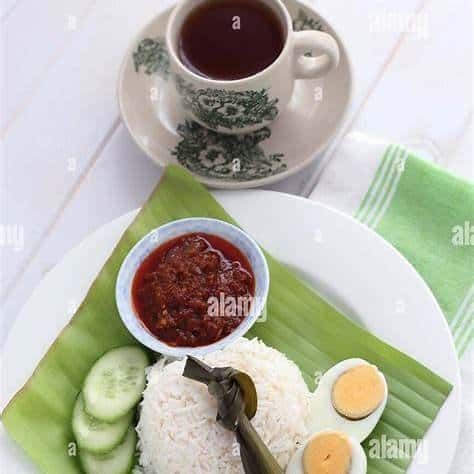
Try five or six smaller eating opportunities instead of three large plates. Begin with the protein portion, then add carbohydrate and vegetables as tolerated. Enrich meals with milk, yoghurt, egg, tofu or nut paste if these are suitable for you.
Keep easy options available for tired days. Strong cooking smells may worsen nausea, so cooler or simply prepared foods can sometimes be easier.
Fluids, fibre and bowel function
Adequate fluid supports circulation and bowel function, but some heart or kidney patients have fluid restrictions. Follow individual instructions. Constipation may improve with movement, fluids and gradual fibre intake, but certain bowel operations require temporary dietary restrictions.
Do not increase fibre aggressively after gastrointestinal surgery unless the team confirms that it is safe.
When to ask for nutrition support
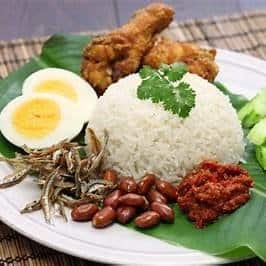
Seek advice if intake remains very low, weight is falling, swallowing is difficult or you cannot meet recovery needs with ordinary meals. Early nutrition support can be tailored to symptoms and the operation.
Contact the surgical team urgently for repeated vomiting, worsening abdominal pain or swelling, inability to keep fluids down, fever, pus, increasing wound redness or a wound that opens.
Getting appropriate care in Seremban
For an individual assessment, contact CMH Dietetics service. The appropriate specialty, test or urgency depends on your symptoms, medical history and examination.
This article provides general health information and is not a diagnosis or a substitute for personalised medical advice. Seek urgent medical care for severe or rapidly worsening symptoms.