Gallstones in Seremban: Symptoms, Tests and When Surgery May Be Needed
Gallstones are hardened pieces of material that form inside the gallbladder. Many cause no symptoms. Problems begin when a stone blocks the normal flow of bile, leading to pain or complications involving the gallbladder, bile ducts, liver or pancreas.
Patients searching for gallstone treatment in Seremban may be unsure whether recurring upper-abdominal pain is indigestion or a gallbladder attack. Because several conditions feel similar, diagnosis should be based on medical assessment and appropriate testing.
Key Takeaways
| Key point | Summary |
|---|---|
| Do all gallstones need treatment? | No. Gallstones without symptoms often do not require treatment. |
| What does a gallbladder attack feel like? | It commonly causes steady pain in the upper-right abdomen, sometimes after a heavy meal. |
| When is the problem urgent? | Prolonged pain, fever, vomiting, jaundice, dark urine or pale stools need prompt care. |
| What is the usual treatment for symptomatic stones? | Gallbladder removal is commonly recommended when attacks recur or complications occur. |
What Is the Gallbladder?
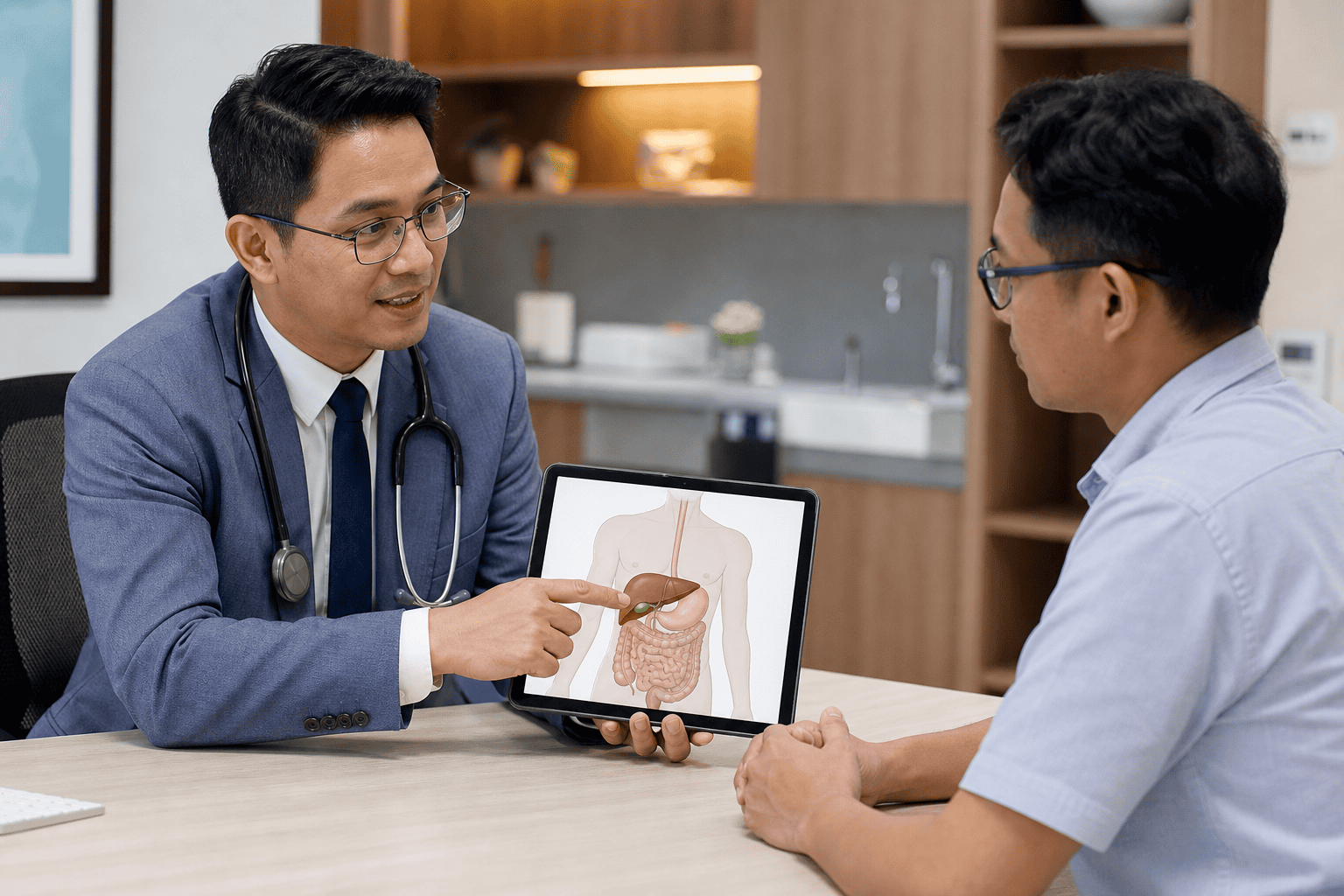
The gallbladder is a small organ beneath the liver. It stores bile, which helps digest fat. Bile travels through ducts into the small intestine. Stones may form from cholesterol, bilirubin or other material.
The US National Institute of Diabetes and Digestive and Kidney Diseases explains that silent gallstones do not cause blockages and usually do not need treatment.
Symptoms of a Gallbladder Attack
When a stone temporarily blocks a bile duct, pain may develop in the upper-right abdomen and last from minutes to several hours. It may occur after a heavy meal or at night and can spread towards the back or right shoulder. Nausea or vomiting may accompany it.
Symptoms overlap with gastritis, ulcer disease, reflux, pancreatitis, liver conditions and even some heart problems. Do not self-diagnose based on the location of pain alone.
Warning Signs That Need Prompt Care
According to NIDDK guidance on gallstone symptoms, urgent assessment is important when abdominal pain lasts several hours or occurs with nausea and vomiting, fever or chills, jaundice, tea-coloured urine or pale stools.
These features can indicate infection, persistent blockage or inflammation. Use emergency care in Seremban when pain is severe, the patient is very unwell, fainting occurs or another emergency is possible.
How Gallstones Are Diagnosed
The doctor asks about pain timing, meals, fever, jaundice, previous attacks, pregnancy, weight changes and medicines. Examination may identify tenderness in the upper abdomen.
Ultrasound is commonly used to detect gallstones. Blood tests may assess infection, inflammation, liver function and pancreatic involvement. CT, MRI-based bile-duct imaging or endoscopic procedures may be used in selected cases. CMH provides supporting imaging services and medical laboratory services, subject to the tests recommended by the treating doctor.

When Surgery May Be Recommended
The usual operation is cholecystectomy, which removes the gallbladder. It may be recommended for recurrent gallbladder attacks, inflammation, complications or stones that create a significant clinical risk.
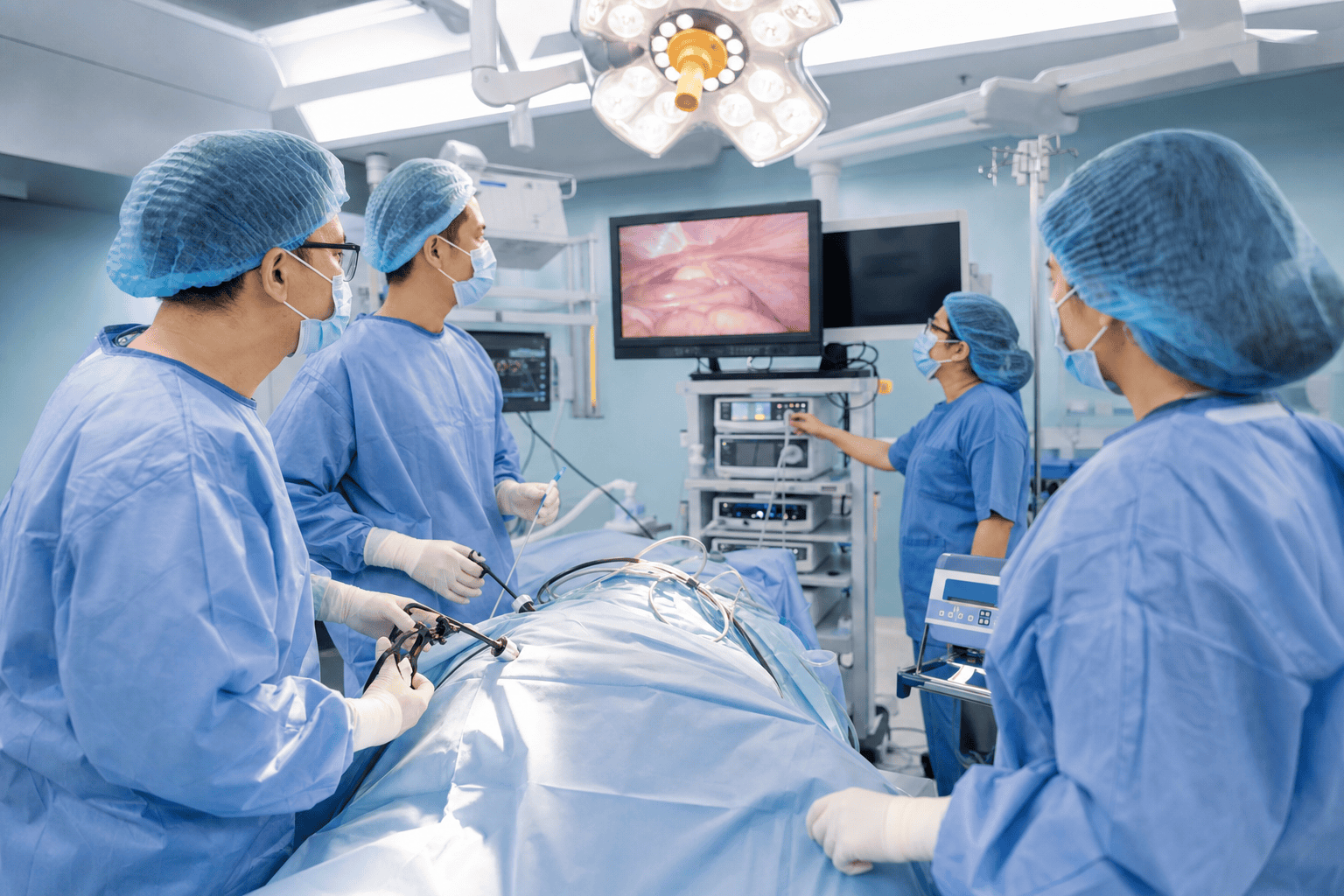
NIDDK states that surgery is the usual treatment for symptomatic gallstones. Most operations are laparoscopic, using several small incisions and a camera. Open surgery may be required when inflammation, scarring or technical difficulty makes it safer.
Can You Live Without a Gallbladder?
Yes. The liver continues to produce bile, which flows directly into the small intestine. Some patients experience temporary changes in bowel habits after surgery. Individual recovery and dietary instructions should come from the surgical team.
Is Medicine an Alternative?
Non-surgical treatment is used only in selected circumstances and may take a long time. Stones can recur. ERCP may remove a stone lodged in the common bile duct, but it does not replace gallbladder removal when the gallbladder continues to produce symptomatic stones.
Preparing for a General Surgery Consultation
Bring previous ultrasound reports, laboratory results, a medication list and details of attacks. Record where the pain starts, how long it lasts, whether it relates to food and whether fever, vomiting or jaundice occurs.
At CMH, the general and specialised surgery service in Seremban includes laparoscopic procedures and gallbladder surgery. Suitability and timing require an individual surgical assessment.
Recovery After Gallbladder Surgery
Recovery differs between laparoscopic and open surgery. Patients receive guidance on wound care, activity, diet, medication and warning signs. Return to work depends on the operation, job demands and individual recovery.
Seek medical advice for worsening abdominal pain, persistent vomiting, fever, wound redness or drainage, jaundice, breathing difficulty or other concerning symptoms.
Frequently Asked Questions
Are gallstones caused by eating fatty food?
Diet can influence risk, but gallstones have multiple causes. A fatty meal may trigger symptoms in someone who already has stones.
Can gallstones disappear naturally?
Stones usually remain. Silent stones may simply be observed, while symptomatic stones require review.
Does every attack mean emergency surgery?
Not always. The urgency depends on pain, infection, blockage, complications and overall condition.
What test confirms gallstones?
Ultrasound is commonly used, supported by blood tests and other imaging when needed.
Is laparoscopic surgery always possible?
It is common, but the surgeon may recommend or convert to open surgery when that approach is safer.
Can gallstones return after gallbladder removal?
Gallbladder stones cannot return because the organ is removed, although uncommon bile-duct stones can still occur.
Conclusion
Gallstones do not always cause symptoms, but recurring attacks, fever, jaundice or persistent vomiting require medical assessment. Ultrasound and blood tests guide diagnosis. Symptomatic gallstones are commonly treated with gallbladder removal after surgical consultation. CMH Specialist Hospital provides general surgery, imaging, laboratory and emergency services in Seremban.
This article provides general information and does not replace personal medical advice, diagnosis or treatment.