Acute limb ischaemia means that blood flow to an arm or leg has suddenly fallen. A clot, embolus or abrupt blockage can deprive tissue of oxygen. Without rapid assessment and treatment, nerves, muscles and the limb itself may be permanently damaged.
This is not the same as gradually developing leg discomfort during walking. Sudden severe symptoms—especially a cold, pale, numb or weak limb—require emergency care.

Key takeaways
- Sudden limb pain with pallor, coldness, numbness or weakness is an emergency.
- Do not massage the limb, apply tight compression or wait for a routine clinic visit.
- Tell emergency staff when symptoms began and whether you use blood thinners.
- Fast treatment aims to restore blood flow and protect tissue.
The six warning signs
Clinicians often describe six Ps: pain, pallor, pulselessness, paraesthesia, paralysis and poikilothermia, meaning unusual coldness. A patient may not have every sign, and a pulse can be difficult to assess without equipment.
Numbness or loss of movement suggests threatened nerves and muscles. These late features make immediate assessment especially important.

Why it can happen
Possible causes include a clot forming in a narrowed artery, a clot travelling from the heart, blockage of a previous bypass or stent, injury, or separation of layers within an artery. Heart-rhythm disorders and established vascular disease can increase risk.
Only urgent examination and imaging can establish the cause. The symptoms should not be self-diagnosed as a cramp or muscle strain.
What to do immediately
Seek emergency medical help. Keep the limb in a neutral, comfortable position and avoid food or drink until medical staff advise, because an urgent procedure may be needed. Bring a medicines list and state the exact time the limb last felt normal.
Do not walk repeatedly to “test” the leg, massage it or use tight bandages. Do not take extra anticoagulant medicine unless instructed by a clinician.
How doctors assess the limb
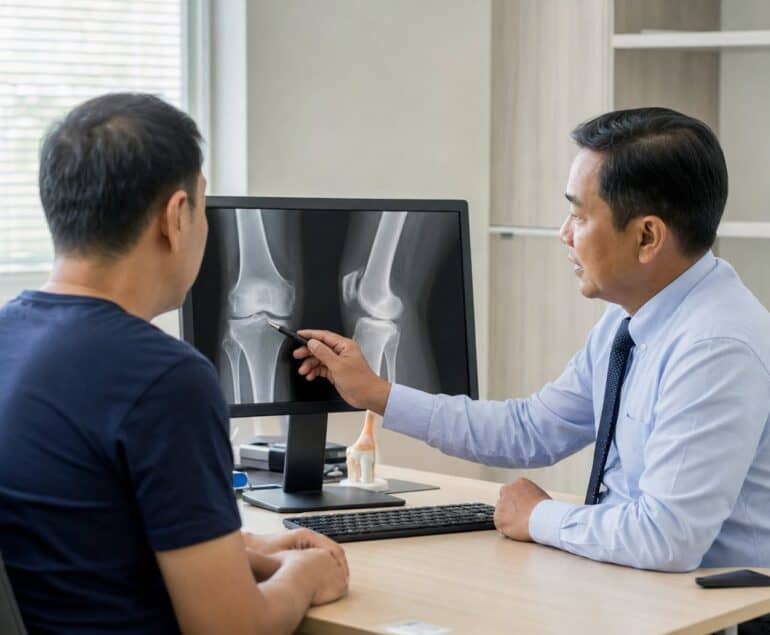
Assessment may include comparing colour and temperature, checking movement and sensation, feeling pulses and using a handheld Doppler. CT angiography, catheter angiography or other imaging may be required to locate the blockage.
Treatment depends on how threatened the limb is and may involve anticoagulation, clot removal, catheter treatment, angioplasty, stenting or surgery.
Getting appropriate care in Seremban
For an individual assessment, contact CMH Vascular Surgery service. The appropriate specialty, test or urgency depends on your symptoms, medical history and examination.
This article provides general health information and is not a diagnosis or a substitute for personalised medical advice. Seek urgent medical care for severe or rapidly worsening symptoms.