Dietary fibre is found in plant foods such as vegetables, fruit, beans, lentils, whole grains, nuts and seeds. It supports bowel regularity and is associated with long-term health benefits, but suddenly doubling fibre can cause bloating, wind or discomfort.
A safer approach is to increase variety and portions gradually while drinking enough fluid—unless a clinician has prescribed a fluid restriction. Some bowel conditions and recent operations require modified or lower-fibre diets, so general advice is not suitable for everyone.
Key takeaways
- Increase fibre over days or weeks rather than making one large change.
- Use several sources: vegetables, fruit, pulses and whole grains.
- Pair higher fibre with appropriate fluid and regular movement.
- Ask for individual advice if you have bowel narrowing, severe symptoms or recent gastrointestinal surgery.
Malaysian foods that contribute fibre
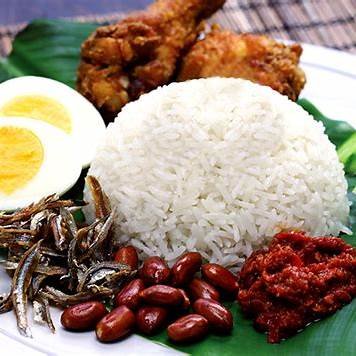
Useful choices include oats, brown rice, wholemeal bread, dhal, chickpeas, red beans, tempeh, okra, long beans, leafy vegetables, guava, papaya, pear, nuts and seeds. Portion and preparation matter; a food does not need to be imported or expensive to contribute.
Keep edible skins when safe and acceptable, and include vegetables in noodles, soups, curries and mixed dishes. Choose whole fruit more often than strained juice.
A gradual three-step method
First, add one extra vegetable portion to a main meal. Next, replace one refined grain serving with a wholegrain option several times a week. Then add pulses such as dhal or chickpeas in small portions and increase according to tolerance.
If bloating occurs, reduce the latest change and progress more slowly. Different fibre sources affect people differently.
Fluid and movement
Fibre absorbs water. Increasing fibre without suitable fluid can worsen constipation in some people. Sip water across the day and stay physically active within your ability. People with heart failure, kidney disease or another fluid restriction should follow their prescribed allowance.
Persistent constipation may have causes beyond diet, including medicines or medical conditions.

When high fibre may not be appropriate
A temporary low-fibre plan may be used for bowel obstruction risk, certain inflammatory bowel problems, severe diarrhoea or after some operations. Seek assessment for blood in the stool, unexplained weight loss, persistent vomiting, severe abdominal pain or a major change in bowel habit.
A dietitian can help increase fibre without worsening symptoms and can adapt choices for diabetes, kidney disease or food intolerance.
Getting appropriate care in Seremban
For an individual assessment, contact CMH Dietetics service. The appropriate specialty, test or urgency depends on your symptoms, medical history and examination.
This article provides general health information and is not a diagnosis or a substitute for personalised medical advice. Seek urgent medical care for severe or rapidly worsening symptoms.