Sports Injuries in Seremban: Sprain, Meniscus or ACL Tear?
A sudden twist on a badminton court, awkward football tackle or running injury can affect different structures even when the pain seems similar. A sprain involves a ligament, a strain involves muscle or tendon, a meniscus tear affects knee cartilage and an ACL injury affects a major stabilising ligament.
Correct identification matters. Returning to sport too early can prolong symptoms or expose an unstable joint to another injury. Patients looking for a sports injury specialist in Seremban should focus on diagnosis, function and a safe return plan rather than relying only on pain severity.

Key Takeaways
| Key Point | Summary |
|---|---|
| What is a sprain? | A sprain stretches or tears a ligament; severity ranges from mild fibre injury to complete rupture. |
| What suggests a meniscus tear? | Joint-line pain, swelling, catching, locking or giving way can occur, especially after twisting. |
| What suggests ACL injury? | A pop, rapid swelling and instability after pivoting or landing may raise suspicion. |
| Should every injury be scanned? | No. Examination guides whether X-ray, MRI or another test is useful. |
| Which pillar should this support? | Link to CMH’s orthopaedic services. |
Sprain Versus Strain
A ligament connects bone to bone and supports joint stability. A tendon connects muscle to bone. The AAOS guide to soft-tissue injuries distinguishes sprains from strains and notes that acute injuries may follow a fall, twist or blow, while overuse injuries develop gradually.
Mild sprains may cause tenderness and limited swelling. More severe injuries can produce bruising, instability and difficulty bearing weight. A strain often causes pain, spasm, weakness or cramping in the affected muscle-tendon unit.
Meniscus Tears
The menisci help distribute weight across the knee. A sharp pivot can tear a healthy meniscus, while age-related changes may make it vulnerable during ordinary movement. Symptoms can include stiffness, swelling, locking, catching, giving way and reduced movement. AAOS explains that MRI is commonly used to diagnose acute meniscus tears, while X-rays are useful for other causes of knee pain rather than directly showing the tear.
ACL Injuries
The ACL helps control forward movement and rotation of the knee. Injury often occurs during rapid direction change, landing or collision. Some patients hear or feel a pop and develop swelling within hours. The knee may feel unreliable during turning or descending stairs.
Not every ACL injury requires the same treatment. Age, sport, instability, additional meniscus injury and the patient’s goals influence whether rehabilitation alone or reconstruction is considered. The AAOS plain-language ACL guideline emphasises that associated meniscus, cartilage or multi-ligament injuries can affect planning.
Other Common Sports Injuries
Ankle sprains, Achilles-tendon injuries, shoulder dislocations, rotator-cuff problems, muscle strains and stress fractures are also common. Overuse pain usually builds gradually and may reflect training-load increases, technique, footwear, recovery or underlying biomechanics.
What to Do Immediately
Stop the activity if the joint is unstable, pain is severe or normal movement is impossible. Protect the area, avoid repeatedly testing it and use cold therapy for short periods when appropriate. Compression and elevation may help swelling for selected soft-tissue injuries.
Do not force a deformed joint back into place. Do not massage a suspected fracture or severe acute tear. Seek emergency help after major trauma, obvious deformity, open injury, loss of circulation or inability to safely move.
When to Visit Emergency Care
Use CMH’s 24-hour emergency service when there is severe pain, major collision, deformity, suspected fracture, head or spine injury, uncontrolled bleeding, loss of sensation or a cold/pale limb.
What Happens During Assessment
The clinician asks how the injury occurred, whether a pop was felt, how quickly swelling appeared and whether the joint locks or gives way. Examination may assess tenderness, range of movement, ligament stability, muscle function and ability to bear weight.

Imaging After a Sports Injury
X-ray is often used when a fracture or dislocation is possible. MRI can show ligaments, menisci, tendons and muscle, but it should be ordered when the result is likely to change treatment. Ultrasound may help with selected superficial tendon or muscle questions.
CMH provides MRI, CT and X-ray services in Seremban, allowing imaging to be coordinated with specialist assessment.
Treatment and Rehabilitation
Many sprains and strains improve with protection, gradual loading and rehabilitation. Bracing may be used temporarily. Severe ligament injuries, repairable meniscus tears, unstable fractures and some tendon ruptures may require surgery.
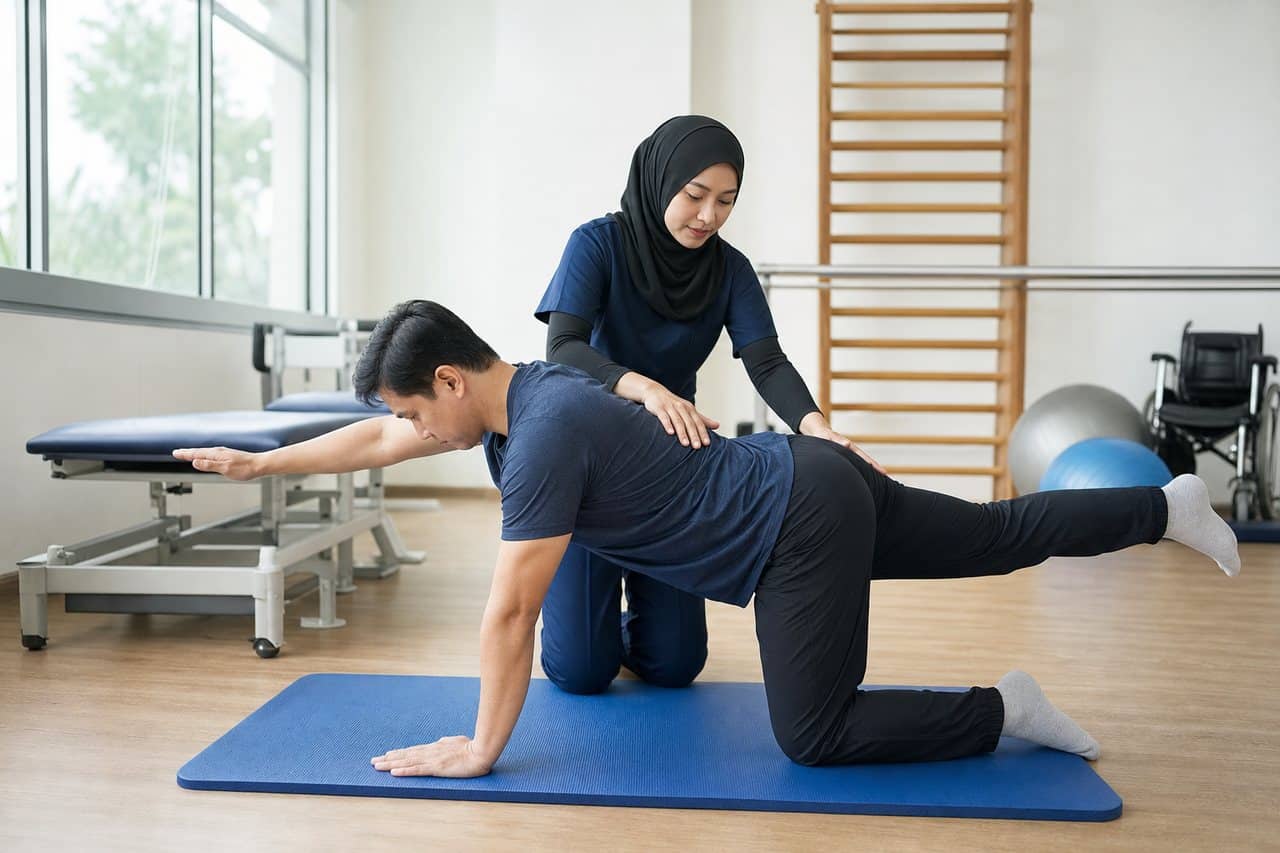
Rehabilitation should rebuild movement, strength, balance and sport-specific control. Pain relief alone does not prove that the joint is ready for competition.
Returning to Sport Safely
Return-to-sport decisions should consider swelling, full movement, strength compared with the other side, balance, confidence and ability to complete sport-specific drills. A calendar date alone is not enough.
Training should increase progressively. Sudden jumps in volume or intensity can trigger another injury. Warm-up, recovery, technique and appropriate equipment also matter.
Frequently Asked Questions
Can I continue playing if pain is mild?
Stop if the joint is unstable, swelling is increasing or technique changes because of pain. Continuing may worsen the injury.
Does a pop always mean an ACL tear?
No. Meniscus and other injuries may also produce a sound or sensation. Examination is necessary.
Can I walk with a meniscus tear?
Some people can, but walking ability does not exclude a tear. Locking, swelling or instability requires review.
When is an MRI needed?
It may be useful when examination suggests significant soft-tissue injury and the result will affect treatment.
Does every ACL tear require surgery?
No. Treatment depends on instability, activity goals, associated injuries and response to rehabilitation.
How soon can I play again?
Return depends on function and diagnosis. Follow a clinician-led progression rather than self-testing at full intensity.
Conclusion
Sports injuries can involve ligament, cartilage, tendon, muscle or bone. Early protection and an accurate assessment help prevent repeated injury and unnecessary delay. CMH Specialist Hospital offers orthopaedic assessment, imaging, physiotherapy and emergency care for patients in Seremban.
This article provides general information and does not replace personal medical advice.