Sakit Lutut & Sakit Belakang: Bila Perlu Jumpa Pakar Tulang?

Sakit Lutut & Sakit Belakang: Bila Perlu Jumpa Pakar Tulang?
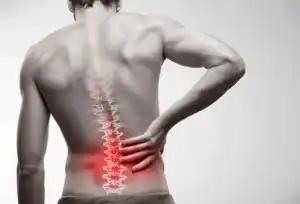
Sakit lutut dan sakit belakang adalah antara masalah kesihatan paling kerap dialami oleh rakyat Malaysia. Ada yang mengalaminya selepas bersukan, ada yang sakit secara perlahan-lahan akibat kerja harian, dan ada juga yang bangun pagi dengan rasa sengal tanpa sebab yang jelas.

Masalahnya, ramai orang terlalu lama bertahan dengan sakit ini. Ada yang sekadar makan ubat tahan sakit, sapu minyak, urut, atau berehat dengan harapan ia akan pulih sendiri. Sedangkan dalam banyak kes, sakit yang berpanjangan sebenarnya adalah tanda awal masalah tulang, sendi atau saraf yang memerlukan pemeriksaan pakar.

Artikel ini akan membantu anda memahami bila sakit lutut dan sakit belakang masih normal, dan bila anda sebenarnya perlu jumpa pakar tulang (orthopedic specialist) — khususnya bagi mereka yang tinggal di sekitar Seremban.


Kenapa sakit lutut dan sakit belakang tidak boleh dipandang ringan?

Lutut dan tulang belakang adalah struktur utama yang menyokong pergerakan badan. Setiap hari, ia menanggung:

  • berat badan
  • tekanan semasa berjalan, berdiri dan duduk
  • pergerakan berulang (naik tangga, membongkok, mengangkat barang)

Jika berlaku masalah pada struktur ini dan ia tidak dirawat dengan betul, kesannya boleh menjadi:

  • sakit kronik berpanjangan
  • pergerakan menjadi terhad
  • risiko kerosakan sendi kekal
  • keperluan rawatan lebih kompleks di masa hadapan

Inilah sebabnya penilaian awal oleh pakar tulang sangat penting dalam kes tertentu.


Sakit lutut: bila ia masih normal dan bila ia berbahaya?

Punca biasa sakit lutut

Sakit lutut boleh berpunca daripada:

  • kehausan sendi (osteoarthritis)
  • kecederaan ligamen atau meniskus
  • otot sekitar lutut yang lemah
  • berat badan berlebihan
  • kecederaan sukan

Tidak semua sakit lutut memerlukan pembedahan. Malah, kebanyakan kes boleh dirawat tanpa pembedahan jika dikesan awal.


Tanda sakit lutut yang tidak patut diabaikan

Anda patut pertimbangkan untuk berjumpa pakar tulang seremban jika:

  • sakit lutut berlarutan lebih dari 2–3 minggu
  • lutut sering bengkak atau rasa panas
  • lutut terasa longgar atau “give way”
  • sakit semakin teruk ketika berjalan atau naik tangga
  • lutut terkunci (tidak boleh bengkok atau lurus sepenuhnya)
  • sakit mengganggu tidur malam

Ini biasanya menandakan masalah struktur dalam sendi lutut yang perlu dinilai oleh orthopedic specialist.


Sakit belakang: bukan semua sakit adalah “otot biasa”

Ramai orang menganggap sakit belakang sebagai masalah otot semata-mata. Memang benar, sebahagian besar sakit belakang adalah disebabkan oleh:

  • salah postur
  • duduk terlalu lama
  • otot tegang atau lemah

Namun, ada juga sakit belakang yang berpunca daripada tulang belakang dan saraf.


Jenis sakit belakang yang memerlukan pemeriksaan pakar

Jumpa pakar tulang jika anda mengalami:

  • sakit belakang melebihi 3–4 minggu
  • sakit menjalar ke punggung atau kaki (sciatica)
  • kebas, mencucuk atau lemah pada kaki
  • sakit semakin teruk walaupun sudah makan ubat
  • sakit selepas jatuh atau kemalangan

Tanda AMARAN (perlu rawatan segera)

  • kaki tiba-tiba menjadi lemah
  • tidak boleh kawal kencing atau buang air besar
  • sakit belakang yang sangat kuat dan mendadak

Ini adalah tanda kecemasan dan perlu ke hospital di Seremban dengan segera.


Apa sebenarnya peranan pakar tulang?

Pakar tulang (orthopedic specialist) bukan hanya doktor pembedahan. Sebenarnya, tugas utama mereka ialah:

  • mengenal pasti punca sebenar sakit
  • menentukan sama ada rawatan tanpa pembedahan mencukupi
  • merancang rawatan paling selamat dan berkesan

Kebanyakan pesakit yang berjumpa best orthopedic doctor in Seremban tidak terus menjalani pembedahan.


Apa yang akan berlaku semasa jumpa pakar tulang?

Lawatan ke pakar tulang biasanya melibatkan:

  1. Soal jawab terperinci tentang sakit (bila bermula, apa yang buat sakit bertambah)
  2. Pemeriksaan fizikal pergerakan dan kekuatan
  3. Semakan X-ray atau MRI (jika perlu)
  4. Penjelasan diagnosis dalam bahasa mudah
  5. Pelan rawatan langkah demi langkah

Ramai pesakit berasa lega kerana akhirnya faham apa sebenarnya punca sakit, bukan sekadar makan ubat.


Rawatan biasa untuk sakit lutut & belakang (tanpa pembedahan)

Dalam banyak kes, rawatan termasuk:

  • ubat tahan sakit dan anti-radang
  • fisioterapi (physiotherapy Seremban)
  • latihan penguatan otot
  • pembetulan postur dan gaya hidup
  • suntikan sendi (jika sesuai)

Pembedahan hanya dipertimbangkan apabila:

  • rawatan biasa gagal
  • struktur sendi rosak teruk
  • fungsi harian sangat terjejas

Kenapa rawatan awal lebih baik daripada tunggu?

Menangguhkan rawatan boleh menyebabkan:

  • sakit menjadi kronik
  • otot semakin lemah
  • sendi semakin haus
  • pemulihan menjadi lebih lama
  • risiko pembedahan meningkat

Sebaliknya, rawatan awal memberi:

  • pemulihan lebih cepat
  • rawatan lebih ringkas
  • kurang risiko komplikasi
  • kualiti hidup lebih baik

Peranan fisioterapi dalam rawatan sakit tulang

Fisioterapi bukan sekadar urutan. Ia merangkumi:

  • latihan spesifik untuk lutut dan belakang
  • pembetulan biomekanik
  • pencegahan kecederaan berulang

Gabungan pakar tulang + fisioterapi memberi hasil yang jauh lebih baik berbanding rawatan sendiri tanpa panduan.


Bila masa sesuai untuk jumpa pakar tulang di Seremban?

Ringkasnya, jangan tunggu terlalu lama jika:

  • sakit tidak berkurang selepas beberapa minggu
  • sakit makin kerap atau makin kuat
  • pergerakan harian mula terjejas
  • anda terpaksa bergantung pada ubat setiap hari

Lebih awal anda dinilai oleh orthopedic specialist seremban, lebih besar peluang untuk pulih tanpa rawatan kompleks.


Kesimpulan

Sakit lutut dan sakit belakang bukan perkara remeh, terutamanya jika ia berpanjangan atau semakin teruk. Ia bukan tanda “usia meningkat” semata-mata, tetapi boleh menjadi petunjuk masalah tulang, sendi atau saraf yang memerlukan perhatian.

Berjumpa pakar tulang bukan bermakna anda pasti perlu pembedahan. Ia adalah langkah bijak untuk mendapatkan diagnosis tepat, rawatan sesuai, dan mencegah masalah menjadi lebih serius.

Jika sakit sudah mula mengganggu cara anda berjalan, bekerja, atau tidur — itu adalah isyarat badan anda untuk berhenti meneka dan mula mendapatkan penilaian yang betul.

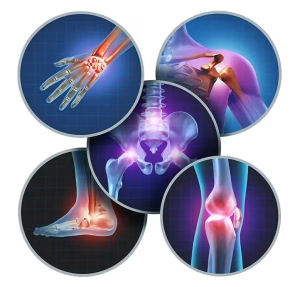
Common Orthopedic Problems: Knee Pain, Back Pain, Sports Injuries & Fractures

Common Orthopedic Problems: Knee Pain, Back Pain, Sports Injuries & Fractures

Bone, joint, and muscle problems affect people of all ages—students, working adults, athletes, and the elderly. Some conditions start suddenly after an injury, while others develop slowly over months or years. Unfortunately, many orthopedic problems are ignored or self-treated until pain becomes unbearable or movement is severely limited.

An orthopedic specialist (bone and joint doctor) is trained to diagnose and manage these conditions properly—often without surgery when treated early. Understanding the most common orthopedic problems, their warning signs, and when specialist care is needed can help prevent long-term damage and disability.

This article explains four major categories of orthopedic problems commonly seen in clinics and hospitals: knee pain, back pain, sports injuries, and fractures.


1) Knee Pain: One of the Most Common Orthopedic Complaints

Knee pain is extremely common because the knee carries body weight and absorbs impact during walking, climbing stairs, and exercise.

Common causes of knee pain

  • wear-and-tear arthritis (osteoarthritis)
  • cartilage damage (meniscus tear)
  • ligament injuries
  • muscle imbalance or weakness
  • overuse from sports or work

Knee pain may start mildly and worsen gradually, which is why many people delay seeing a doctor.

Warning signs you should not ignore

  • pain lasting more than 2–3 weeks
  • swelling that keeps coming back
  • knee feels unstable or “gives way”
  • locking or clicking with pain
  • pain affecting sleep or daily movement

Early assessment by an orthopedic specialist can often prevent further joint damage and delay or avoid surgery through targeted treatment such as physiotherapy, weight management, or injections.


2) Back Pain: When Is It More Than Muscle Strain?

Back pain affects nearly everyone at some point in life. Most cases are related to muscle strain, poor posture, or prolonged sitting. These usually improve with rest and simple treatment.

However, some back pain signals deeper problems involving the spine or nerves.

Common causes of back pain

  • muscle strain or spasm
  • poor posture and weak core muscles
  • slipped disc (disc herniation)
  • spinal degeneration
  • nerve compression (sciatica)

Red flags that need specialist evaluation

  • pain lasting more than 3–4 weeks
  • pain radiating down the leg
  • numbness or tingling in the legs
  • weakness when walking or standing
  • pain worsening despite medication

Urgent symptoms

  • sudden leg weakness
  • loss of bladder or bowel control
  • severe pain after trauma or accident

These symptoms require urgent assessment at a hospital di Seremban or by an orthopedic or spine specialist.


3) Sports Injuries: Don’t Ignore Pain That Doesn’t Heal

Sports injuries are not limited to professional athletes. Weekend runners, gym-goers, and even casual players frequently sustain injuries.

Common sports-related orthopedic injuries

  • ligament tears (ACL, ankle ligaments)
  • muscle tears or strains
  • tendon injuries (Achilles, rotator cuff)
  • cartilage injuries
  • stress fractures

Many people continue activity despite pain, believing rest alone is enough. Unfortunately, this can worsen the injury.

Signs your sports injury needs medical attention

  • pain persists after rest
  • swelling does not reduce
  • joint feels unstable
  • reduced range of motion
  • repeated injuries to the same area

Early diagnosis allows proper rehabilitation. In many cases, physiotherapy Seremban-based programs guided by an orthopedic specialist are sufficient, avoiding surgery altogether.


4) Fractures: Not All Are Obvious

A fracture is a break or crack in a bone. While some fractures cause obvious deformity, others are subtle and easily missed.

Common causes of fractures

  • falls
  • road traffic accidents
  • sports trauma
  • weakened bones (osteoporosis)

Symptoms that suggest a fracture

  • pain after injury
  • swelling and bruising
  • pain with movement or weight-bearing
  • tenderness over a specific area

Urgent fracture signs

  • visible deformity
  • bone protruding through skin
  • severe pain with inability to move
  • numbness or loss of circulation

Prompt orthopedic treatment ensures proper alignment and healing, reducing the risk of long-term deformity or weakness.


Why early orthopedic care matters

Delaying treatment for orthopedic problems can lead to:

  • chronic pain
  • joint stiffness
  • muscle weakness
  • nerve damage
  • reduced mobility
  • need for more invasive treatment later

Early intervention allows:

  • accurate diagnosis
  • targeted treatment
  • faster recovery
  • better long-term outcomes

This is why people searching for the best orthopedic doctor in Seremban are often those whose pain has already been present for too long.


How orthopedic specialists diagnose these problems

An orthopedic consultation typically includes:

  1. Detailed history (how pain started, what worsens it)
  2. Physical examination (movement, strength, stability)
  3. Imaging if needed (X-ray, MRI, ultrasound)
  4. Clear explanation of diagnosis
  5. Step-by-step treatment plan

Importantly, surgery is not the first option for most orthopedic conditions.


Treatment options: not just surgery

Most orthopedic problems are treated conservatively at first.

Non-surgical treatments include

  • medication for pain and inflammation
  • physiotherapy and rehabilitation
  • activity modification
  • weight management
  • supportive braces or splints
  • targeted injections (when appropriate)

Surgery is considered only when:

  • conservative treatment fails
  • structural damage is severe
  • function is significantly impaired

Physiotherapy: a key part of recovery

Physiotherapy plays a central role in:

  • knee pain management
  • back pain recovery
  • post-sports injury rehabilitation
  • fracture recovery after immobilization

A coordinated approach between an orthopedic specialist and physiotherapist leads to better and safer recovery.


Choosing where to get orthopedic care

Many patients prefer an orthopedic specialist Seremban based in a Seremban private hospital or well-equipped hospital di Seremban because:

  • imaging and consultation are available in one place
  • rehabilitation services are accessible
  • follow-up is structured and consistent

What matters most is not the building, but:

  • accurate diagnosis
  • clear explanation
  • personalized treatment plan

Common myths about orthopedic problems

“Pain is normal with age.”
Persistent pain is not normal and should be assessed.

“If I see a specialist, I’ll need surgery.”
Most patients do not require surgery.

“Rest alone will fix everything.”
Some conditions worsen without proper treatment.

“Painkillers are enough.”
They relieve symptoms but do not treat the cause.


Final thoughts

Knee pain, back pain, sports injuries, and fractures are common—but they should not be ignored when pain persists, worsens, or limits daily life. Early assessment by an orthopedic specialist helps identify the real cause and prevent long-term problems.

If pain affects how you walk, sleep, work, or exercise—or keeps coming back despite rest—it is time for proper evaluation, not guesswork.

If you want, I can continue with the next orthopedic cluster article, such as:

  • knee pain by age: what’s normal and what’s not
  • physiotherapy vs surgery: how doctors decide
  • X-ray vs MRI for bone and joint problems

9 Common Reasons People See a Bone & Joint Specialist (And When It’s Urgent)

9 Common Reasons People See a Bone & Joint Specialist (And When It’s Urgent)

Bone, joint, and muscle problems are among the most common reasons people seek medical care—yet they are also among the most commonly ignored. Many people tolerate pain for months, assuming it’s “normal aging,” a minor injury, or something that will eventually heal on its own. Others bounce between painkillers, massage, and rest without a clear diagnosis.

An orthopedic specialist (often called a bone and joint doctor or pakar tulang) is trained to identify the real cause of these problems and decide the safest, most effective treatment—often without surgery. Knowing when to see one (and when it’s urgent) can prevent chronic pain, disability, and long recovery periods.

Below are 9 common reasons people see a bone & joint specialist, explained in plain language, including warning signs that should not be delayed.


1) Persistent knee pain that doesn’t improve

Knee pain is one of the top reasons patients eventually see an orthopedic specialist.

Common causes include:

  • early arthritis
  • cartilage wear
  • meniscus tears
  • ligament strain or injury

When to see a specialist

  • pain lasts more than 2–3 weeks
  • pain worsens with walking, stairs, or standing up
  • knee feels unstable or “gives way”
  • swelling keeps returning

Urgent signs

  • knee locking (cannot bend or straighten)
  • sudden swelling after injury
  • inability to bear weight

Early assessment can often prevent long-term joint damage and reduce the need for surgery.


2) Back pain with nerve symptoms

Back pain is extremely common—but not all back pain is the same.

Many cases are muscular and improve with rest. However, some back pain comes from nerve compression, such as slipped discs.

When to see a specialist

  • pain lasts more than 3–4 weeks
  • pain shoots down the leg (sciatica)
  • numbness or tingling in the legs
  • pain worsens despite medication

Urgent signs

  • progressive leg weakness
  • difficulty controlling bladder or bowel
  • severe pain after trauma

These symptoms require urgent orthopedic or spine assessment.


3) Shoulder pain and restricted movement

Shoulder problems often start subtly—difficulty reaching overhead, pain when dressing, or stiffness after sleep.

Common causes:

  • rotator cuff injury
  • frozen shoulder
  • tendon inflammation

When to see a specialist

  • pain lasts more than 2 weeks
  • reduced range of motion
  • night pain affecting sleep

Urgent signs

  • sudden weakness after injury
  • inability to lift the arm
  • severe pain with swelling

Early diagnosis often allows treatment with physiotherapy and injections—avoiding surgery.


4) Sports injuries that don’t heal properly

Many people “play through pain” after sports injuries. This is risky.

Common sports injuries:

  • ligament tears (ACL, ankle ligaments)
  • muscle tears
  • tendon injuries

When to see a specialist

  • pain or swelling persists after rest
  • instability during activity
  • reduced performance

Urgent signs

  • joint instability
  • sudden swelling after injury
  • inability to continue activity

An orthopedic specialist can determine whether physiotherapy alone is enough or further treatment is needed.


5) Joint swelling, stiffness, or deformity

Not all joint pain is mechanical. Some swelling and stiffness may indicate inflammatory or autoimmune joint disease.

When to see a specialist

  • swelling lasts weeks
  • morning stiffness >30–60 minutes
  • pain affects both sides of the body

Urgent signs

  • rapidly worsening swelling
  • fever with joint pain
  • severe pain with redness and warmth

These symptoms may require urgent evaluation and referral to rheumatology.


6) Fractures and suspected bone injuries

Falls, accidents, or sports injuries may cause fractures—even if pain seems manageable.

When to see a specialist

  • pain after trauma
  • swelling and bruising
  • pain with movement or weight-bearing

Urgent signs

  • visible deformity
  • open wounds with bone exposure
  • severe pain with inability to move

Early orthopedic care ensures proper alignment and healing, reducing long-term problems.


7) Hip pain or difficulty walking

Hip problems often present as:

  • groin pain
  • limp
  • pain while standing or walking

Common causes include arthritis, fractures, or soft tissue injuries.

When to see a specialist

  • persistent hip pain
  • difficulty walking or standing
  • pain affecting daily activities

Urgent signs

  • sudden severe hip pain after a fall
  • inability to bear weight

Hip issues should not be ignored, especially in older adults.


8) Hand, wrist, or finger pain affecting daily tasks

Pain in small joints can seriously affect quality of life.

Common causes:

  • tendon inflammation
  • carpal tunnel syndrome
  • arthritis

When to see a specialist

  • pain or numbness persists
  • weakness or dropping objects
  • reduced finger movement

Urgent signs

  • sudden swelling and pain
  • loss of sensation or movement

Early treatment often prevents permanent nerve or joint damage.


9) Pain that keeps returning despite treatment

Recurring pain is a sign that the root cause has not been addressed.

When to see a specialist

  • repeated flare-ups
  • short-term relief from medication only
  • pain affecting sleep or work

An orthopedic specialist focuses on identifying the underlying problem, not just masking symptoms.


What happens when you see an orthopedic specialist?

A proper orthopedic consultation includes:

  • detailed history
  • physical examination
  • review of previous imaging
  • decision on whether X-ray, MRI, or physiotherapy is needed

Importantly, surgery is not the default option. Most conditions are treated conservatively first.


When is it urgent to seek orthopedic care?

Seek urgent care if you have:

  • sudden inability to move a joint
  • severe pain after injury
  • progressive weakness or numbness
  • loss of bladder or bowel control
  • signs of infection (fever, redness, severe swelling)

Delaying care in these situations can lead to permanent damage.


Choosing where to see a bone & joint specialist in Seremban

Many patients prefer an orthopedic specialist Seremban based at a Seremban private hospital or well-equipped hospital di Seremban because:

  • imaging and consultation are coordinated
  • physiotherapy services are available
  • follow-up is structured

What matters most is clear diagnosis, explanation, and a stepwise treatment plan.


Final thoughts

Bone and joint pain is common—but persistent or worsening pain is not normal. The earlier you understand the cause, the easier it is to treat and recover.

Seeing an orthopedic specialist is not a sign that surgery is inevitable. It is a step toward clarity, targeted treatment, and long-term joint health.

If pain is affecting how you move, sleep, or work—or if it keeps coming back—it is time for proper assessment, not guesswork.

If you want, I can continue with the next article in this orthopedic content cluster, such as:

  • physiotherapy vs surgery: how doctors decide
  • X-ray vs MRI for joint pain
  • knee pain by age: what’s normal and what’s not

A Practical Guide for Dialysis Patients: Scheduling, Diet, Fluid Control & Safety

A Practical Guide for Dialysis Patients: Scheduling, Diet, Fluid Control & Safety

Starting dialysis is not just a medical change—it is a life adjustment. Suddenly, your week revolves around treatment schedules. What you eat and drink matters more than ever. Fatigue, restrictions, and worry about complications can feel overwhelming, especially in the first few months.

For many patients and families in Seremban, the biggest struggle is not the dialysis machine itself, but how to live well around dialysis. This guide is written to help dialysis patients understand the practical, day-to-day aspects of dialysis—so life can feel more manageable, predictable, and safe.


1) Dialysis scheduling: building life around treatment (not losing your life)

Hemodialysis schedules: what to expect

Most hemodialysis patients attend treatment:

  • 3 times per week
  • about 4 hours per session

Common schedules include:

  • Monday–Wednesday–Friday
  • Tuesday–Thursday–Saturday

Dialysis centres usually offer:

  • morning slots
  • afternoon slots
  • sometimes evening slots

A well-managed dialysis centre Seremban will try to accommodate:

  • working patients
  • elderly patients
  • transport limitations

Tips to manage dialysis schedules better

  • Choose a consistent session time to stabilize sleep and energy levels
  • Avoid heavy plans on dialysis days
  • Schedule important activities on non-dialysis days
  • Inform employers early—many are supportive when informed properly

Dialysis does not mean life stops, but it does mean planning becomes essential.


2) Dialysis diet: eating smart, not starving

Diet is one of the most misunderstood parts of dialysis. Many patients think they must “eat very little” or avoid everything they enjoy. That is not true.

The goal of a dialysis diet is to:

  • reduce waste buildup between sessions
  • protect heart and blood vessels
  • maintain strength and muscle
  • prevent dangerous electrolyte imbalances

Key dietary principles for dialysis patients

Protein: yes, you still need it

Dialysis removes waste—but also removes some protein.

Good protein sources (as advised by dietitians):

  • eggs
  • chicken
  • fish
  • lean meat

Low protein intake can lead to:

  • muscle loss
  • weakness
  • poor recovery

Your nephrologist or dietitian will guide you on the right amount, not “as little as possible.”


Potassium: balance is critical

High potassium can affect the heart and become dangerous.

Foods often high in potassium:

  • bananas
  • oranges
  • potatoes
  • tomatoes
  • coconut water

This does not mean “never eat them,” but:

  • control portions
  • avoid frequent intake
  • follow dietitian advice strictly

Sudden weakness, palpitations, or numbness should never be ignored.


Phosphorus: the silent troublemaker

High phosphorus causes:

  • bone weakness
  • itching
  • blood vessel calcification

Common high-phosphorus foods:

  • dairy products (milk, cheese)
  • processed foods
  • cola drinks
  • nuts

Phosphate binders (medication) are often prescribed and must be taken correctly with meals.


3) Fluid control: the hardest habit to change

Fluid control is often the most difficult adjustment for dialysis patients.

Why fluid control matters

Excess fluid between dialysis sessions can cause:

  • shortness of breath
  • swelling in legs and face
  • high blood pressure
  • strain on the heart

During dialysis, removing too much fluid too quickly can cause:

  • dizziness
  • cramps
  • low blood pressure

Practical tips to control fluid intake

  • Use smaller cups
  • Sip slowly, not gulp
  • Rinse mouth instead of swallowing
  • Control salt intake (salt increases thirst)
  • Track daily fluid intake honestly

Ice cubes, frozen grapes, or sour candy can help reduce thirst without excess fluid.


4) Dialysis safety: protecting yourself during and between sessions

Safety is not only about what happens during dialysis—it also includes daily habits.

Vascular access care (for hemodialysis)

Your access is your lifeline.

Do:

  • keep access clean and dry
  • check for thrill (vibration) daily
  • report redness, pain, swelling immediately

Do NOT:

  • allow blood pressure checks on access arm
  • sleep on the access arm
  • carry heavy bags on that arm

A good hemodialysis Seremban centre will repeatedly educate patients on access protection.


Infection awareness

Dialysis patients have higher infection risk.

Watch for:

  • fever
  • chills
  • redness or discharge at access site
  • sudden weakness

Never ignore these signs. Early treatment prevents serious complications.


5) Fatigue and emotional health: the hidden challenges

Many dialysis patients feel:

  • tired even after adequate sleep
  • emotionally drained
  • frustrated or depressed

This is normal—but it should not be ignored.

Managing dialysis-related fatigue

  • rest after dialysis sessions
  • light physical activity on non-dialysis days
  • adequate nutrition
  • good sleep routine

Emotional well-being matters

Depression and anxiety are common but treatable.

Support may come from:

  • dialysis nurses
  • nephrologist Seremban consultations
  • family support
  • patient support groups

A high-quality best dialysis centre Seremban focuses not only on machines, but on mental and emotional care too.


6) Dialysis and work: yes, many patients still work

Many patients assume dialysis means stopping work permanently. This is not always true.

Possible work adjustments:

  • flexible hours
  • part-time schedules
  • work-from-home options
  • dialysis sessions scheduled outside work hours

Open communication with employers often leads to better understanding than expected.


7) Travel and dialysis: planning is possible

Travel is still possible with dialysis—with planning.

For hemodialysis:

  • arrange temporary dialysis slots in advance
  • coordinate through your dialysis centre

For peritoneal dialysis:

  • supplies can be delivered
  • travel-friendly options exist

Always consult your dialysis team before traveling.


8) Choosing the right dialysis centre: what really matters

When families search for the best dialysis centre Seremban, they should look beyond price and location.

Important factors include:

  • experienced dialysis nurses
  • regular nephrologist supervision
  • strict infection control
  • emergency readiness
  • patient education and support
  • consistent scheduling

A good centre treats patients with dignity, patience, and respect—not like numbers.


9) Common mistakes dialysis patients make

  • skipping dialysis sessions
  • drinking excess fluids “just this once”
  • ignoring access problems
  • stopping medications without advice
  • hiding symptoms out of fear

Small mistakes can lead to big complications. Always communicate openly with your care team.


Final thoughts

Dialysis is a journey—but it does not have to be a miserable one. With proper scheduling, sensible diet control, disciplined fluid management, and strong safety habits, many dialysis patients live meaningful, active lives.

The right dialysis centre, guided by an experienced nephrologist and supported by compassionate staff, makes a huge difference in quality of life.

If you want, I can continue with the next article in this cluster, such as:

  • how to choose the right dialysis centre for long-term care
  • early signs of kidney disease Malaysians often miss
  • dialysis diet myths vs facts

What Makes a Hospital “Good”? Patient Safety, Equipment, Specialists & Aftercare Explained

What Makes a Hospital “Good”? Patient Safety, Equipment, Specialists & Aftercare Explained
Medlads - Find Doctors with Real Patient Reviews

When people talk about a “good hospital,” the meaning can be very different from one person to another. Some say a good hospital is one that looks modern and comfortable. Others judge it by how fast they are seen, how friendly the staff are, or how famous the doctors are. In reality, a truly good hospital is not defined by one factor alone—it is the result of systems working together to keep patients safe, treated correctly, and supported even after they go home.

For families in Negeri Sembilan and Seremban, understanding what actually makes a hospital “good” helps you make better decisions—especially when choosing between clinics, public hospitals, and private hospitals. This article explains the key pillars that matter most, in a way that everyday patients can understand and apply.


1) Patient safety: the foundation of every good hospital

Patient safety is not something you see on a billboard, but it is the most important element of quality healthcare. A good hospital is one that reduces the risk of mistakes, infections, and delays—especially during busy or stressful situations.

Key signs of strong patient safety include:

  • proper patient identification before medications or procedures
  • allergy checks and medication verification
  • clear consent process before treatments
  • infection control measures such as hand hygiene and clean environments
  • structured escalation when a patient’s condition worsens

These systems protect patients whether they are admitted for surgery, visiting the emergency department, or coming in for simple blood tests. This is why safety systems matter just as much in a Seremban private hospital as they do in large public hospitals.


2) Emergency readiness: how hospitals respond when seconds matter

A hospital may look calm on a normal day, but the real test is how it handles emergencies. Good hospitals have clear emergency workflows that allow doctors and nurses to act quickly and efficiently.

Important emergency capabilities include:

  • trained emergency and triage staff
  • rapid access to imaging and laboratory tests
  • clear pathways for urgent referrals and admissions
  • availability of critical care support when needed

This is especially relevant when comparing a hospital di Seremban with smaller facilities or 24-hour clinics. While a Seremban 24 hours clinic can be very useful for mild or moderate problems at night, a hospital with strong emergency readiness is essential when symptoms are severe or life-threatening.


3) Equipment and facilities: more than just “high-tech”

Many people assume newer machines automatically mean better care. While modern equipment is important, what truly matters is how well the equipment is used and supported.

A good hospital ensures that:

  • imaging equipment such as X-ray, ultrasound, CT, or MRI is properly maintained
  • laboratory testing is accurate and timely
  • staff are trained to interpret and act on results
  • equipment is available when clinically needed, not just for display

For example, when people search for blood test Seremban or medical check up Seremban, they are not only looking for machines—but for reliable results and clear explanations that guide next steps.


4) Specialist availability: matching expertise to patient needs

Another major factor in hospital quality is access to the right specialists at the right time. A hospital does not need to have every specialty in the world—but it should have reliable access to commonly needed ones.

Specialists that many families rely on include:

  • internal medicine physicians
  • orthopaedic specialists (bone and joint issues)
  • ENT specialists (ear, nose, throat problems)
  • ophthalmologists (eye conditions)
  • cardiologists (heart conditions)
  • paediatricians and women’s health specialists

What matters is not only whether specialists exist, but:

  • how often they are available
  • whether they are on-site or visiting
  • how quickly appointments can be arranged
  • whether there is continuity of care for follow-ups

This practical access is why people often look for a top private hospital in Seremban—not because of branding, but because specialist care is easier to coordinate.


5) Coordination of care: how departments work together

One of the biggest differences between an average hospital and a good hospital is coordination. Patients rarely need just one service—they need doctors, nurses, labs, imaging, pharmacy, and sometimes physiotherapy to work together smoothly.

In a well-coordinated hospital:

  • test results are shared promptly
  • doctors communicate clearly across departments
  • treatment plans are aligned
  • discharge planning starts early

Poor coordination leads to repeated tests, confusion, delays, and frustration. Good coordination improves outcomes and patient confidence.


6) Preventive care and screening services

A good hospital does not only focus on treating illness—it also supports prevention. Preventive services help detect problems early, before symptoms become severe.

Common preventive services include:

  • structured health screening packages
  • age-based medical check-ups
  • blood tests with professional interpretation
  • lifestyle counselling or referrals when needed

For working adults and families, health screening package Seremban searches often reflect the desire for structured, time-efficient preventive care. A good hospital provides screening that is meaningful—not excessive, confusing, or poorly explained.


7) Communication: clarity reduces fear and mistakes

Clear communication is one of the most underrated aspects of hospital quality. Patients are often anxious, tired, or in pain—and unclear explanations can make everything worse.

Good communication means:

  • doctors explain diagnoses in simple language
  • patients understand why tests are ordered
  • families are updated appropriately
  • discharge instructions are clear and written

Many complaints about hospitals are not about medical skill, but about confusion and poor communication. Hospitals that prioritize explanation and education tend to build stronger trust.


8) Aftercare and follow-up: what happens after discharge matters

A hospital’s responsibility does not end when the patient leaves. In fact, many complications happen after discharge because patients are unsure what to do next.

Good aftercare includes:

  • clear medication instructions
  • warning signs that require immediate attention
  • scheduled follow-up appointments
  • referral to physiotherapy or specialist care when necessary

For elderly patients, surgical patients, or those with chronic illnesses, proper aftercare can prevent readmissions and complications.


9) Cost transparency and ethical practice

In private healthcare, cost transparency is part of quality. A good hospital is honest about pricing and helps patients understand what they are paying for.

This includes:

  • clear consultation fees
  • transparent screening packages
  • explanation of procedure and admission costs
  • honest discussion about alternatives when appropriate

Patients should feel informed, not pressured.


10) Reputation: looking beyond marketing

Reputation matters—but it should be interpreted carefully. A good reputation is usually built over time through:

  • consistent patient experiences
  • reliable outcomes
  • respectful staff behaviour
  • professional standards

Online reviews can be helpful if you look for patterns instead of isolated complaints. Repeated feedback about long delays, unclear billing, or poor communication should be taken seriously.


Final thoughts

A “good hospital” is not defined by its building, logo, or popularity. It is defined by patient safety, emergency readiness, appropriate equipment, specialist access, coordinated care, clear communication, and strong aftercare.

Whether you are comparing a top private hospital in Negeri Sembilan, evaluating a Seremban private hospital, or deciding between a clinic and hospital, focusing on these fundamentals will help you choose wisely—especially when it matters most.

If you want, I can continue the next article in this cluster, such as:

  • clinic vs hospital vs emergency: how to decide based on symptoms
  • how to choose the right health screening package
  • understanding blood test results and what they mean

Common Surgeries Malaysians Undergo: What to Expect Before, During & After

Common Surgeries Malaysians Undergo: What to Expect Before, During & After

For many Malaysians, the idea of surgery is intimidating—not because of the procedure itself, but because of uncertainty. People worry about pain, safety, recovery time, cost, and whether surgery is really necessary. This uncertainty is often what causes patients to delay seeing a surgeon, even when symptoms have been present for months.

In reality, most common surgeries are well-established, carefully planned, and performed only when truly needed. Understanding what usually happens before, during, and after surgery can remove much of the fear and help patients make informed decisions—especially when consulting a general surgeon in Seremban or elsewhere in Negeri Sembilan.

This article explains the most common surgeries Malaysians undergo, why they are done, and what patients can realistically expect throughout the process.


What types of surgery do general surgeons commonly perform?

General surgeons manage a wide range of conditions involving the abdomen, digestive system, skin, and soft tissues. Contrary to popular belief, they do not rush patients into surgery. In fact, surgery is often recommended only after careful assessment and discussion.

Common surgeries performed by general surgeons include:

  • appendectomy (appendix removal)
  • gallbladder surgery
  • hernia repair
  • removal of lumps or cysts
  • abscess drainage
  • bowel-related procedures

These procedures are among the most frequently performed in hospitals across Malaysia, including hospital swasta Seremban and public hospitals alike.


1) Appendectomy (Appendix Surgery)

Why it’s done

Appendicitis occurs when the appendix becomes inflamed or infected. It usually presents as abdominal pain that worsens over time, often starting near the navel and moving to the lower right abdomen.

Before surgery

  • blood tests and imaging (often ultrasound or CT scan)
  • assessment by a general surgeon
  • fasting for several hours

During surgery

  • commonly done using minimally invasive (laparoscopic) technique
  • surgery usually takes less than an hour

After surgery

  • hospital stay is usually short (sometimes same day or 1–2 days)
  • walking is encouraged early
  • full recovery typically within 1–2 weeks

Delaying treatment can lead to rupture and infection, which is why appendicitis is treated promptly.


2) Gallbladder Surgery (Gallstones)

Why it’s done

Gallstones can cause recurrent pain, nausea, vomiting, or infection. While some people have gallstones without symptoms, repeated attacks usually mean surgery is the safest long-term solution.

Before surgery

  • ultrasound to confirm gallstones
  • blood tests to check liver function
  • surgical consultation to plan timing

During surgery

  • usually performed laparoscopically
  • small incisions, less pain, faster recovery

After surgery

  • most patients go home within 1–2 days
  • mild dietary adjustment initially
  • normal activities resume within 1–2 weeks

Gallbladder removal is one of the most common planned surgeries in Malaysia.


3) Hernia Repair

Why it’s done

A hernia occurs when an internal organ pushes through a weak area in the muscle wall, often causing a visible lump. Hernias do not heal on their own and may worsen over time.

Before surgery

  • physical examination and imaging if needed
  • discussion about timing (urgent vs planned)

During surgery

  • open or laparoscopic approach
  • mesh may be used to strengthen the area

After surgery

  • short hospital stay
  • activity restrictions for a few weeks
  • gradual return to normal movement

Delaying hernia repair increases the risk of the hernia becoming trapped, which is an emergency.


4) Removal of Lumps, Cysts, or Swellings

Why it’s done

Not all lumps are dangerous, but some need removal due to:

  • rapid growth
  • pain or infection
  • uncertainty about diagnosis
  • cosmetic or functional concerns

Before surgery

  • clinical examination
  • imaging or biopsy if necessary

During surgery

  • often done as a day procedure
  • local or general anaesthesia depending on size and location

After surgery

  • minimal recovery time
  • wound care instructions
  • follow-up for results if biopsy was done

This is one of the most common reasons patients see a general surgeon.


5) Abscess Drainage

Why it’s done

An abscess is a pocket of infection that cannot be cured with antibiotics alone. Drainage is required to remove the pus and relieve pain.

Before surgery

  • examination and blood tests
  • imaging in deeper infections

During surgery

  • small incision to drain infection
  • sometimes done under local anaesthesia

After surgery

  • wound care and antibiotics
  • pain relief improves quickly
  • healing over days to weeks

Prompt drainage prevents infection from spreading.


What happens before surgery (the preparation phase)

Before any surgery, patients go through a preparation process that includes:

  • medical assessment and history
  • blood tests and imaging
  • fasting instructions
  • discussion of risks and benefits
  • consent after full explanation

This is also the time to ask questions about recovery, cost, and alternatives.

A good surgical consultation focuses on education and shared decision-making, not pressure.


What happens during surgery (safety and monitoring)

During surgery:

  • patients are closely monitored by anaesthesia and surgical teams
  • vital signs are continuously tracked
  • sterile techniques are strictly followed

Modern surgery prioritizes safety, pain control, and minimal invasiveness whenever possible.


What happens after surgery (recovery and aftercare)

Recovery does not end when surgery is over.

After surgery, patients receive:

  • pain management
  • wound care instructions
  • advice on activity level
  • follow-up appointments

Early movement, proper nutrition, and adherence to instructions play a major role in recovery.


Common fears about surgery (and the truth)

“Surgery is extremely painful.”
Pain is controlled with modern medications and techniques.

“Recovery will take months.”
Most common surgeries have recovery times measured in weeks, not months.

“Once I see a surgeon, I must have surgery.”
False. Surgeons recommend surgery only when necessary.

“Private hospitals rush surgery for profit.”
Ethical surgeons prioritize patient safety and long-term outcomes.


Choosing where to undergo surgery

Many patients prefer a Seremban private hospital or hospital di Seremban because:

  • access to specialists is faster
  • planned surgeries are scheduled efficiently
  • follow-up care is structured

However, the most important factor is not the building—it is the experience, communication, and judgment of the surgeon.


Final thoughts

Surgery is not something to fear when it is clearly indicated and properly planned. The most common surgeries Malaysians undergo are well-studied, safe, and effective when performed at the right time.

Understanding what to expect before, during, and after surgery allows patients to approach treatment with confidence instead of fear. If symptoms persist or worsen, early consultation with a qualified general surgeon can prevent emergencies and lead to smoother recovery.

If you want, I can continue with the next article in this cluster, such as:

  • hernia symptoms you should never ignore
  • gallstones: when surgery becomes the best option
  • abdominal pain guide: when to worry and when to wait

When Is Surgery Really Needed? Signs Your Condition Shouldn’t Be Delayed

When Is Surgery Really Needed? Signs Your Condition Shouldn’t Be Delayed

The word surgery alone is enough to make many people anxious. It often brings fear of pain, long recovery, high cost, and uncertainty. Because of this, many patients delay seeing a surgeon—even when their symptoms are getting worse. They tell themselves it’s “probably nothing,” rely on painkillers, or hope rest will solve the problem.

In reality, most surgeries are not done in a rush or without reason. Surgeons are trained to be careful decision-makers, not just operators. In fact, many conditions seen by a general surgeon do not immediately require surgery. However, there are certain warning signs where delaying surgical assessment can be dangerous.

This article explains, in plain language, when surgery is truly needed, when it can wait, and when delaying treatment may lead to serious complications—especially for patients living around Seremban and Negeri Sembilan.


What does a general surgeon actually treat?

A general surgeon does far more than just “operate.” They are trained to assess, diagnose, monitor, and decide if and when surgery is necessary.

Common conditions managed by general surgeons include:

  • abdominal pain of unclear cause
  • appendicitis
  • gallbladder disease (gallstones, infection)
  • hernias
  • bowel obstruction
  • lumps and swellings
  • infections and abscesses
  • bleeding or digestive tract problems

Many patients who search for a top general surgeon in Seremban are actually seeking clarity—not immediate surgery.


Surgery is not the first option—but it should not be delayed when needed

One common myth is that seeing a surgeon means surgery is unavoidable. This is not true.

A good general surgeon will usually:

  1. Take a detailed history
  2. Perform a physical examination
  3. Review blood tests or imaging
  4. Decide whether observation, medication, or surgery is safest

However, there are situations where waiting too long increases risk, makes surgery more complex, or turns a manageable problem into an emergency.


Key warning signs that should not be delayed

1) Persistent or worsening abdominal pain

Abdominal pain is one of the most common reasons people end up needing surgery.

You should seek urgent surgical assessment if:

  • pain lasts more than 24–48 hours and is worsening
  • pain becomes localized (for example, right lower abdomen)
  • pain is associated with fever, vomiting, or loss of appetite
  • pain wakes you from sleep
  • pain becomes severe and constant

Conditions like appendicitis, gallbladder infection, or bowel problems often start as mild pain and worsen over time. Delaying assessment can lead to rupture, infection, or sepsis.


2) Repeated vomiting or inability to keep food down

Occasional vomiting can be harmless, but persistent vomiting is not.

Seek urgent care if:

  • vomiting lasts more than a day
  • you cannot keep fluids down
  • vomiting is accompanied by severe pain
  • vomit is green, black, or bloody

These may indicate bowel obstruction, severe infection, or internal bleeding—conditions that often require surgical evaluation.


3) Fever with abdominal pain or swelling

Fever combined with pain is a red flag.

This combination may suggest:

  • infection inside the abdomen
  • abscess formation
  • inflamed gallbladder or appendix

Infections trapped inside the body often cannot be cured by antibiotics alone and may require drainage or surgery.


4) A lump that is painful, growing, or changing

Not all lumps need surgery, but some do.

See a surgeon urgently if a lump:

  • becomes painful or tender
  • grows rapidly
  • becomes red or warm
  • is associated with fever
  • suddenly becomes hard or irreducible (cannot be pushed back)

This is especially important for hernias, which can become trapped and cut off blood supply—an emergency situation.


5) Sudden severe pain after a known condition

Many people live with known issues such as gallstones or hernias and delay treatment because symptoms come and go.

Urgent assessment is needed if:

  • pain becomes suddenly severe
  • pain lasts longer than usual
  • pain no longer responds to medication

These changes often mean the condition has progressed and surgery may no longer be optional.


6) Signs of internal bleeding

Internal bleeding is a medical emergency.

Warning signs include:

  • black or tarry stools
  • blood in stool or vomit
  • unexplained weakness or dizziness
  • pale skin or fainting

These symptoms require immediate hospital assessment and often involve surgical teams.


When surgery is often planned—not rushed

Not all surgery is emergency surgery. Many procedures are planned carefully to achieve the best outcome.

Examples include:

  • elective hernia repair
  • gallbladder removal for recurrent attacks
  • removal of benign lumps
  • planned bowel procedures

Planned surgery allows:

  • proper preparation
  • lower complication risk
  • shorter recovery time

This is why early consultation with a general surgeon—even when symptoms are mild—can prevent emergency situations later.


Why delaying surgery can make outcomes worse

Delaying needed surgery can lead to:

  • infection spreading
  • organ damage
  • rupture or perforation
  • longer hospital stays
  • more complex operations
  • higher risk of complications

What could have been a simple procedure may become a major emergency operation if ignored.


Emergency vs non-emergency: knowing where to go

If symptoms are severe, sudden, or worsening:

  • go directly to a hospital di Seremban or emergency department

If symptoms are concerning but stable:

  • arrange consultation at a hospital swasta Seremban or Seremban private hospital

A Seremban 24 hours clinic may help with mild symptoms, but should not delay hospital care when red flags are present.


What happens during a surgical consultation?

A general surgical consultation usually includes:

  • detailed symptom history
  • physical examination
  • review of blood tests or scans
  • explanation of diagnosis
  • discussion of treatment options

Importantly, surgery is recommended only if benefits clearly outweigh risks.

Good surgeons explain:

  • why surgery is needed
  • what happens if surgery is delayed
  • risks and recovery expectations
  • alternative options (if any)

Common fears that cause dangerous delays

“The pain will go away.”
Sometimes it does—but sometimes it worsens silently.

“I don’t want surgery.”
Avoiding assessment does not avoid surgery; it may make it more urgent.

“I’ll wait until it’s really bad.”
By then, complications may already have started.

“I’ll just take antibiotics.”
Many surgical conditions cannot be cured with medication alone.


Final thoughts

Surgery is not something to fear—but delaying necessary surgery should be taken seriously. The goal of a general surgeon is not to operate unnecessarily, but to protect patients from complications, infections, and long-term harm.

If pain is persistent, symptoms are worsening, or warning signs appear, getting early assessment from a qualified general surgeon can make the difference between a simple treatment and a medical emergency.

If you want, I can continue the next full article in this cluster, such as:

  • common abdominal pain causes and when to worry
  • hernia symptoms you should not ignore
  • gallstones: when medication is not enough

X-Ray, MRI or Physiotherapy First? The Best Next Step for Bone & Joint Pain

X-Ray, MRI or Physiotherapy First? The Best Next Step for Bone & Joint Pain

If you’ve ever had knee pain, back pain, shoulder stiffness, or a sports injury, you’ve probably asked yourself this question:

“Do I need a scan, physiotherapy, or should I see a bone specialist first?”

This confusion is very common. Some people rush to get an MRI. Others go straight for physiotherapy. Many simply take painkillers and wait. Unfortunately, choosing the wrong next step can delay recovery, waste money, or even make the condition worse.

This article explains—clearly and simply—how doctors decide whether you need an X-ray, MRI, physiotherapy, or orthopedic specialist review, and what the smartest next step usually is for bone and joint pain.


Why bone & joint pain should not be guessed

Bone and joint pain can come from very different causes, even when the pain feels similar.

For example:

  • knee pain could be muscle strain, cartilage wear, ligament injury, or early arthritis
  • back pain could be muscle tightness, disc problem, or nerve compression
  • shoulder pain could be tendon inflammation, tear, or frozen shoulder

Treating all of these the same way is a mistake. That’s why doctors don’t choose scans or physiotherapy randomly—the cause matters more than the pain level.


Step 1: The most important step most people skip – proper assessment

Before any scan or treatment, the first and most important step is clinical assessment.

A proper assessment by a doctor (often an orthopedic specialist) includes:

  • understanding how the pain started
  • whether there was injury or trauma
  • how long the pain has lasted
  • what movements worsen or relieve it
  • whether there is swelling, weakness, numbness, or instability

This step often determines:

  • whether imaging is needed at all
  • which scan is appropriate
  • whether physiotherapy is safe to start immediately

Many people who look for the best orthopedic doctor in Seremban are actually looking for clarity, not surgery.


When is an X-ray the right first test?

What an X-ray is good for

An X-ray shows bones, alignment, and joint space. It is fast, affordable, and widely available.

Doctors usually request an X-ray when they suspect:

  • fractures or cracks
  • joint degeneration (arthritis)
  • bone alignment problems
  • long-standing joint pain
  • pain after a fall or accident

Common situations where X-ray comes first

  • knee pain in middle-aged or older adults
  • back pain with history of trauma
  • persistent joint pain lasting weeks or months
  • suspected bone injury

What X-ray cannot show well

  • ligaments and tendons
  • discs and nerves
  • muscle injuries

So if your pain is suspected to come from soft tissue, an X-ray alone may not explain everything—but it is often the first filter doctors use.


When is MRI necessary (and when it is not)?

MRI is a powerful tool—but it is often overused.

What MRI is good for

MRI shows:

  • ligaments (ACL, meniscus, rotator cuff)
  • discs and nerves
  • cartilage damage
  • soft tissue injuries

Situations where MRI is commonly needed

  • suspected ligament tear (sports injury)
  • persistent back pain with nerve symptoms
  • knee locking or instability
  • pain not improving after conservative treatment
  • surgical planning

When MRI is NOT usually the first step

  • mild or early pain
  • pain improving with rest
  • no weakness, numbness, or instability
  • pain without injury history

A good orthopedic specialist will not rush you into an MRI unless it changes management. MRI should answer a clinical question—not create anxiety from incidental findings.


Where does physiotherapy fit in?

Physiotherapy is one of the most effective treatments for bone and joint problems—but timing matters.

Physiotherapy works best when:

  • pain is muscular or postural
  • joint movement is limited but stable
  • injury is mild to moderate
  • diagnosis is reasonably clear

Physiotherapy is commonly effective for:

  • mechanical back pain
  • neck and shoulder stiffness
  • early knee pain
  • post-injury rehabilitation
  • post-surgery recovery

This is why physiotherapy Seremban searches are very common among people with recurring pain.


When physiotherapy should NOT be the first step

Starting physiotherapy blindly can worsen some conditions.

Avoid starting physiotherapy first if:

  • there is severe pain after trauma
  • joint feels unstable or “giving way”
  • there is numbness or weakness
  • pain is worsening rapidly
  • there is suspected fracture or ligament tear

In these cases, imaging or orthopedic review should come first.


The correct sequence doctors usually follow

Here is the safe and logical pathway most orthopedic specialists use:

  1. Clinical assessment
  2. X-ray (if bone/joint issue suspected)
  3. Trial of medication + physiotherapy (if appropriate)
  4. MRI only if symptoms persist or red flags exist
  5. Further intervention only if conservative treatment fails

This stepwise approach prevents:

  • unnecessary scans
  • unnecessary surgery
  • delayed diagnosis

Common mistakes patients make

Mistake 1: Doing MRI without seeing a doctor

MRI findings often show “abnormalities” that may not cause pain. This leads to fear and overtreatment.

Mistake 2: Taking painkillers long-term without diagnosis

Pain relief hides symptoms but does not fix the cause.

Mistake 3: Ignoring pain because it’s “bearable”

Many chronic joint problems start mildly and worsen silently.

Mistake 4: Assuming surgery is inevitable

Most orthopedic conditions do not require surgery when managed early.


How an orthopedic specialist decides the next step

A good orthopedic specialist seremban-based doctor will ask:

  • Does this pain affect function?
  • Is there structural damage?
  • Is conservative treatment safe?
  • Will imaging change treatment?
  • What is the least invasive effective option?

This decision-making skill—not just technical ability—is what people usually mean when they search for the best orthopedic doctor in Seremban.


Choosing where to get assessed

For smooth evaluation, many patients prefer a Seremban private hospital or well-equipped hospital di Seremban because:

  • consultation, imaging, and physiotherapy are coordinated
  • results are faster
  • follow-up is structured
  • referrals are seamless

This integrated approach reduces delays and confusion.


Warning signs you should not ignore

Seek orthopedic review urgently if you have:

  • inability to bear weight
  • sudden weakness or numbness
  • loss of bladder or bowel control
  • severe pain after injury
  • progressive worsening pain

These are not “wait and see” situations.


Final thoughts

The right next step for bone and joint pain is not always a scan or physiotherapy. It is proper assessment, followed by the right investigation at the right time.

X-rays are useful for bones.
MRI is powerful but selective.
Physiotherapy is effective—but only when used appropriately.

If pain is persistent, worsening, or affecting your daily life, getting guidance from a qualified orthopedic specialist early can save months of discomfort and unnecessary expense.

If you want, I can continue the next article in this cluster:

  • Physiotherapy vs surgery: how doctors decide
  • Knee pain by age: what is normal and what is not
  • Back pain red flags you should never ignore

Knee Pain, Back Pain, Sports Injury: When You Should See a Bone & Joint Specialist

Knee Pain, Back Pain, Sports Injury: When You Should See a Bone & Joint Specialist
The Top 5 Causes of Knee Pain: What You Need to Know

Almost everyone experiences knee pain, back pain, or muscle injury at some point in life. Sometimes it happens after exercise. Sometimes it comes slowly after years of work, driving, sitting, or lifting. And often, people delay getting help because they assume it will “go away on its own.”

While many bone and joint problems are harmless and temporary, some conditions need proper assessment by an orthopedic specialist—also known as a bone and joint doctor or pakar tulang. Knowing when to wait, when to rest, and when to seek specialist care can prevent long-term damage, chronic pain, and unnecessary suffering.

This article explains, in simple terms, when knee pain, back pain, or sports injuries should be checked by a bone and joint specialist—especially for people living around Seremban.


What does a bone & joint (orthopedic) specialist actually treat?

An orthopedic specialist focuses on conditions involving:

  • bones
  • joints (knees, shoulders, hips, ankles)
  • muscles and tendons
  • ligaments
  • spine (neck and back)

Common problems treated include:

  • knee pain and arthritis
  • slipped disc and back pain
  • shoulder pain and frozen shoulder
  • sports injuries (ligament tears, muscle strains)
  • fractures and joint injuries
  • nerve compression related to bones or spine

Seeing the right specialist early often means faster recovery and fewer complications.


Knee pain: when it’s more than “just aging”

Knee pain is one of the most common reasons people eventually see an orthopedic doctor.

Common causes of knee pain

  • early arthritis (wear and tear of cartilage)
  • ligament injuries (ACL, MCL)
  • meniscus tear
  • tendon inflammation
  • muscle imbalance or overuse

You should consider seeing a bone & joint specialist if:

  • knee pain lasts more than 2–3 weeks despite rest
  • pain worsens when walking, climbing stairs, or standing up
  • knee feels unstable, weak, or “gives way”
  • swelling keeps returning
  • knee locks or cannot fully bend/straighten
  • pain affects sleep or daily activities

Ignoring persistent knee pain can lead to worsening joint damage. Early assessment allows treatment such as physiotherapy, lifestyle modification, targeted injections, or surgery only when truly needed.


Back pain: how to know if it’s serious

Back pain is extremely common, especially among office workers, drivers, and manual laborers. Most back pain improves with rest and simple treatment—but not all.

Common causes of back pain

  • muscle strain
  • poor posture or prolonged sitting
  • slipped disc (disc herniation)
  • spinal degeneration
  • nerve compression (sciatica)

Red flags that need orthopedic or spine specialist review:

  • back pain lasting more than 3–4 weeks
  • pain shooting down the leg (especially with numbness or weakness)
  • persistent tingling or loss of sensation
  • worsening pain despite medication
  • pain associated with trauma or accident
  • difficulty controlling bladder or bowel (urgent medical attention needed)

A bone and joint specialist can determine whether your back pain is muscular, nerve-related, or structural—and guide the right treatment path instead of trial-and-error medication.


Sports injuries: why “playing through pain” is risky

Many people—especially active adults and young athletes—ignore sports injuries because they want to continue training or competing. Unfortunately, this often makes injuries worse.

Common sports-related injuries

  • ligament tears (ACL, ankle ligaments)
  • muscle strains
  • tendon injuries (Achilles, rotator cuff)
  • stress fractures
  • cartilage damage

You should not ignore sports injuries if:

  • pain does not improve after a few days of rest
  • swelling is significant or keeps recurring
  • movement becomes limited
  • you feel instability during activity
  • injury affects performance or confidence

An orthopedic specialist can assess whether imaging (X-ray, MRI) is needed and whether physiotherapy alone is sufficient—or if further intervention is required.


When physiotherapy is enough—and when it isn’t

Physiotherapy plays a major role in treating many bone and joint problems. In fact, many orthopedic treatments start with non-surgical management.

Physiotherapy is often effective for:

  • mild to moderate muscle strain
  • early joint pain
  • post-injury rehabilitation
  • posture-related back pain

However, physiotherapy alone may not be enough when:

  • there is structural damage (ligament tear, disc herniation)
  • pain is worsening instead of improving
  • weakness or nerve symptoms are present
  • joint instability continues

In these cases, an orthopedic specialist works closely with physiotherapists to ensure treatment is safe and effective. This coordinated care is commonly available in larger hospitals and private hospitals in Seremban.


What happens during a visit to a bone & joint specialist?

Many people feel nervous about seeing an orthopedic doctor, thinking surgery is inevitable. In reality, most visits focus on diagnosis and conservative treatment.

A typical consultation includes:

  1. Detailed history of pain and activity
  2. Physical examination of joints, muscles, and movement
  3. Review of previous scans or reports (if any)
  4. Decision on whether imaging is needed (X-ray, MRI)
  5. Discussion of treatment options

Treatment plans may include:

  • medication
  • physiotherapy
  • activity modification
  • injections
  • surgery (only when clearly indicated)

A good orthopedic specialist will explain why a treatment is recommended—not just what to do.


Early treatment vs delayed treatment: why timing matters

Delaying assessment often leads to:

  • chronic pain
  • worsening joint damage
  • reduced mobility
  • longer recovery time
  • higher chance of surgery

Early assessment allows:

  • accurate diagnosis
  • targeted physiotherapy
  • prevention of further damage
  • faster return to normal activity

This is why people searching for the best orthopedic doctor in Seremban are often looking for clarity—not just pain relief.


Choosing where to see a bone & joint specialist

When deciding where to seek care, consider:

  • availability of orthopedic specialists
  • access to imaging services
  • physiotherapy support
  • clear explanation and follow-up
  • location and convenience

Many patients prefer a Seremban private hospital or well-equipped hospital di Seremban because services are centralized—consultation, imaging, and rehabilitation can happen smoothly.


Common myths about bone & joint treatment

“Pain means surgery.”
Not true. Most orthopedic conditions are treated without surgery.

“I should rest completely.”
Wrong movement advice can worsen stiffness and weakness.

“I’m too young for joint problems.”
Sports injuries and posture-related issues affect all ages.

“It will heal by itself.”
Some injuries do—but others worsen silently.


Final thoughts

Knee pain, back pain, and sports injuries are common—but they should not be ignored when persistent, worsening, or limiting your daily life. A bone and joint specialist helps you understand the real cause of your pain and choose the right treatment at the right time.

If pain is affecting how you walk, sleep, work, or exercise, that is your body asking for proper evaluation—not just painkillers.

If you want, I can continue the next article in this orthopedic cluster, such as:

  • “X-ray vs MRI: which scan do you really need for joint pain?”
  • “Physiotherapy vs surgery: how doctors decide the right treatment”

12 Things to Check Before Choosing Where to Get Treated (Facilities, Specialists, Emergency Care)

12 Things to Check Before Choosing Where to Get Treated (Facilities, Specialists, Emergency Care)

Most people don’t choose a hospital on a calm day. They choose it when someone’s in pain, when the fever won’t drop, when a parent suddenly looks weak, or when a child is coughing through the night. In those moments, the decision feels urgent—and it’s easy to pick based on what’s closest, what’s familiar, or what someone recommended in a WhatsApp group.

But here’s the thing: choosing where to get treated is not just about “big building” or “nice lobby.” It’s about safety, speed, capability, and clear follow-up. Whether you’re comparing a hospital di Seremban, thinking about hospital swasta Seremban, or simply deciding between a clinic and emergency care, a simple checklist can save you time, money, and risk.

This article gives you a practical, public-friendly 12-point checklist you can use any time—day or night.


1) Start with the right level of care: clinic, hospital, or emergency?

Before choosing a “hospital,” choose the right type of care.

A clinic is usually enough when symptoms are mild and stable:

  • flu, sore throat, mild fever
  • minor rashes
  • mild stomach upset
  • minor injuries without severe bleeding

A hospital is more appropriate when you might need:

  • imaging (X-ray, ultrasound, CT, MRI)
  • IV drip and monitoring
  • specialist assessment
  • admission for observation

Emergency care is urgent if there are red flags:

  • chest pain, sudden breathlessness, fainting
  • severe abdominal pain, repeated vomiting, vomiting blood
  • suspected stroke symptoms (face droop, arm weakness, slurred speech)
  • serious trauma, heavy bleeding, suspected fracture with deformity
  • babies/children who are lethargic, dehydrated, or struggling to breathe

If it’s late, many people search for a Seremban 24 hours clinic. That can be helpful for mild to moderate problems. But if symptoms are severe or worsening, don’t let “it’s midnight” delay proper care.


2) Does the facility match your likely needs?

Ask a basic question: If the condition gets worse, can they handle it quickly?

Key facility essentials to check:

  • emergency department (ED) or urgent care
  • operating theatre (for surgical emergencies)
  • ICU/HDU availability (for severe cases)
  • radiology/imaging services
  • laboratory services

For families, a hospital with broader services is often the safer “default choice,” especially if you’re comparing a Seremban private hospital versus smaller centres.


3) Are the right specialists available (not just “available somewhere”)?

A hospital can look complete on paper, but practical availability matters:

  • Is the specialist available daily, weekly, or by appointment only?
  • Is there coverage after-hours if an admitted patient deteriorates?
  • Are there visiting consultants who come on specific days only?

Specialist availability commonly searched in Seremban includes:

  • orthopaedics (bone & joint / pakar tulang)
  • ENT (ear, nose, throat)
  • ophthalmology (eye specialist)
  • cardiology (heart)
  • nephrology (kidney) and dialysis support
  • rheumatology (autoimmune joint disease)
  • paediatrics and O&G

Even if you’re targeting “top private hospital in Seremban,” what you really want is: the hospital that matches your condition and timing.


4) How fast can you get tests done—and results back?

Speed matters because it changes decisions.

Look for:

  • same-day blood tests
  • same-day X-ray/ultrasound when needed
  • turnaround time for lab reports
  • access to CT/MRI if your condition requires it

For example, people doing medical check up Seremban or health screening package Seremban often value quick results and clear explanation. A good setup is not only “tests available,” but results + interpretation in a reasonable timeframe.


5) Do they have a strong triage system?

Triage means the sickest patients are seen first. It’s not “first come first served.” A good triage system:

  • identifies danger signs quickly
  • escalates urgent cases immediately
  • reduces delays in time-sensitive conditions

This matters in both public and private settings. A well-run emergency workflow can be the difference between quick treatment and dangerous waiting.


6) What does patient safety look like in practice?

You can’t always “see” safety systems, but you can observe clues:

  • staff confirm your identity before procedures/medications
  • clear allergy checks
  • proper hand hygiene stations and usage
  • safe patient flow (especially during outbreaks)
  • clear consent process before procedures

A hospital that takes small safety steps seriously is more likely to handle big things well too.


7) Cost transparency: do you understand what you’re paying for?

This is where many people get stressed—especially in private care.

Before tests, admission, or procedures, ask:

  • What is included in the package?
  • What is excluded?
  • Are specialist fees separate?
  • Is there a deposit? How much?
  • If admitted, what ward class and cost range?

For health screening packages, transparency should include:

  • exact list of blood tests and imaging
  • whether doctor consultation is included
  • whether a report explanation is included
  • whether follow-up is discounted or separate

If you’re doing blood test Seremban or any screening, a cheap package without explanation can become “expensive confusion.”


8) Insurance / medical card process: smooth or stressful?

If you use insurance, check:

  • panel status
  • pre-authorization requirements
  • what documents are needed
  • what is typically out-of-pocket (co-pay, exclusions)

A hospital that handles insurance smoothly can reduce admin headaches—especially during admissions.


9) Communication quality: do they explain clearly?

A hospital experience becomes 10x harder when communication is poor.

Signs of good communication:

  • doctors explain diagnosis and next steps in simple language
  • nurses update families appropriately
  • you receive a clear discharge summary
  • you know what symptoms require returning immediately

If you’re caring for elderly parents or children, communication is not “nice to have.” It’s safety.


10) Aftercare and follow-up: what happens after you leave?

Many complications happen after discharge—because people aren’t sure what to do next.

Check whether the hospital provides:

  • follow-up appointment scheduling
  • clear medication instructions
  • warning signs list (“return if…”)
  • referral pathways to physiotherapy, dietitian, specialist review

This is especially relevant for:

  • surgery recovery
  • fracture and joint injuries
  • chronic conditions (diabetes, hypertension, kidney disease)
  • post-hospital rehabilitation (physiotherapy Seremban searches often follow admissions)

11) Convenience that actually affects outcomes: location, access, parking

It sounds minor until it’s real life.

Consider:

  • how long it takes during peak traffic
  • how easy it is for elderly family members to enter and move around
  • parking availability (especially for repeat follow-ups)
  • wheelchair access and lifts

If follow-up is difficult, people delay visits—and health outcomes can suffer.


12) Reputation: use reviews wisely (look for patterns, not drama)

Online reviews can be useful if you read them correctly:

  • don’t focus on one extreme story
  • look for repeated themes: waiting time, staff attitude, billing clarity, cleanliness, follow-up

A hospital with consistently “clear explanations, fast process, respectful staff” is usually a safer bet than one with random spikes of complaints about billing confusion or poor communication.


A quick “best fit” guide (so you can decide faster)

If it’s a true emergency: go where emergency response is strongest and closest for your situation. Don’t delay.

If you need specialist care soon (but not emergency): choose a place with reliable appointment availability, imaging access, and clear follow-up.

If you want prevention (check-up/screening): prioritize clear packages, fast results, and doctor interpretation. This is where “medical check up Seremban” and “health screening package Seremban” content naturally supports hospital choice.

If it’s late at night: a 24-hour clinic can be fine for mild/moderate issues, but escalate to hospital if symptoms are severe or worsening.


What to prepare before you go (makes everything faster)

Bring:

  • IC/passport
  • insurance/medical card details (if any)
  • list of medications and allergies
  • past reports (blood tests, scans)
  • a short symptom timeline (start date, severity, triggers)

Final thought

The best hospital isn’t the one with the fanciest branding. It’s the one that matches your needs with the right mix of capability, safety systems, speed, and follow-up—especially when time matters.

If you want, I can write the next cluster article that naturally links from this one:

  • “Clinic vs Emergency vs Hospital: where should you go based on symptoms?” (targets hospital di Seremban + Seremban 24 hours clinic)
  • “How to choose the right health screening package” (targets health screening package Seremban + blood test Seremban)