
Common Orthopedic Problems: Knee Pain, Back Pain, Sports Injuries & Fractures
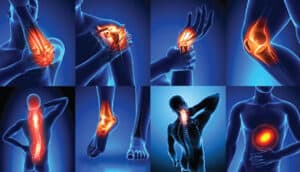
Bone, joint, and muscle problems affect people of all ages—students, working adults, athletes, and the elderly. Some conditions start suddenly after an injury, while others develop slowly over months or years. Unfortunately, many orthopedic problems are ignored or self-treated until pain becomes unbearable or movement is severely limited.
An orthopedic specialist (bone and joint doctor) is trained to diagnose and manage these conditions properly—often without surgery when treated early. Understanding the most common orthopedic problems, their warning signs, and when specialist care is needed can help prevent long-term damage and disability.
This article explains four major categories of orthopedic problems commonly seen in clinics and hospitals: knee pain, back pain, sports injuries, and fractures.
1) Knee Pain: One of the Most Common Orthopedic Complaints
Knee pain is extremely common because the knee carries body weight and absorbs impact during walking, climbing stairs, and exercise.
Common causes of knee pain
- wear-and-tear arthritis (osteoarthritis)
- cartilage damage (meniscus tear)
- ligament injuries
- muscle imbalance or weakness
- overuse from sports or work
Knee pain may start mildly and worsen gradually, which is why many people delay seeing a doctor.
Warning signs you should not ignore
- pain lasting more than 2–3 weeks
- swelling that keeps coming back
- knee feels unstable or “gives way”
- locking or clicking with pain
- pain affecting sleep or daily movement
Early assessment by an orthopedic specialist can often prevent further joint damage and delay or avoid surgery through targeted treatment such as physiotherapy, weight management, or injections.
2) Back Pain: When Is It More Than Muscle Strain?
Back pain affects nearly everyone at some point in life. Most cases are related to muscle strain, poor posture, or prolonged sitting. These usually improve with rest and simple treatment.
However, some back pain signals deeper problems involving the spine or nerves.
Common causes of back pain
- muscle strain or spasm
- poor posture and weak core muscles
- slipped disc (disc herniation)
- spinal degeneration
- nerve compression (sciatica)
Red flags that need specialist evaluation
- pain lasting more than 3–4 weeks
- pain radiating down the leg
- numbness or tingling in the legs
- weakness when walking or standing
- pain worsening despite medication
Urgent symptoms
- sudden leg weakness
- loss of bladder or bowel control
- severe pain after trauma or accident
These symptoms require urgent assessment at a hospital di Seremban or by an orthopedic or spine specialist.
3) Sports Injuries: Don’t Ignore Pain That Doesn’t Heal
Sports injuries are not limited to professional athletes. Weekend runners, gym-goers, and even casual players frequently sustain injuries.
Common sports-related orthopedic injuries
- ligament tears (ACL, ankle ligaments)
- muscle tears or strains
- tendon injuries (Achilles, rotator cuff)
- cartilage injuries
- stress fractures
Many people continue activity despite pain, believing rest alone is enough. Unfortunately, this can worsen the injury.
Signs your sports injury needs medical attention
- pain persists after rest
- swelling does not reduce
- joint feels unstable
- reduced range of motion
- repeated injuries to the same area
Early diagnosis allows proper rehabilitation. In many cases, physiotherapy Seremban-based programs guided by an orthopedic specialist are sufficient, avoiding surgery altogether.
4) Fractures: Not All Are Obvious
A fracture is a break or crack in a bone. While some fractures cause obvious deformity, others are subtle and easily missed.
Common causes of fractures
- falls
- road traffic accidents
- sports trauma
- weakened bones (osteoporosis)
Symptoms that suggest a fracture
- pain after injury
- swelling and bruising
- pain with movement or weight-bearing
- tenderness over a specific area
Urgent fracture signs
- visible deformity
- bone protruding through skin
- severe pain with inability to move
- numbness or loss of circulation
Prompt orthopedic treatment ensures proper alignment and healing, reducing the risk of long-term deformity or weakness.
Why early orthopedic care matters
Delaying treatment for orthopedic problems can lead to:
- chronic pain
- joint stiffness
- muscle weakness
- nerve damage
- reduced mobility
- need for more invasive treatment later
Early intervention allows:
- accurate diagnosis
- targeted treatment
- faster recovery
- better long-term outcomes
This is why people searching for the best orthopedic doctor in Seremban are often those whose pain has already been present for too long.
How orthopedic specialists diagnose these problems
An orthopedic consultation typically includes:
- Detailed history (how pain started, what worsens it)
- Physical examination (movement, strength, stability)
- Imaging if needed (X-ray, MRI, ultrasound)
- Clear explanation of diagnosis
- Step-by-step treatment plan
Importantly, surgery is not the first option for most orthopedic conditions.
Treatment options: not just surgery
Most orthopedic problems are treated conservatively at first.
Non-surgical treatments include
- medication for pain and inflammation
- physiotherapy and rehabilitation
- activity modification
- weight management
- supportive braces or splints
- targeted injections (when appropriate)
Surgery is considered only when:
- conservative treatment fails
- structural damage is severe
- function is significantly impaired
Physiotherapy: a key part of recovery
Physiotherapy plays a central role in:
- knee pain management
- back pain recovery
- post-sports injury rehabilitation
- fracture recovery after immobilization
A coordinated approach between an orthopedic specialist and physiotherapist leads to better and safer recovery.
Choosing where to get orthopedic care
Many patients prefer an orthopedic specialist Seremban based in a Seremban private hospital or well-equipped hospital di Seremban because:
- imaging and consultation are available in one place
- rehabilitation services are accessible
- follow-up is structured and consistent
What matters most is not the building, but:
- accurate diagnosis
- clear explanation
- personalized treatment plan
Common myths about orthopedic problems
“Pain is normal with age.”
Persistent pain is not normal and should be assessed.
“If I see a specialist, I’ll need surgery.”
Most patients do not require surgery.
“Rest alone will fix everything.”
Some conditions worsen without proper treatment.
“Painkillers are enough.”
They relieve symptoms but do not treat the cause.
Final thoughts
Knee pain, back pain, sports injuries, and fractures are common—but they should not be ignored when pain persists, worsens, or limits daily life. Early assessment by an orthopedic specialist helps identify the real cause and prevent long-term problems.
If pain affects how you walk, sleep, work, or exercise—or keeps coming back despite rest—it is time for proper evaluation, not guesswork.
If you want, I can continue with the next orthopedic cluster article, such as:
- knee pain by age: what’s normal and what’s not
- physiotherapy vs surgery: how doctors decide
- X-ray vs MRI for bone and joint problems