
9 Common Reasons People See a Bone & Joint Specialist (And When It’s Urgent)
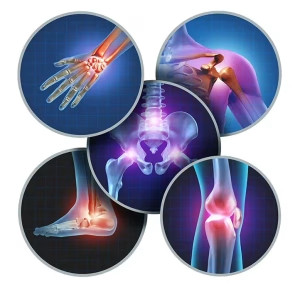
Bone, joint, and muscle problems are among the most common reasons people seek medical care—yet they are also among the most commonly ignored. Many people tolerate pain for months, assuming it’s “normal aging,” a minor injury, or something that will eventually heal on its own. Others bounce between painkillers, massage, and rest without a clear diagnosis.
An orthopedic specialist (often called a bone and joint doctor or pakar tulang) is trained to identify the real cause of these problems and decide the safest, most effective treatment—often without surgery. Knowing when to see one (and when it’s urgent) can prevent chronic pain, disability, and long recovery periods.
Below are 9 common reasons people see a bone & joint specialist, explained in plain language, including warning signs that should not be delayed.
1) Persistent knee pain that doesn’t improve
Knee pain is one of the top reasons patients eventually see an orthopedic specialist.
Common causes include:
- early arthritis
- cartilage wear
- meniscus tears
- ligament strain or injury
When to see a specialist
- pain lasts more than 2–3 weeks
- pain worsens with walking, stairs, or standing up
- knee feels unstable or “gives way”
- swelling keeps returning
Urgent signs
- knee locking (cannot bend or straighten)
- sudden swelling after injury
- inability to bear weight
Early assessment can often prevent long-term joint damage and reduce the need for surgery.
2) Back pain with nerve symptoms
Back pain is extremely common—but not all back pain is the same.
Many cases are muscular and improve with rest. However, some back pain comes from nerve compression, such as slipped discs.
When to see a specialist
- pain lasts more than 3–4 weeks
- pain shoots down the leg (sciatica)
- numbness or tingling in the legs
- pain worsens despite medication
Urgent signs
- progressive leg weakness
- difficulty controlling bladder or bowel
- severe pain after trauma
These symptoms require urgent orthopedic or spine assessment.
3) Shoulder pain and restricted movement
Shoulder problems often start subtly—difficulty reaching overhead, pain when dressing, or stiffness after sleep.
Common causes:
- rotator cuff injury
- frozen shoulder
- tendon inflammation
When to see a specialist
- pain lasts more than 2 weeks
- reduced range of motion
- night pain affecting sleep
Urgent signs
- sudden weakness after injury
- inability to lift the arm
- severe pain with swelling
Early diagnosis often allows treatment with physiotherapy and injections—avoiding surgery.
4) Sports injuries that don’t heal properly
Many people “play through pain” after sports injuries. This is risky.
Common sports injuries:
- ligament tears (ACL, ankle ligaments)
- muscle tears
- tendon injuries
When to see a specialist
- pain or swelling persists after rest
- instability during activity
- reduced performance
Urgent signs
- joint instability
- sudden swelling after injury
- inability to continue activity
An orthopedic specialist can determine whether physiotherapy alone is enough or further treatment is needed.
5) Joint swelling, stiffness, or deformity
Not all joint pain is mechanical. Some swelling and stiffness may indicate inflammatory or autoimmune joint disease.
When to see a specialist
- swelling lasts weeks
- morning stiffness >30–60 minutes
- pain affects both sides of the body
Urgent signs
- rapidly worsening swelling
- fever with joint pain
- severe pain with redness and warmth
These symptoms may require urgent evaluation and referral to rheumatology.
6) Fractures and suspected bone injuries
Falls, accidents, or sports injuries may cause fractures—even if pain seems manageable.
When to see a specialist
- pain after trauma
- swelling and bruising
- pain with movement or weight-bearing
Urgent signs
- visible deformity
- open wounds with bone exposure
- severe pain with inability to move
Early orthopedic care ensures proper alignment and healing, reducing long-term problems.
7) Hip pain or difficulty walking
Hip problems often present as:
- groin pain
- limp
- pain while standing or walking
Common causes include arthritis, fractures, or soft tissue injuries.
When to see a specialist
- persistent hip pain
- difficulty walking or standing
- pain affecting daily activities
Urgent signs
- sudden severe hip pain after a fall
- inability to bear weight
Hip issues should not be ignored, especially in older adults.
8) Hand, wrist, or finger pain affecting daily tasks
Pain in small joints can seriously affect quality of life.
Common causes:
- tendon inflammation
- carpal tunnel syndrome
- arthritis
When to see a specialist
- pain or numbness persists
- weakness or dropping objects
- reduced finger movement
Urgent signs
- sudden swelling and pain
- loss of sensation or movement
Early treatment often prevents permanent nerve or joint damage.
9) Pain that keeps returning despite treatment
Recurring pain is a sign that the root cause has not been addressed.
When to see a specialist
- repeated flare-ups
- short-term relief from medication only
- pain affecting sleep or work
An orthopedic specialist focuses on identifying the underlying problem, not just masking symptoms.
What happens when you see an orthopedic specialist?
A proper orthopedic consultation includes:
- detailed history
- physical examination
- review of previous imaging
- decision on whether X-ray, MRI, or physiotherapy is needed
Importantly, surgery is not the default option. Most conditions are treated conservatively first.
When is it urgent to seek orthopedic care?
Seek urgent care if you have:
- sudden inability to move a joint
- severe pain after injury
- progressive weakness or numbness
- loss of bladder or bowel control
- signs of infection (fever, redness, severe swelling)
Delaying care in these situations can lead to permanent damage.
Choosing where to see a bone & joint specialist in Seremban
Many patients prefer an orthopedic specialist Seremban based at a Seremban private hospital or well-equipped hospital di Seremban because:
- imaging and consultation are coordinated
- physiotherapy services are available
- follow-up is structured
What matters most is clear diagnosis, explanation, and a stepwise treatment plan.
Final thoughts
Bone and joint pain is common—but persistent or worsening pain is not normal. The earlier you understand the cause, the easier it is to treat and recover.
Seeing an orthopedic specialist is not a sign that surgery is inevitable. It is a step toward clarity, targeted treatment, and long-term joint health.
If pain is affecting how you move, sleep, or work—or if it keeps coming back—it is time for proper assessment, not guesswork.
If you want, I can continue with the next article in this orthopedic content cluster, such as:
- physiotherapy vs surgery: how doctors decide
- X-ray vs MRI for joint pain
- knee pain by age: what’s normal and what’s not