Knee Pain, Back Pain, Sports Injury: When You Should See a Bone & Joint Specialist

Knee Pain, Back Pain, Sports Injury: When You Should See a Bone & Joint Specialist
The Top 5 Causes of Knee Pain: What You Need to Know

Almost everyone experiences knee pain, back pain, or muscle injury at some point in life. Sometimes it happens after exercise. Sometimes it comes slowly after years of work, driving, sitting, or lifting. And often, people delay getting help because they assume it will “go away on its own.”

While many bone and joint problems are harmless and temporary, some conditions need proper assessment by an orthopedic specialist—also known as a bone and joint doctor or pakar tulang. Knowing when to wait, when to rest, and when to seek specialist care can prevent long-term damage, chronic pain, and unnecessary suffering.

This article explains, in simple terms, when knee pain, back pain, or sports injuries should be checked by a bone and joint specialist—especially for people living around Seremban.


What does a bone & joint (orthopedic) specialist actually treat?

An orthopedic specialist focuses on conditions involving:

  • bones
  • joints (knees, shoulders, hips, ankles)
  • muscles and tendons
  • ligaments
  • spine (neck and back)

Common problems treated include:

  • knee pain and arthritis
  • slipped disc and back pain
  • shoulder pain and frozen shoulder
  • sports injuries (ligament tears, muscle strains)
  • fractures and joint injuries
  • nerve compression related to bones or spine

Seeing the right specialist early often means faster recovery and fewer complications.


Knee pain: when it’s more than “just aging”

Knee pain is one of the most common reasons people eventually see an orthopedic doctor.

Common causes of knee pain

  • early arthritis (wear and tear of cartilage)
  • ligament injuries (ACL, MCL)
  • meniscus tear
  • tendon inflammation
  • muscle imbalance or overuse

You should consider seeing a bone & joint specialist if:

  • knee pain lasts more than 2–3 weeks despite rest
  • pain worsens when walking, climbing stairs, or standing up
  • knee feels unstable, weak, or “gives way”
  • swelling keeps returning
  • knee locks or cannot fully bend/straighten
  • pain affects sleep or daily activities

Ignoring persistent knee pain can lead to worsening joint damage. Early assessment allows treatment such as physiotherapy, lifestyle modification, targeted injections, or surgery only when truly needed.


Back pain: how to know if it’s serious

Back pain is extremely common, especially among office workers, drivers, and manual laborers. Most back pain improves with rest and simple treatment—but not all.

Common causes of back pain

  • muscle strain
  • poor posture or prolonged sitting
  • slipped disc (disc herniation)
  • spinal degeneration
  • nerve compression (sciatica)

Red flags that need orthopedic or spine specialist review:

  • back pain lasting more than 3–4 weeks
  • pain shooting down the leg (especially with numbness or weakness)
  • persistent tingling or loss of sensation
  • worsening pain despite medication
  • pain associated with trauma or accident
  • difficulty controlling bladder or bowel (urgent medical attention needed)

A bone and joint specialist can determine whether your back pain is muscular, nerve-related, or structural—and guide the right treatment path instead of trial-and-error medication.


Sports injuries: why “playing through pain” is risky

Many people—especially active adults and young athletes—ignore sports injuries because they want to continue training or competing. Unfortunately, this often makes injuries worse.

Common sports-related injuries

  • ligament tears (ACL, ankle ligaments)
  • muscle strains
  • tendon injuries (Achilles, rotator cuff)
  • stress fractures
  • cartilage damage

You should not ignore sports injuries if:

  • pain does not improve after a few days of rest
  • swelling is significant or keeps recurring
  • movement becomes limited
  • you feel instability during activity
  • injury affects performance or confidence

An orthopedic specialist can assess whether imaging (X-ray, MRI) is needed and whether physiotherapy alone is sufficient—or if further intervention is required.


When physiotherapy is enough—and when it isn’t

Physiotherapy plays a major role in treating many bone and joint problems. In fact, many orthopedic treatments start with non-surgical management.

Physiotherapy is often effective for:

  • mild to moderate muscle strain
  • early joint pain
  • post-injury rehabilitation
  • posture-related back pain

However, physiotherapy alone may not be enough when:

  • there is structural damage (ligament tear, disc herniation)
  • pain is worsening instead of improving
  • weakness or nerve symptoms are present
  • joint instability continues

In these cases, an orthopedic specialist works closely with physiotherapists to ensure treatment is safe and effective. This coordinated care is commonly available in larger hospitals and private hospitals in Seremban.


What happens during a visit to a bone & joint specialist?

Many people feel nervous about seeing an orthopedic doctor, thinking surgery is inevitable. In reality, most visits focus on diagnosis and conservative treatment.

A typical consultation includes:

  1. Detailed history of pain and activity
  2. Physical examination of joints, muscles, and movement
  3. Review of previous scans or reports (if any)
  4. Decision on whether imaging is needed (X-ray, MRI)
  5. Discussion of treatment options

Treatment plans may include:

  • medication
  • physiotherapy
  • activity modification
  • injections
  • surgery (only when clearly indicated)

A good orthopedic specialist will explain why a treatment is recommended—not just what to do.


Early treatment vs delayed treatment: why timing matters

Delaying assessment often leads to:

  • chronic pain
  • worsening joint damage
  • reduced mobility
  • longer recovery time
  • higher chance of surgery

Early assessment allows:

  • accurate diagnosis
  • targeted physiotherapy
  • prevention of further damage
  • faster return to normal activity

This is why people searching for the best orthopedic doctor in Seremban are often looking for clarity—not just pain relief.


Choosing where to see a bone & joint specialist

When deciding where to seek care, consider:

  • availability of orthopedic specialists
  • access to imaging services
  • physiotherapy support
  • clear explanation and follow-up
  • location and convenience

Many patients prefer a Seremban private hospital or well-equipped hospital di Seremban because services are centralized—consultation, imaging, and rehabilitation can happen smoothly.


Common myths about bone & joint treatment

“Pain means surgery.”
Not true. Most orthopedic conditions are treated without surgery.

“I should rest completely.”
Wrong movement advice can worsen stiffness and weakness.

“I’m too young for joint problems.”
Sports injuries and posture-related issues affect all ages.

“It will heal by itself.”
Some injuries do—but others worsen silently.


Final thoughts

Knee pain, back pain, and sports injuries are common—but they should not be ignored when persistent, worsening, or limiting your daily life. A bone and joint specialist helps you understand the real cause of your pain and choose the right treatment at the right time.

If pain is affecting how you walk, sleep, work, or exercise, that is your body asking for proper evaluation—not just painkillers.

If you want, I can continue the next article in this orthopedic cluster, such as:

  • “X-ray vs MRI: which scan do you really need for joint pain?”
  • “Physiotherapy vs surgery: how doctors decide the right treatment”
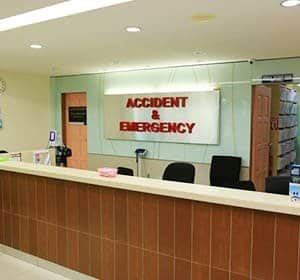
12 Things to Check Before Choosing Where to Get Treated (Facilities, Specialists, Emergency Care)

12 Things to Check Before Choosing Where to Get Treated (Facilities, Specialists, Emergency Care)

Most people don’t choose a hospital on a calm day. They choose it when someone’s in pain, when the fever won’t drop, when a parent suddenly looks weak, or when a child is coughing through the night. In those moments, the decision feels urgent—and it’s easy to pick based on what’s closest, what’s familiar, or what someone recommended in a WhatsApp group.

But here’s the thing: choosing where to get treated is not just about “big building” or “nice lobby.” It’s about safety, speed, capability, and clear follow-up. Whether you’re comparing a hospital di Seremban, thinking about hospital swasta Seremban, or simply deciding between a clinic and emergency care, a simple checklist can save you time, money, and risk.

This article gives you a practical, public-friendly 12-point checklist you can use any time—day or night.


1) Start with the right level of care: clinic, hospital, or emergency?

Before choosing a “hospital,” choose the right type of care.

A clinic is usually enough when symptoms are mild and stable:

  • flu, sore throat, mild fever
  • minor rashes
  • mild stomach upset
  • minor injuries without severe bleeding

A hospital is more appropriate when you might need:

  • imaging (X-ray, ultrasound, CT, MRI)
  • IV drip and monitoring
  • specialist assessment
  • admission for observation

Emergency care is urgent if there are red flags:

  • chest pain, sudden breathlessness, fainting
  • severe abdominal pain, repeated vomiting, vomiting blood
  • suspected stroke symptoms (face droop, arm weakness, slurred speech)
  • serious trauma, heavy bleeding, suspected fracture with deformity
  • babies/children who are lethargic, dehydrated, or struggling to breathe

If it’s late, many people search for a Seremban 24 hours clinic. That can be helpful for mild to moderate problems. But if symptoms are severe or worsening, don’t let “it’s midnight” delay proper care.


2) Does the facility match your likely needs?

Ask a basic question: If the condition gets worse, can they handle it quickly?

Key facility essentials to check:

  • emergency department (ED) or urgent care
  • operating theatre (for surgical emergencies)
  • ICU/HDU availability (for severe cases)
  • radiology/imaging services
  • laboratory services

For families, a hospital with broader services is often the safer “default choice,” especially if you’re comparing a Seremban private hospital versus smaller centres.


3) Are the right specialists available (not just “available somewhere”)?

A hospital can look complete on paper, but practical availability matters:

  • Is the specialist available daily, weekly, or by appointment only?
  • Is there coverage after-hours if an admitted patient deteriorates?
  • Are there visiting consultants who come on specific days only?

Specialist availability commonly searched in Seremban includes:

  • orthopaedics (bone & joint / pakar tulang)
  • ENT (ear, nose, throat)
  • ophthalmology (eye specialist)
  • cardiology (heart)
  • nephrology (kidney) and dialysis support
  • rheumatology (autoimmune joint disease)
  • paediatrics and O&G

Even if you’re targeting “top private hospital in Seremban,” what you really want is: the hospital that matches your condition and timing.


4) How fast can you get tests done—and results back?

Speed matters because it changes decisions.

Look for:

  • same-day blood tests
  • same-day X-ray/ultrasound when needed
  • turnaround time for lab reports
  • access to CT/MRI if your condition requires it

For example, people doing medical check up Seremban or health screening package Seremban often value quick results and clear explanation. A good setup is not only “tests available,” but results + interpretation in a reasonable timeframe.


5) Do they have a strong triage system?

Triage means the sickest patients are seen first. It’s not “first come first served.” A good triage system:

  • identifies danger signs quickly
  • escalates urgent cases immediately
  • reduces delays in time-sensitive conditions

This matters in both public and private settings. A well-run emergency workflow can be the difference between quick treatment and dangerous waiting.


6) What does patient safety look like in practice?

You can’t always “see” safety systems, but you can observe clues:

  • staff confirm your identity before procedures/medications
  • clear allergy checks
  • proper hand hygiene stations and usage
  • safe patient flow (especially during outbreaks)
  • clear consent process before procedures

A hospital that takes small safety steps seriously is more likely to handle big things well too.


7) Cost transparency: do you understand what you’re paying for?

This is where many people get stressed—especially in private care.

Before tests, admission, or procedures, ask:

  • What is included in the package?
  • What is excluded?
  • Are specialist fees separate?
  • Is there a deposit? How much?
  • If admitted, what ward class and cost range?

For health screening packages, transparency should include:

  • exact list of blood tests and imaging
  • whether doctor consultation is included
  • whether a report explanation is included
  • whether follow-up is discounted or separate

If you’re doing blood test Seremban or any screening, a cheap package without explanation can become “expensive confusion.”


8) Insurance / medical card process: smooth or stressful?

If you use insurance, check:

  • panel status
  • pre-authorization requirements
  • what documents are needed
  • what is typically out-of-pocket (co-pay, exclusions)

A hospital that handles insurance smoothly can reduce admin headaches—especially during admissions.


9) Communication quality: do they explain clearly?

A hospital experience becomes 10x harder when communication is poor.

Signs of good communication:

  • doctors explain diagnosis and next steps in simple language
  • nurses update families appropriately
  • you receive a clear discharge summary
  • you know what symptoms require returning immediately

If you’re caring for elderly parents or children, communication is not “nice to have.” It’s safety.


10) Aftercare and follow-up: what happens after you leave?

Many complications happen after discharge—because people aren’t sure what to do next.

Check whether the hospital provides:

  • follow-up appointment scheduling
  • clear medication instructions
  • warning signs list (“return if…”)
  • referral pathways to physiotherapy, dietitian, specialist review

This is especially relevant for:

  • surgery recovery
  • fracture and joint injuries
  • chronic conditions (diabetes, hypertension, kidney disease)
  • post-hospital rehabilitation (physiotherapy Seremban searches often follow admissions)

11) Convenience that actually affects outcomes: location, access, parking

It sounds minor until it’s real life.

Consider:

  • how long it takes during peak traffic
  • how easy it is for elderly family members to enter and move around
  • parking availability (especially for repeat follow-ups)
  • wheelchair access and lifts

If follow-up is difficult, people delay visits—and health outcomes can suffer.


12) Reputation: use reviews wisely (look for patterns, not drama)

Online reviews can be useful if you read them correctly:

  • don’t focus on one extreme story
  • look for repeated themes: waiting time, staff attitude, billing clarity, cleanliness, follow-up

A hospital with consistently “clear explanations, fast process, respectful staff” is usually a safer bet than one with random spikes of complaints about billing confusion or poor communication.


A quick “best fit” guide (so you can decide faster)

If it’s a true emergency: go where emergency response is strongest and closest for your situation. Don’t delay.

If you need specialist care soon (but not emergency): choose a place with reliable appointment availability, imaging access, and clear follow-up.

If you want prevention (check-up/screening): prioritize clear packages, fast results, and doctor interpretation. This is where “medical check up Seremban” and “health screening package Seremban” content naturally supports hospital choice.

If it’s late at night: a 24-hour clinic can be fine for mild/moderate issues, but escalate to hospital if symptoms are severe or worsening.


What to prepare before you go (makes everything faster)

Bring:

  • IC/passport
  • insurance/medical card details (if any)
  • list of medications and allergies
  • past reports (blood tests, scans)
  • a short symptom timeline (start date, severity, triggers)

Final thought

The best hospital isn’t the one with the fanciest branding. It’s the one that matches your needs with the right mix of capability, safety systems, speed, and follow-up—especially when time matters.

If you want, I can write the next cluster article that naturally links from this one:

  • “Clinic vs Emergency vs Hospital: where should you go based on symptoms?” (targets hospital di Seremban + Seremban 24 hours clinic)
  • “How to choose the right health screening package” (targets health screening package Seremban + blood test Seremban)

Private vs Public Hospitals in Malaysia: What’s the Real Difference in Services, Waiting Time & Cost?

Private vs Public Hospitals in Malaysia: What’s the Real Difference in Services, Waiting Time & Cost?

Revived hospital going strong | The Star

When someone in the family gets sick, most Malaysians face the same decision: Do we go to a clinic, a public hospital, or a private hospital? The answer isn’t always obvious—especially when symptoms feel “not too serious,” when it’s late at night, or when you’re worried about costs.

In towns like Seremban, this decision becomes even more practical because you have multiple choices nearby. Some people prefer private hospitals for speed and comfort. Others rely on public hospitals for affordability and comprehensive care. The truth is, both play important roles. What matters most is knowing which option fits your situation—so you don’t waste time, money, or risk delaying treatment.

This article breaks down the real differences in a clear, public-friendly way: services, waiting times, costs, and how to choose based on your needs.


1) First, understand the “levels of care”: clinic vs hospital vs emergency

Before comparing private vs public, it helps to zoom out.

A clinic is usually enough for:

  • Mild fever, cough, sore throat
  • Minor skin issues, mild stomach upset
  • Simple injuries without severe bleeding or deformity
  • Medication refills and basic consultations

A hospital is better when:

  • You may need imaging (X-ray, ultrasound, CT) urgently
  • You might require admission for monitoring
  • You need specialist evaluation (orthopaedics, ENT, eye, paediatrics, cardiology, etc.)
  • Your symptoms have “red flags” or are getting worse

Emergency care is needed right away if there is:

  • Chest pain, sudden breathlessness, fainting
  • Severe abdominal pain, uncontrolled vomiting
  • Severe bleeding, serious trauma, suspected fractures
  • Stroke warning signs (face droop, arm weakness, speech problems)
  • Babies who are lethargic, dehydrated, or struggling to breathe

At night, many families start with a 24-hour clinic for mild to moderate problems—this can be a good option. But if symptoms are severe, worsening, or uncertain, going to a hospital is safer.


2) Services and facilities: where private and public differ most

Public hospitals: broad capability, essential services, complex care

Public hospitals in Malaysia often handle:

  • Higher patient volume
  • Complex emergencies and referrals
  • Large-scale specialist services
  • Comprehensive coverage for many conditions

They are the backbone of national healthcare, especially for severe and complicated cases.

Private hospitals: faster access, comfort, structured patient flow

Private hospitals often stand out in:

  • Shorter waiting times for consultations
  • Easier specialist appointments
  • Smoother scheduling for tests (blood tests, imaging, check-ups)
  • More privacy and amenities (ward options, quieter environment)

When people search for a “Seremban private hospital” or “hospital swasta Seremban,” they’re often looking for these advantages: speed, convenience, and a more comfortable patient experience.

Important note:
“More comfortable” doesn’t automatically mean “medically better for every case.” The best choice depends on urgency, condition, and what services you need.


3) Waiting time: why it feels so different

Waiting time is one of the biggest reasons people choose private care.

In public hospitals, waiting time can be longer because:

  • Patient load is high
  • Many cases are prioritized by severity
  • Specialist clinics can be fully booked weeks ahead

In private hospitals, waiting time is often shorter because:

  • Lower patient volume
  • Appointment-based flow
  • More flexible scheduling

That said, private hospitals can still get busy during peak hours or outbreaks. A practical approach is to plan non-urgent care (like medical check-ups) with appointments, and reserve emergency care choices based on severity.


4) Cost: what you’re paying for (and what surprises people)

Public hospitals: affordability as the main strength

Public care is generally far more affordable, especially for:

  • Consultations
  • Ward admissions
  • Major treatments and surgeries

This makes it essential for many families.

Private hospitals: higher cost, but more predictable “service experience”

Private care tends to cost more due to:

  • Facility and staffing structure
  • Shorter wait time and scheduling convenience
  • Room/ward options, comfort services
  • Specialist availability and private consultation flow

Common cost areas in private hospitals:

  • Consultation fees
  • Tests (blood tests, scans)
  • Admission deposits
  • Procedure fees (surgeon, anaesthetist, operating theatre, implants)
  • Medication and consumables

If you have insurance/medical card coverage, private care may be more manageable—but it’s still wise to ask what’s included and what may be out-of-pocket.

Tip: Always request a clear breakdown if you’re planning any procedure or admission.


5) Quality of care: what actually matters (beyond “private vs public”)

Many people assume private is “higher quality” and public is “lower quality.” That’s not a fair way to look at healthcare.

Quality is more about:

  • The right diagnosis and timely treatment
  • Strong safety protocols (infection control, medication safety)
  • Clear escalation pathways if a patient worsens
  • Good communication and follow-up
  • Experienced clinicians for your specific condition

You can receive excellent care in both settings. The key is choosing the right place for your situation.


6) Which should you choose? Use these real-life scenarios

Scenario A: You need fast specialist care for a non-emergency problem

Example: persistent knee pain, sinus symptoms, skin flare-ups, vision blur that isn’t sudden, recurring child allergies.

Often suitable: private hospital / specialist clinic
Why: faster appointment, smoother scheduling for scans/tests, quicker follow-up.

Scenario B: You have a potentially serious emergency

Example: chest pain, stroke symptoms, severe trauma, breathing difficulty.

Priority: go where emergency response is strongest and fastest for your location.
Don’t delay based on “which is cheaper.” In emergencies, time matters.

Scenario C: You want prevention (screening and check-ups)

If your goal is prevention rather than treatment, many people prefer private options because:

  • packages are clearly listed
  • blood tests and imaging can be done quickly
  • results often come with consultation and explanation

This is where searches like “medical check up Seremban” or “health screening package Seremban” naturally come in—because the experience is structured and appointment-friendly.

Scenario D: You’re managing chronic conditions

For diabetes, hypertension, cholesterol, kidney disease, thyroid problems:

  • Public settings can provide strong long-term management and affordability
  • Private settings can be helpful for quicker specialist reviews, second opinions, and expedited testing

Many families use a mix depending on budget and urgency.


7) Clinic vs hospital in Seremban: a quick decision guide

If you’re unsure where to go, use this simple rule:

Go to a clinic when symptoms are mild and stable.
Go to a hospital when you might need tests, admission, or specialist care.
Go to emergency immediately when there are red flags or severe symptoms.

And if it’s after hours, a 24-hour clinic can be useful—but if symptoms feel serious, don’t let “it’s late” become the reason you delay care.


8) What to prepare before you go (saves time anywhere)

Bring:

  • IC/passport
  • insurance/medical card details (if any)
  • list of current medications and allergies
  • past reports (blood tests, scans)
  • a short symptom timeline (when it started, what changed, severity)

This helps doctors make faster, safer decisions.


Bottom line

Public hospitals and private hospitals aren’t enemies—they’re two pillars that serve different needs.

  • Choose public when affordability and broad coverage matter, especially for complex care.
  • Choose private when speed, convenience, comfort, and faster access to scheduled services matter.
  • Choose based on symptoms, not assumptions—especially when it’s urgent.

If you want, I can continue the next cluster article (also ~1000 words) targeting either:

  • medical check up seremban (how to choose tests + what results mean), or
  • seremban 24 hours clinic (what cases are suitable vs when to go emergency).